
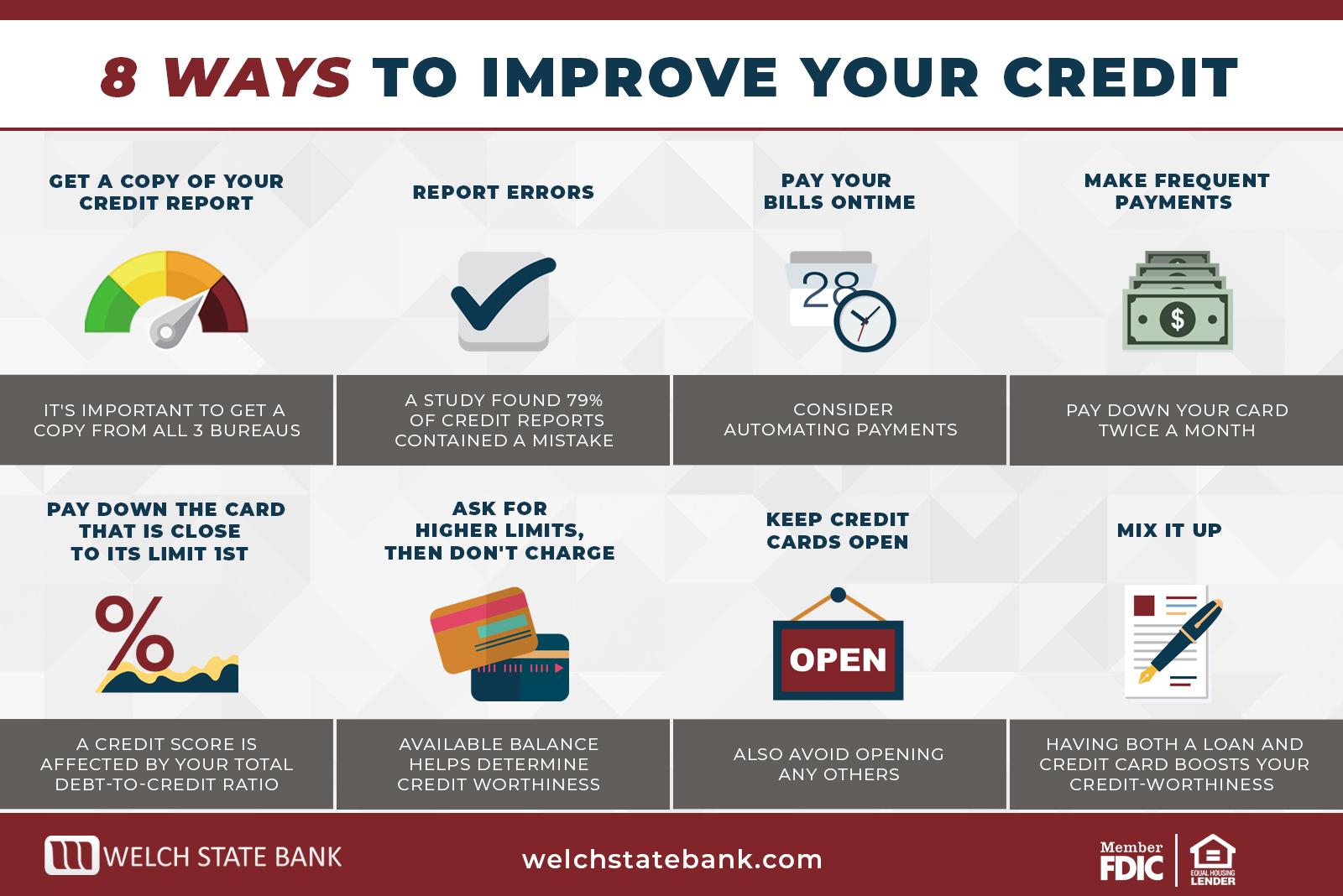
Understanding the Credit Score Game: Credit Cards as a Tool
Your credit score is a three-digit number that lenders use to determine your creditworthiness. It significantly impacts your ability to get approved for loans, mortgages, and even rental apartments. A good credit score unlocks better interest rates and financial opportunities. While it might seem daunting, credit cards, when used responsibly, can be powerful tools for improving your credit score.
The Key Factors Influencing Your Credit Score
Before diving into how credit cards can help, let's understand the main factors that affect your credit score. These are generally consistent across different credit scoring models like FICO and VantageScore:
- Payment History (35%): This is the most important factor. Making on-time payments demonstrates your reliability.
- Amounts Owed (30%): This refers to the amount of debt you have relative to your credit limits (credit utilization ratio).
- Length of Credit History (15%): A longer credit history generally indicates stability and responsible credit management.
- Credit Mix (10%): Having a mix of different types of credit (credit cards, loans) can be beneficial.
- New Credit (10%): Opening too many new accounts in a short period can negatively impact your score.
Leveraging Credit Cards to Boost Your Credit Score
Now, let's explore how you can strategically use credit cards to improve your credit score based on these factors:
1. Payment History: The Foundation of a Good Credit Score
This is non-negotiable. Always, always, always pay your credit card bills on time. Even a single late payment can negatively impact your score. Set up automatic payments from your bank account to ensure you never miss a due date. If you can't afford to pay the full balance, pay at least the minimum amount due.
Pro Tip: Consider setting up payment reminders via email or text message to give yourself an extra layer of protection against late payments.
2. Credit Utilization: Keeping Balances Low
Credit utilization ratio is the amount of credit you're using compared to your total credit limit. For example, if you have a credit card with a $1,000 limit and you're carrying a balance of $300, your credit utilization ratio is 30%. Experts recommend keeping your credit utilization below 30%, and ideally below 10%, for optimal credit score improvement. This demonstrates to lenders that you're not over-reliant on credit.
How to Improve Credit Utilization:
- Pay down your balances: This is the most direct way to improve your credit utilization. Make extra payments throughout the month to lower your balance before the statement closing date.
- Increase your credit limit: If you're confident in your ability to manage the increased credit line responsibly, requesting a credit limit increase can lower your credit utilization ratio without requiring you to spend less. However, be mindful of the potential temptation to overspend.
- Open a new credit card (carefully): Opening a new credit card increases your overall available credit, which can also lower your credit utilization ratio. However, avoid opening too many accounts at once, as this can negatively affect the "New Credit" factor.
Understanding Statement Closing Dates: The statement closing date is the date your credit card issuer reports your balance to the credit bureaus. Aim to have your balance as low as possible on this date to maximize the positive impact on your credit score. You can usually find the statement closing date on your credit card statement or by contacting your issuer.
3. Credit History Length: Patience and Consistency are Key
You can't magically make your credit history longer overnight. This factor simply requires time and consistent responsible credit management. Keep your older credit card accounts open, even if you don't use them frequently, as long as they don't have annual fees that outweigh the benefit of maintaining a longer credit history. The longer you've been using credit responsibly, the better it reflects on your creditworthiness.
4. Credit Mix: Diversify Your Credit Portfolio (Gradually)
Having a mix of different types of credit, such as credit cards, installment loans (e.g., car loan, student loan), and mortgages, can demonstrate your ability to manage different types of debt. However, don't take out loans just for the sake of improving your credit mix. Focus on managing your existing credit responsibly. As you naturally acquire different types of credit over time, your credit mix will diversify organically.
5. New Credit: Avoid Applying for Too Many Cards at Once
Each time you apply for a credit card, the lender performs a "hard inquiry" on your credit report. Too many hard inquiries in a short period can negatively impact your credit score. Be selective when applying for new credit cards and avoid applying for multiple cards at once. Space out your applications by at least a few months.
Choosing the Right Credit Card for Credit Building
Not all credit cards are created equal when it comes to building credit. Here's what to look for:
Secured Credit Cards: A Great Option for Beginners
If you have a limited or poor credit history, a secured credit card can be an excellent starting point. Secured credit cards require you to make a security deposit, which serves as collateral. The credit limit is typically equal to the amount of the deposit. By making on-time payments, you can gradually build your credit score and eventually qualify for an unsecured credit card.
Unsecured Credit Cards for Fair or Good Credit
If you already have some credit history, you may qualify for an unsecured credit card. Look for cards with no annual fees and favorable terms. Some cards even offer rewards or cashback, which can provide additional benefits as you build your credit.
Store Credit Cards: Use with Caution
Store credit cards can be easier to obtain than general-purpose credit cards, but they often come with higher interest rates and limited usability (usually only at that specific store). While they can help build credit, be extra diligent about paying them off on time and keeping your balances low to avoid high interest charges.
Common Mistakes to Avoid When Using Credit Cards to Build Credit
Here are some pitfalls to steer clear of:
- Maxing out your credit cards: This significantly hurts your credit utilization ratio.
- Making late payments: This is a major red flag for lenders.
- Only paying the minimum amount due: This can lead to high interest charges and make it difficult to pay down your balance.
- Opening too many credit cards at once: This can lower your average account age and trigger too many hard inquiries.
- Closing old credit card accounts: This can reduce your available credit and shorten your credit history.
Monitoring Your Credit Score Regularly
It's crucial to monitor your credit score and credit report regularly to track your progress and identify any errors. You can get a free copy of your credit report from each of the three major credit bureaus (Equifax, Experian, and TransUnion) annually at AnnualCreditReport.com. Many credit card issuers also offer free credit score monitoring services.
By understanding how credit cards impact your credit score and using them responsibly, you can significantly improve your financial health and unlock better opportunities in the future.

0 Comments