
Understanding Debt Management and Credit Scores
Debt management programs (DMPs) are designed to help individuals consolidate their debts, often credit card debt, into a single, more manageable monthly payment. While enrolling in a DMP can provide much-needed relief from overwhelming debt, many worry about its impact on their credit score. The good news is that it's absolutely possible to improve your credit score while actively participating in a debt management program. It requires understanding how DMPs affect your credit, adopting smart financial habits, and consistently monitoring your progress.
How Does a Debt Management Program Affect Your Credit Score?
The impact of a DMP on your credit score isn't always straightforward. Initially, you might see a slight dip in your score. This is primarily due to a few factors:
- Account Closure: Many DMPs require you to close your existing credit card accounts. Closing accounts can reduce your overall available credit, which can negatively impact your credit utilization ratio (the amount of credit you're using compared to your total available credit). Credit utilization is a significant factor in credit score calculations.
- Notation on Credit Report: While a DMP itself isn't a negative item on your credit report, the fact that you're enrolled in one suggests that you were struggling with debt. Lenders may view this as a higher risk.
- Missed Payments Before Enrollment: If you had missed payments before entering the DMP, those negative marks will already be affecting your credit score. The DMP won't erase past payment history.
However, the long-term goal of a DMP is to improve your financial health, and ultimately, your credit score. By consistently making on-time payments through the program, you can demonstrate responsible credit behavior, which will positively impact your score over time.
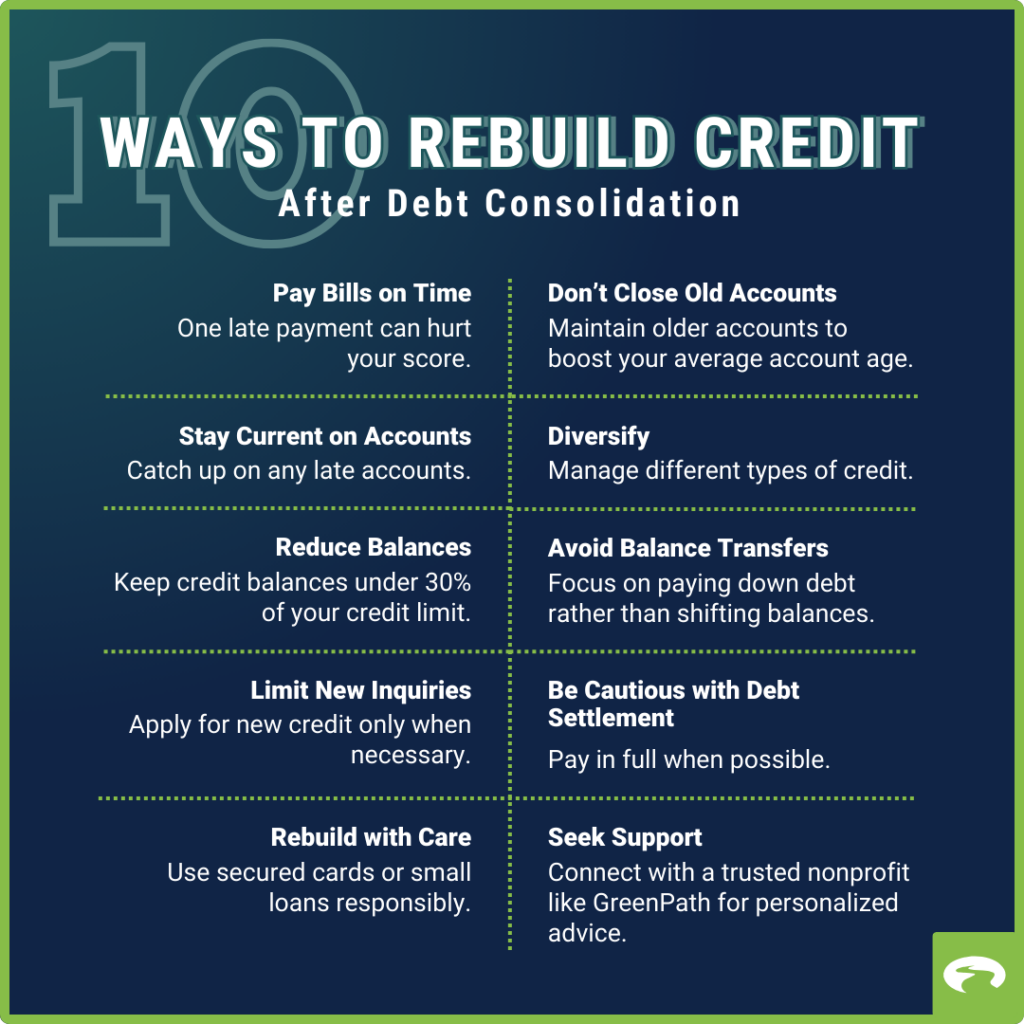
Strategies to Boost Your Credit Score During Debt Management
While enrolled in a DMP, there are several proactive steps you can take to improve your credit score:
1. Make Timely Payments, Every Time
This is the most crucial aspect of improving your credit score while in a DMP. Your payment history accounts for a significant portion of your credit score. Ensure that you make your DMP payments on time, every single month. Set up automatic payments if possible to avoid any accidental late payments.
2. Monitor Your Credit Report Regularly
You are entitled to a free credit report from each of the three major credit bureaus (Equifax, Experian, and TransUnion) annually. Take advantage of this and review your credit reports regularly. Look for any errors or inaccuracies, such as incorrect account balances, late payment notations that are incorrect, or accounts that aren't yours. Dispute any errors you find with the credit bureau in question. Correcting errors can significantly improve your credit score.
3. Avoid Opening New Credit Accounts
While in a DMP, it's generally advisable to avoid opening new credit accounts. Applying for new credit can trigger a hard inquiry on your credit report, which can slightly lower your score. Furthermore, taking on additional debt while trying to manage your existing debt can undermine your progress.
4. Understand Credit Utilization (Even with Closed Accounts)
Even though many of your credit card accounts are likely closed as part of the DMP, understanding credit utilization is still important. If you have any secured credit cards or lines of credit that remain open, keep their balances low. Aim to use no more than 30% of the available credit on these accounts. For example, if you have a secured credit card with a $500 limit, try to keep your balance below $150.
5. Consider a Secured Credit Card
If you don't have any credit cards open while in a DMP, consider applying for a secured credit card. A secured credit card requires you to put down a cash deposit as collateral, which becomes your credit limit. Secured credit cards are often easier to obtain than unsecured cards, especially if you have a less-than-perfect credit history. Use the card responsibly by making small purchases and paying them off in full each month. This can help you rebuild your credit history.
6. Become an Authorized User on Someone Else's Credit Card
If you have a trusted friend or family member with a credit card account in good standing, ask if they would be willing to add you as an authorized user. Being an authorized user allows you to benefit from their positive payment history, which can help improve your credit score. However, make sure the cardholder is responsible with their spending and payments, as their actions will also affect your credit.
7. Explore Credit Builder Loans
Credit builder loans are designed to help people with limited or damaged credit build a positive credit history. With a credit builder loan, you make payments towards a loan that you don't actually receive until you've finished making all the payments. The lender reports your payments to the credit bureaus, helping you establish a positive payment history.
8. Be Patient and Consistent
Improving your credit score while in a DMP takes time and consistency. Don't expect to see results overnight. It can take several months or even years to rebuild your credit. Stay committed to making on-time payments, monitoring your credit report, and following the other strategies outlined above. Your efforts will eventually pay off.
Long-Term Financial Health After Debt Management
Successfully completing your debt management program is a significant achievement. Once you've paid off your debts, it's important to maintain good financial habits to prevent future debt problems. Here are some tips for long-term financial health:
- Create a Budget: Develop a budget and stick to it. Track your income and expenses to ensure you're not spending more than you earn.
- Build an Emergency Fund: Aim to save at least three to six months' worth of living expenses in an emergency fund. This will help you cover unexpected expenses without resorting to credit cards or loans.
- Avoid Overspending: Be mindful of your spending habits and avoid impulse purchases. Before making a purchase, ask yourself if you really need it and if you can afford it.
- Use Credit Wisely: If you choose to use credit cards, do so responsibly. Pay your balances in full each month to avoid interest charges and maintain a low credit utilization ratio.
- Regularly Review Your Credit Report: Continue to monitor your credit report regularly, even after completing your DMP. This will help you identify any errors or inaccuracies and track your progress over time.
By understanding how debt management programs affect your credit score and implementing these strategies, you can successfully improve your credit score while working towards a debt-free future. Remember that patience, consistency, and responsible financial habits are key to achieving your financial goals.

0 Comments