
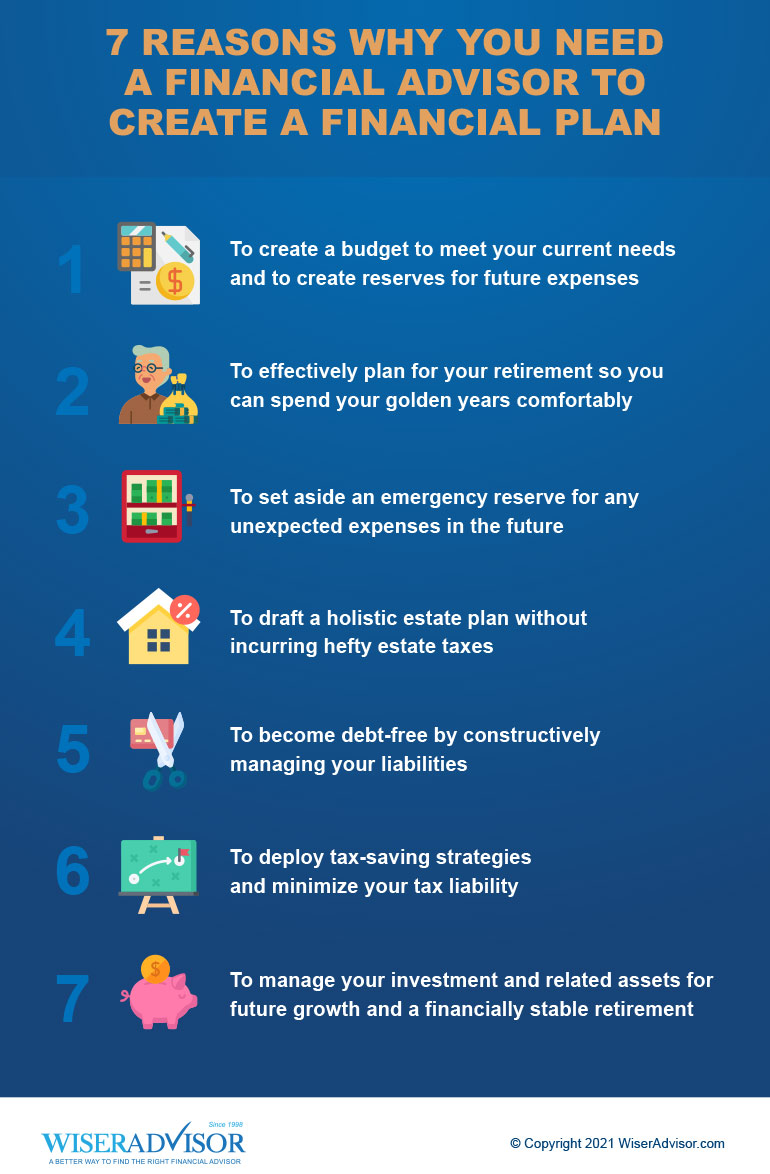
Understanding the Importance of a Financial Plan
A financial plan is more than just a budget; it's a roadmap to achieving your financial goals. Whether you're saving for retirement, buying a home, or simply trying to gain control of your finances, a well-structured plan can provide clarity and direction. It allows you to assess your current financial situation, identify your priorities, and develop strategies to reach your desired outcomes. Many people find that working with a financial advisor significantly enhances this process, offering expertise and personalized guidance.
Why Work with a Financial Advisor?
While it's possible to create a financial plan on your own, partnering with a financial advisor offers numerous advantages. Financial advisors possess in-depth knowledge of financial markets, investment strategies, and tax implications. They can provide objective advice tailored to your specific circumstances and help you navigate complex financial decisions. Furthermore, they can hold you accountable to your plan and make adjustments as your life evolves. A good financial advisor acts as a trusted partner, helping you stay on track towards your financial goals.
Benefits of Working with a Financial Advisor
- Expertise and Knowledge: Access to specialized financial knowledge and market insights.
- Objective Advice: Unbiased recommendations based on your individual needs.
- Personalized Strategies: Customized plans tailored to your specific goals and risk tolerance.
- Accountability and Support: Ongoing guidance and support to stay on track.
- Time Savings: Free up your time by delegating financial management tasks.
Finding the Right Financial Advisor
Selecting the right financial advisor is crucial for a successful financial planning experience. It's important to find someone who understands your goals, communicates effectively, and has a proven track record. Here are some key factors to consider when choosing a financial advisor:
Key Considerations When Choosing an Advisor
- Credentials and Qualifications: Look for certifications such as Certified Financial Planner (CFP), Chartered Financial Analyst (CFA), or Chartered Financial Consultant (ChFC).
- Experience: Consider the advisor's experience in the industry and their expertise in areas relevant to your needs.
- Fee Structure: Understand how the advisor is compensated, whether it's through fees, commissions, or a combination of both. Fee-only advisors are often considered more objective as they don't receive commissions on specific products.
- Communication Style: Choose an advisor who communicates clearly and is responsive to your questions and concerns.
- Client Reviews and Testimonials: Research the advisor's reputation by reading online reviews and testimonials from other clients.
The Financial Planning Process with an Advisor
The process of creating a financial plan with an advisor typically involves several stages. Here's a breakdown of what you can expect:
Step 1: Initial Consultation
The first step is an initial consultation where you'll discuss your financial goals, current situation, and risk tolerance with the advisor. This meeting is an opportunity to assess whether the advisor is a good fit for your needs and to ask any questions you may have. Be prepared to discuss your income, expenses, assets, and liabilities.
Step 2: Data Gathering and Analysis
Next, the advisor will gather detailed information about your financial situation, including your income statements, tax returns, investment portfolios, and insurance policies. They will then analyze this data to assess your current financial health and identify any potential areas for improvement. This step may involve using financial planning software to model different scenarios and projections.
Step 3: Goal Setting and Prioritization
Based on the data analysis and your initial consultation, the advisor will work with you to define your financial goals and prioritize them. This may involve setting specific, measurable, achievable, relevant, and time-bound (SMART) goals for retirement, education, homeownership, or other important milestones. It's critical to be honest and realistic about your goals and how much you are willing to save and invest to achieve them.
Step 4: Plan Development
Once your goals are defined, the advisor will develop a comprehensive financial plan tailored to your specific needs and objectives. This plan will outline strategies for saving, investing, managing debt, and protecting your assets. It may also include recommendations for insurance coverage, tax planning, and estate planning. The plan should be easy to understand and provide clear actionable steps.
Step 5: Plan Implementation
After you approve the financial plan, the advisor will help you implement it. This may involve opening investment accounts, purchasing insurance policies, or making changes to your existing financial arrangements. The advisor will guide you through each step of the implementation process and ensure that you understand the rationale behind each decision.
Step 6: Ongoing Monitoring and Review
A financial plan is not a static document; it needs to be reviewed and adjusted regularly to reflect changes in your life circumstances, financial markets, and tax laws. The advisor will monitor your progress towards your goals and make adjustments to the plan as needed. This may involve rebalancing your portfolio, updating your insurance coverage, or revising your retirement projections. Regular communication with your advisor is essential for ensuring that your plan remains relevant and effective.
Key Components of a Financial Plan
A comprehensive financial plan typically includes the following components:
- Budgeting and Cash Flow Management: Creating a budget to track income and expenses and identify areas for savings.
- Debt Management: Developing strategies to pay off high-interest debt and improve your credit score.
- Investment Planning: Building a diversified investment portfolio aligned with your risk tolerance and time horizon.
- Retirement Planning: Estimating your retirement needs and developing a plan to accumulate sufficient savings.
- Insurance Planning: Assessing your insurance needs and obtaining adequate coverage for life, health, disability, and property.
- Tax Planning: Minimizing your tax liability through strategic tax planning techniques.
- Estate Planning: Creating a plan for the distribution of your assets after your death, including a will, trust, and power of attorney.
Questions to Ask a Potential Financial Advisor
Before hiring a financial advisor, it's important to ask them questions to ensure they are the right fit for your needs. Here are some key questions to consider:
- What are your qualifications and experience?
- What is your fee structure?
- What types of clients do you typically work with?
- What is your investment philosophy?
- How often will we communicate?
- What is your approach to risk management?
- Can you provide references from current clients?

0 Comments