
Why a Financial Plan is Crucial for Your New Business
Starting a business is an exciting endeavor, filled with passion and ambition. However, passion alone isn't enough to guarantee success. A solid financial plan acts as the roadmap, guiding your decisions and ensuring you stay on track towards profitability. It's not just about securing funding; it's about understanding your financial health, predicting future needs, and making informed choices. Without a well-defined financial plan, you're essentially navigating uncharted waters without a compass.
A comprehensive financial plan helps you:
- Secure funding from investors or lenders.
- Track your cash flow and manage expenses.
- Identify potential financial risks and opportunities.
- Make informed decisions about pricing, marketing, and operations.
- Measure your progress against your goals and make necessary adjustments.
Key Components of a Financial Plan
A robust financial plan typically includes several key components, each providing a different perspective on your business's financial health. Let's delve into each of these components:
1. Executive Summary
The executive summary provides a high-level overview of your financial plan. It should be concise and compelling, summarizing your business goals, financial projections, and funding requirements. Think of it as your elevator pitch for your financial plan.
2. Startup Costs
This section details all the expenses you anticipate incurring before your business officially launches. These costs can be categorized as follows:
- One-time Costs: These are expenses you only pay once, such as legal fees, incorporation costs, equipment purchases, initial inventory, and leasehold improvements.
- Recurring Costs: These are expenses you'll continue to pay regularly, such as rent, utilities, insurance, salaries, and marketing costs.
Be thorough in your estimations. It's better to overestimate than underestimate your startup costs, as running out of funds prematurely can be detrimental.
3. Revenue Projections
Accurately projecting your revenue is critical. This involves estimating how much revenue your business will generate over a specific period (usually 1-3 years). To create realistic revenue projections, consider the following factors:
- Market Research: Understand your target market, their needs, and their willingness to pay for your product or service.
- Sales Forecasts: Estimate the number of units you expect to sell or the number of clients you anticipate serving.
- Pricing Strategy: Determine your pricing strategy based on your costs, competitor pricing, and perceived value.
- Sales Channels: Consider how you will reach your customers (e.g., online store, retail location, direct sales).
Document your assumptions and provide a rationale for your revenue projections. Investors and lenders will want to see a well-reasoned and realistic assessment of your revenue potential.
4. Profit and Loss (P&L) Statement
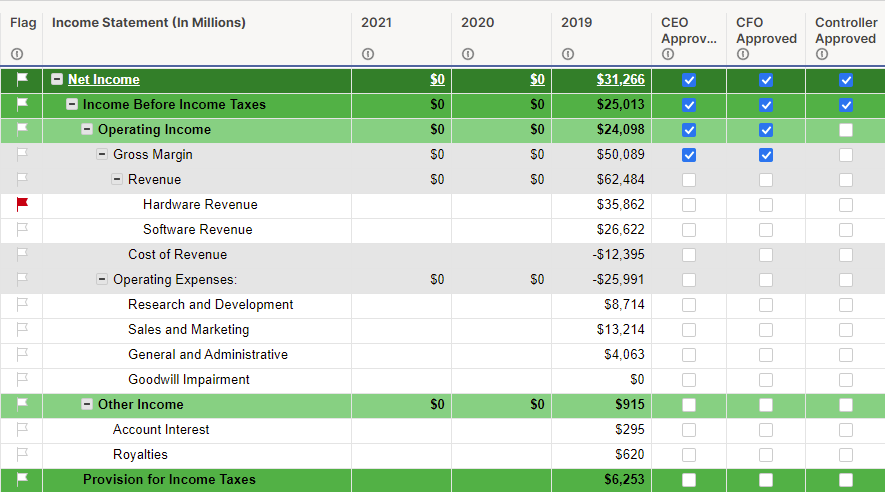
The P&L statement, also known as the income statement, summarizes your revenue, expenses, and profits (or losses) over a specific period. It provides a clear picture of your business's profitability. Your P&L statement should include:
- Revenue: Total income generated from sales.
- Cost of Goods Sold (COGS): Direct costs associated with producing your goods or services.
- Gross Profit: Revenue minus COGS.
- Operating Expenses: Expenses incurred in running your business, such as rent, salaries, marketing, and utilities.
- Operating Income: Gross profit minus operating expenses.
- Net Income: Operating income minus interest and taxes.
Create projected P&L statements for at least the first year of operation, broken down monthly or quarterly.
5. Cash Flow Statement
The cash flow statement tracks the movement of cash into and out of your business. It's crucial for understanding your ability to meet your short-term obligations and manage your working capital. The cash flow statement is divided into three sections:
- Operating Activities: Cash flow generated from your core business operations.
- Investing Activities: Cash flow related to the purchase or sale of long-term assets, such as equipment or property.
- Financing Activities: Cash flow related to borrowing, issuing stock, or repaying debt.
Projected cash flow statements are essential for identifying potential cash shortages and ensuring you have enough funds to cover your expenses.
6. Balance Sheet
The balance sheet provides a snapshot of your business's assets, liabilities, and equity at a specific point in time. It follows the basic accounting equation: Assets = Liabilities + Equity.
- Assets: What your business owns (e.g., cash, inventory, equipment).
- Liabilities: What your business owes to others (e.g., loans, accounts payable).
- Equity: The owner's stake in the business.
Projected balance sheets can help you assess your business's financial stability and solvency.
7. Break-Even Analysis
The break-even analysis determines the point at which your revenue equals your expenses. It helps you understand how many units you need to sell or how much revenue you need to generate to cover your costs. The break-even point is calculated as follows:
Break-Even Point (in Units) = Fixed Costs / (Sales Price per Unit - Variable Cost per Unit)
Understanding your break-even point is crucial for setting realistic sales targets and pricing strategies.
Tips for Creating a Realistic Financial Plan
Creating a financial plan isn't just about crunching numbers; it's about making informed assumptions and considering various scenarios. Here are some tips for creating a realistic and effective financial plan:
- Be Realistic: Avoid overly optimistic projections. Base your assumptions on market research, historical data, and industry trends.
- Be Conservative: It's better to underestimate revenue and overestimate expenses. This will help you prepare for unexpected challenges.
- Do Your Research: Thoroughly research your market, competitors, and industry trends. Use reliable data sources and consult with experts.
- Use Financial Planning Software: Consider using financial planning software to streamline the process and generate accurate projections.
- Seek Professional Advice: Consult with an accountant or financial advisor to get expert guidance and ensure your financial plan is sound.
- Regularly Review and Update: Your financial plan is not a static document. Regularly review and update it based on your actual performance and changes in the market.
Tools and Resources for Financial Planning
Several tools and resources can help you create a financial plan for your startup. Here are a few examples:
- Spreadsheet Software: Microsoft Excel or Google Sheets can be used to create financial models and projections.
- Financial Planning Software: Software like QuickBooks, Xero, and FreshBooks offer features for budgeting, forecasting, and financial reporting.
- Small Business Administration (SBA): The SBA provides resources, training, and counseling for small business owners, including financial planning assistance.
- SCORE: SCORE is a non-profit organization that provides free mentoring and workshops for entrepreneurs.
- Online Templates: Numerous online templates are available for creating financial statements and projections.
By utilizing these tools and resources, you can create a comprehensive and effective financial plan that will help you launch and grow your business successfully.

0 Comments