
Introduction: The Million Dollar Dream and Stock Investing
The allure of a million-dollar portfolio is undeniable. It represents financial security, freedom, and the ability to pursue your passions without financial constraints. While reaching this milestone may seem daunting, it's entirely achievable through strategic stock investing. This guide will provide you with a step-by-step roadmap to building a million-dollar portfolio, focusing on practical strategies and long-term growth.
Step 1: Define Your Investment Goals and Risk Tolerance
Before diving into the world of stocks, it's crucial to define your investment goals and understand your risk tolerance. Ask yourself: What do you hope to achieve with your investments? Are you saving for retirement, a down payment on a house, or your children's education? Your goals will influence your investment timeline and the level of risk you're willing to take.
Understanding Your Risk Tolerance
Risk tolerance refers to your comfort level with potential investment losses. Are you comfortable with the possibility of your portfolio declining in value in the short term, knowing that it has the potential to rebound and grow over the long term? Or do you prefer a more conservative approach with lower potential returns but also lower risk? A realistic assessment of your risk tolerance is essential for choosing appropriate investments.
Step 2: Educate Yourself About Stocks and Investing
Investing in the stock market requires knowledge and understanding. Take the time to educate yourself about the different types of stocks, investment strategies, and market dynamics. There are numerous resources available, including books, online courses, financial websites, and investment professionals. Start with the basics and gradually expand your knowledge as you gain experience.
Key Concepts to Learn
- Different Types of Stocks: Understand the difference between growth stocks, value stocks, dividend stocks, and small-cap, mid-cap, and large-cap stocks.
- Fundamental Analysis: Learn how to analyze a company's financial statements to assess its profitability, financial health, and growth potential. Key metrics include earnings per share (EPS), price-to-earnings ratio (P/E), and debt-to-equity ratio.
- Technical Analysis: Explore the use of charts and indicators to identify patterns and trends in stock prices.
- Diversification: Understand the importance of diversifying your portfolio across different sectors, industries, and asset classes to reduce risk.
Step 3: Choose a Brokerage Account
To buy and sell stocks, you'll need a brokerage account. Several online brokers offer commission-free trading and a wide range of investment options. Consider factors such as account fees, trading platform features, research tools, and customer support when choosing a broker. Popular options include Fidelity, Charles Schwab, and Robinhood.
Types of Brokerage Accounts
Different types of brokerage accounts are available, each with its own tax implications. Consider these options:
- Taxable Brokerage Account: This is a standard investment account where profits are subject to capital gains taxes.
- Roth IRA: Contributions are made with after-tax dollars, but earnings and withdrawals are tax-free in retirement.
- Traditional IRA: Contributions may be tax-deductible, and earnings grow tax-deferred until retirement.
- 401(k): A retirement savings plan sponsored by your employer, often with employer matching contributions.
Step 4: Develop Your Investment Strategy
With your brokerage account set up, it's time to develop your investment strategy. This involves deciding which stocks to buy, how much to invest in each stock, and how often to rebalance your portfolio.
Popular Investment Strategies
- Value Investing: Focuses on buying undervalued stocks with strong fundamentals.
- Growth Investing: Targets companies with high growth potential.
- Dividend Investing: Emphasizes stocks that pay regular dividends.
- Index Investing: Involves investing in index funds or ETFs that track a specific market index, such as the S&P 500. This is a passive strategy that provides broad market exposure.
Step 5: Start Investing and Stay Consistent
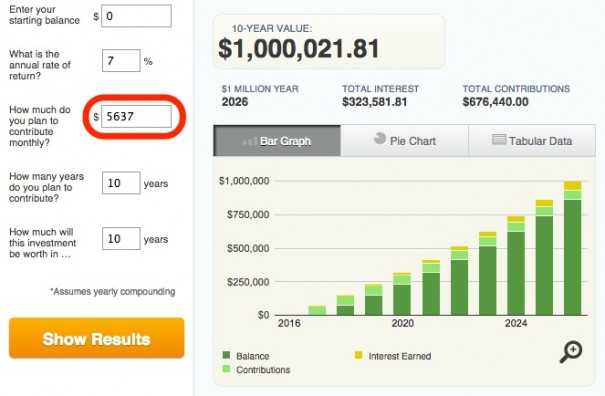
The key to building a million-dollar portfolio is to start investing early and stay consistent. Even small, regular investments can add up significantly over time, thanks to the power of compounding. Consider setting up automatic investments to ensure you're consistently contributing to your portfolio.
The Power of Compounding
Compounding is the process of earning returns on your initial investment and then earning returns on those returns. Over time, compounding can significantly accelerate the growth of your portfolio. The earlier you start investing, the more time your money has to compound.
Step 6: Rebalance Your Portfolio Regularly
Over time, your portfolio's asset allocation may drift away from your target allocation due to market fluctuations. Rebalancing involves selling some assets that have performed well and buying assets that have underperformed to bring your portfolio back into alignment with your desired asset allocation. Rebalancing helps to manage risk and maintain a diversified portfolio.
When to Rebalance
A common rule of thumb is to rebalance your portfolio annually or whenever your asset allocation deviates by more than 5% from your target allocation.
Step 7: Monitor Your Portfolio and Make Adjustments as Needed
Regularly monitor your portfolio's performance and make adjustments as needed. This includes tracking your returns, reviewing your asset allocation, and evaluating the performance of individual stocks. Be prepared to make changes to your portfolio based on market conditions, changes in your financial goals, or changes in your risk tolerance.
Staying Informed
Stay informed about market trends, economic news, and company-specific developments. This will help you make informed investment decisions and adjust your portfolio accordingly.
Step 8: Invest for the Long Term and Avoid Emotional Decisions
Building a million-dollar portfolio is a long-term endeavor. Avoid making emotional decisions based on short-term market fluctuations. Focus on your long-term goals and stick to your investment strategy. Remember that market corrections and downturns are a normal part of the investment cycle. Don't panic sell during these periods. Instead, consider it an opportunity to buy more stocks at lower prices.
The Importance of Patience
Patience is essential for successful investing. It takes time for investments to grow and compound. Avoid the temptation to chase quick profits or make impulsive decisions based on market hype.
Step 9: Consider Seeking Professional Advice
If you're unsure about any aspect of investing, consider seeking advice from a qualified financial advisor. A financial advisor can help you develop a personalized investment plan, manage your portfolio, and provide guidance on financial planning matters.
Finding a Financial Advisor
When choosing a financial advisor, look for someone who is experienced, knowledgeable, and trustworthy. Ask about their fees, investment philosophy, and client testimonials.

0 Comments