
Understanding the Landscape of Scams and Financial Fraud
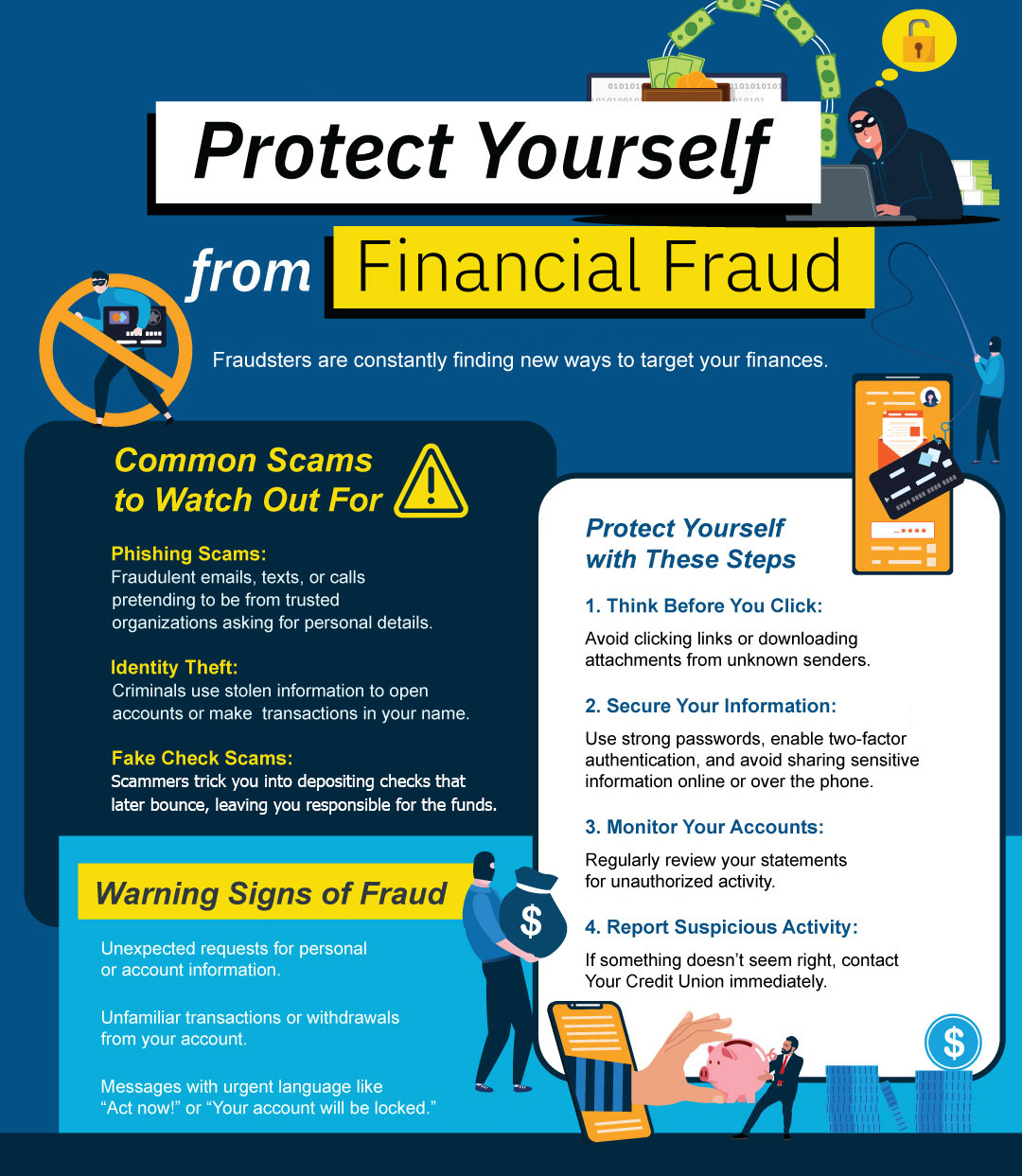
In today's digital age, scams and financial fraud are becoming increasingly sophisticated and prevalent. From phishing emails to investment schemes, fraudsters are constantly finding new ways to deceive individuals and steal their hard-earned money. Understanding the different types of scams and how they operate is the first step in protecting yourself.
Common Types of Scams to Watch Out For
Being aware of the most common scams can significantly reduce your risk of falling victim. Here are a few prevalent types:
Phishing Scams
Phishing scams involve fraudsters attempting to obtain sensitive information such as usernames, passwords, and credit card details by disguising themselves as a trustworthy entity. These scams often come in the form of emails, text messages, or phone calls that appear to be from legitimate organizations like banks, government agencies, or online retailers. They will often create a sense of urgency to get you to act quickly.
How to identify a phishing scam:
- Generic greetings (e.g., "Dear Customer")
- Requests for personal information
- Urgent or threatening language
- Suspicious links or attachments
- Grammatical errors and typos
- Mismatching email addresses or domain names
Romance Scams
Romance scams target individuals looking for love or companionship online. Scammers create fake profiles on dating websites or social media platforms and build relationships with their victims. Once they have gained their trust, they will often ask for money for various reasons, such as medical emergencies, travel expenses, or business opportunities. They may also try to isolate the victim from their friends and family.
Red flags of a romance scam:
- Moving too fast in the relationship
- Avoiding meeting in person
- Claiming to be in a foreign country
- Asking for money for emergencies or travel
- Inconsistencies in their stories
Investment Scams
Investment scams promise high returns with little or no risk. Scammers often target inexperienced investors with schemes involving fake stocks, bonds, or other investment opportunities. They may use high-pressure sales tactics to convince victims to invest quickly before they have a chance to do their research. Pyramid schemes and Ponzi schemes fall into this category, where early investors are paid with money from new investors, creating a false sense of profitability until the scheme collapses.
Warning signs of an investment scam:
- Guaranteed high returns with little or no risk
- Unsolicited investment offers
- High-pressure sales tactics
- Unregistered or unlicensed investment professionals
- Complex or difficult-to-understand investments
Identity Theft
Identity theft occurs when someone steals your personal information, such as your Social Security number, credit card details, or driver's license number, and uses it to commit fraud. This can include opening fraudulent accounts, making unauthorized purchases, or filing false tax returns. Identity theft can have a devastating impact on your credit score and financial well-being.
How to protect yourself from identity theft:
- Shred documents containing personal information
- Monitor your credit report regularly
- Use strong passwords and unique usernames
- Be cautious of suspicious emails and websites
- Secure your social media accounts
Tech Support Scams
Tech support scams involve fraudsters posing as technical support representatives from well-known companies like Microsoft or Apple. They contact victims by phone or through pop-up ads on their computers, claiming that their device has a virus or other technical problem. They then pressure victims to pay for unnecessary services or software, or to give them remote access to their computers, which they can use to steal personal information or install malware.
How to identify a tech support scam:
- Unsolicited phone calls or pop-up ads
- Claims that your computer has a virus or other technical problem
- Requests for remote access to your computer
- Pressure to pay for unnecessary services or software
Protecting Yourself from Scams and Financial Fraud: Practical Tips
While scams can be difficult to detect, there are several steps you can take to protect yourself and your finances:
Be Skeptical of Unsolicited Offers
If you receive an unsolicited email, phone call, or message offering a product, service, or investment opportunity, be skeptical. Don't be afraid to ask questions and do your research before committing to anything. Legitimate companies will not pressure you to make a decision on the spot.
Verify the Identity of the Sender
Before providing any personal information or clicking on any links, verify the identity of the sender. If you receive an email from a bank or other financial institution, contact them directly using a phone number or website that you know is legitimate. Do not use the contact information provided in the email.
Use Strong Passwords and Enable Two-Factor Authentication
Use strong, unique passwords for all of your online accounts. A strong password should be at least 12 characters long and include a combination of uppercase and lowercase letters, numbers, and symbols. Enable two-factor authentication whenever possible to add an extra layer of security to your accounts.
Keep Your Software Up to Date
Install the latest software updates for your operating system, web browser, and antivirus software. These updates often include security patches that protect against known vulnerabilities.
Monitor Your Accounts Regularly
Check your bank accounts, credit card statements, and credit report regularly for any unauthorized transactions or suspicious activity. If you notice anything unusual, report it to your bank or credit card company immediately.
Be Careful What You Share Online
Be mindful of the information you share online, especially on social media. Scammers can use this information to target you with personalized scams.
Trust Your Gut
If something feels too good to be true, it probably is. Trust your instincts and don't be afraid to walk away from a situation that makes you uncomfortable.
What to Do If You've Been Scammed
If you believe you have been a victim of a scam, it's important to take action immediately:
Report the Scam
Report the scam to the Federal Trade Commission (FTC) at IdentityTheft.gov or ReportFraud.ftc.gov. You should also report the scam to your local law enforcement agency.
Contact Your Bank and Credit Card Companies
Contact your bank and credit card companies immediately to report the fraud and cancel any affected cards or accounts.
Change Your Passwords
Change your passwords for all of your online accounts, especially those that may have been compromised.
Monitor Your Credit Report
Monitor your credit report regularly for any signs of identity theft. You can obtain a free copy of your credit report from each of the three major credit bureaus (Equifax, Experian, and TransUnion) once a year at AnnualCreditReport.com.
Staying Informed About Emerging Threats
The world of scams and financial fraud is constantly evolving. Staying informed about emerging threats and new tactics used by fraudsters is crucial for protecting yourself. Subscribe to reputable cybersecurity blogs, follow government agencies like the FTC on social media, and participate in community awareness programs to stay up-to-date on the latest scams.

0 Comments