
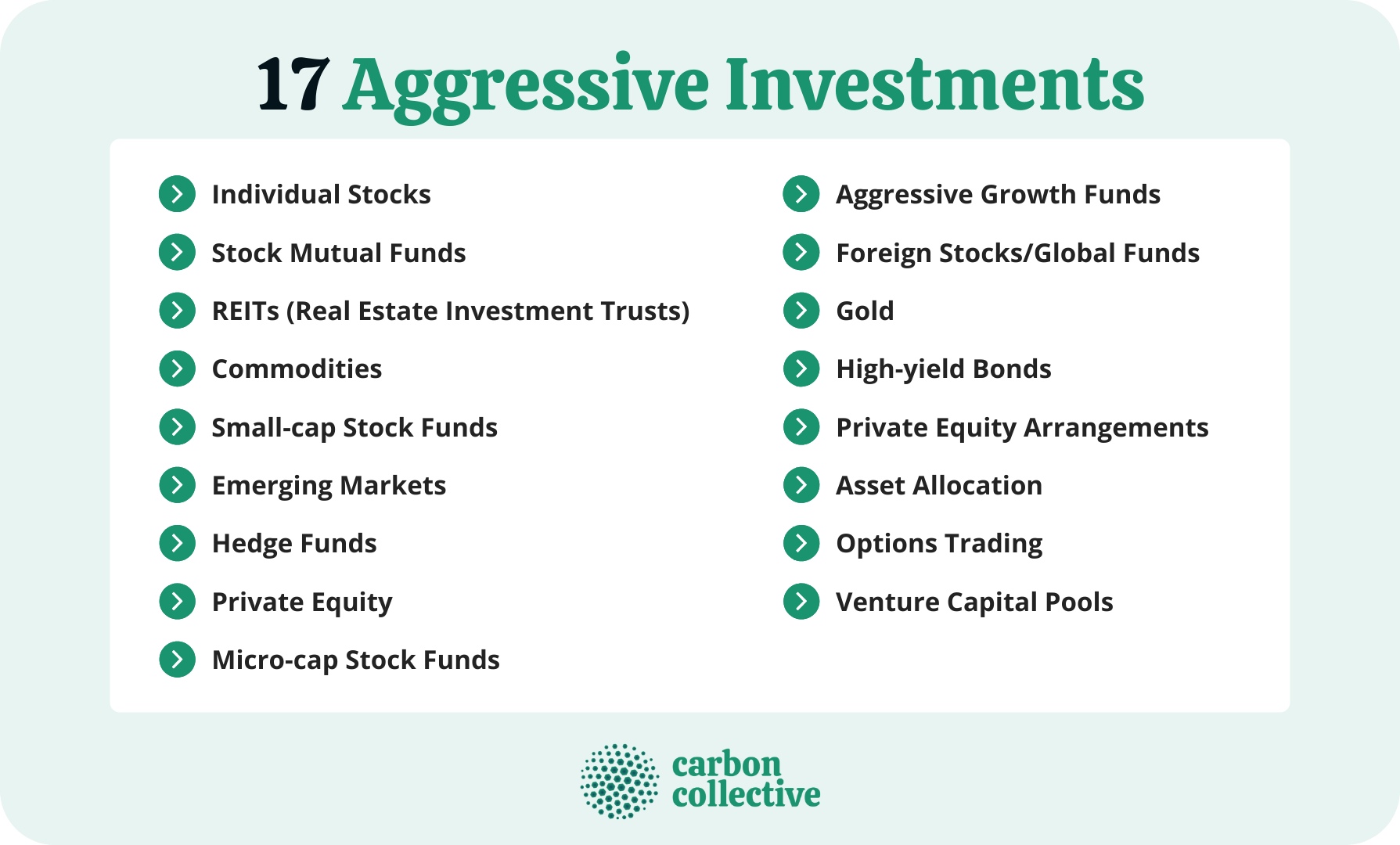
Understanding Growth Investing for Aggressive Investors
Growth investing is an investment strategy focused on companies expected to grow at a rate significantly above the market average. Aggressive investors, often with a higher risk tolerance and a longer investment horizon, are drawn to growth stocks because of their potential for substantial returns. However, it's crucial to understand the inherent risks involved before diving in.
Identifying Growth Stocks
Finding the right growth stocks requires careful research and analysis. Here are key factors to consider:
Revenue and Earnings Growth
Look for companies with consistently high revenue and earnings growth rates. Analyze their financial statements to understand the sustainability of this growth. A company consistently increasing its revenue and earnings year-over-year is a strong indicator of potential.
Industry Trends and Market Position
Assess the industry the company operates in. Is the industry growing? Does the company have a competitive advantage? A company dominating a growing market has a higher chance of sustained growth.
Management Quality
Evaluate the quality of the company's management team. Are they experienced and capable of executing the company's growth strategy? A strong leadership team is essential for navigating challenges and capitalizing on opportunities.
Innovation and Disruption
Identify companies that are innovating and disrupting traditional industries. These companies often have the potential for exponential growth. Look for companies with a unique product or service that is changing the way things are done.
Common Growth Investment Strategies
Aggressive investors can employ several strategies to capitalize on growth opportunities:
Focus on Emerging Industries
Investing in companies within emerging industries like renewable energy, artificial intelligence, or biotechnology can offer significant growth potential. These industries are often characterized by rapid innovation and high demand.
Small-Cap Growth Stocks
Small-cap companies, with market capitalizations between $300 million and $2 billion, often have more room to grow than larger, more established companies. However, they also come with higher volatility and risk.
Momentum Investing
Momentum investing involves buying stocks that have already been performing well, with the expectation that they will continue to rise. This strategy requires careful monitoring and timely execution.
Growth at a Reasonable Price (GARP)
GARP is a strategy that combines growth investing with value investing. It involves finding companies with strong growth potential that are trading at a reasonable valuation. This approach aims to balance risk and reward.
Risk Management is Crucial
Aggressive growth investing involves significant risks, and effective risk management is essential:
Diversification
Don't put all your eggs in one basket. Diversify your portfolio across different industries and sectors to mitigate risk. Diversification helps to reduce the impact of any single investment performing poorly.
Stop-Loss Orders
Use stop-loss orders to limit potential losses. A stop-loss order automatically sells a stock if it falls below a certain price. This can help to protect your capital during market downturns.
Regular Portfolio Review
Regularly review your portfolio and rebalance as needed. This ensures that your portfolio remains aligned with your investment goals and risk tolerance. Market conditions can change, and your portfolio should adapt accordingly.
Due Diligence
Thoroughly research any company before investing. Understand its business model, financial performance, and competitive landscape. Don't rely solely on recommendations from others.
Examples of Growth Stocks
While specific stock recommendations are beyond the scope of this article, here are some examples of the *types* of companies that aggressive growth investors might consider:
Technology Companies
Companies involved in software, cloud computing, e-commerce, and other technology-related fields often exhibit high growth potential. Examples include companies developing innovative AI solutions or disrupting traditional industries with new technologies.
Healthcare Companies
Biotechnology and pharmaceutical companies developing new drugs and therapies can experience rapid growth. Investing in healthcare requires an understanding of clinical trials, regulatory approvals, and market demand.
Consumer Discretionary Companies
Companies offering innovative products or services in the consumer discretionary sector can also offer growth opportunities. This includes companies in areas like e-commerce, entertainment, and luxury goods.
The Importance of a Long-Term Perspective
Growth investing is typically a long-term strategy. It can take time for growth companies to realize their full potential. Aggressive investors need to be patient and willing to ride out short-term volatility. Trying to time the market or chasing short-term gains can be detrimental to long-term success.
Understanding Market Volatility
Growth stocks can be more volatile than value stocks or the overall market. Aggressive investors need to be prepared for periods of significant price fluctuations. Market corrections and economic downturns can impact growth stocks more severely than other types of investments.
Staying Informed
Staying informed about market trends, economic conditions, and company-specific news is crucial for successful growth investing. Subscribe to financial news sources, follow industry analysts, and regularly review company filings.

0 Comments