
Why You Need an Emergency Fund When Paying Off Debt
Paying off debt is a fantastic goal. It frees up your finances, reduces stress, and paves the way for a brighter financial future. However, many people focus solely on debt repayment and neglect a crucial component of financial security: an emergency fund. Skipping this step can actually sabotage your debt repayment efforts in the long run. An emergency fund acts as a safety net, preventing you from accumulating more debt when unexpected expenses arise. Let's delve into why an emergency fund is essential for effective debt repayment planning.
The Importance of an Emergency Fund
Life is unpredictable. Car repairs, medical bills, job loss, or unexpected home repairs can all throw a wrench into your carefully laid financial plans. Without an emergency fund, you might be forced to rely on credit cards or loans to cover these expenses, derailing your debt repayment progress and potentially pushing you further into debt. An emergency fund provides a buffer, allowing you to handle these unexpected costs without adding to your existing debt burden.
Preventing Debt Accumulation
Imagine you're diligently paying off your credit card debt. Suddenly, your car breaks down, requiring a $1,000 repair. If you don't have an emergency fund, you'll likely put the repair on your credit card, instantly increasing your debt balance and undoing some of your hard work. This cycle of debt accumulation can be incredibly discouraging and make it feel like you're never making progress. An emergency fund helps break this cycle by providing a readily available source of funds for unexpected expenses.
Reducing Financial Stress
Debt can be a major source of stress and anxiety. Constantly worrying about how you'll cover unexpected expenses only adds to this stress. Knowing you have an emergency fund can provide peace of mind and reduce the emotional burden of debt. You'll feel more confident and in control of your finances, knowing you have a safety net to fall back on.
Maintaining Momentum in Debt Repayment
Unexpected expenses can disrupt your debt repayment momentum. Having to divert funds from your debt payments to cover emergencies can slow down your progress and make you feel like you're taking one step forward and two steps back. An emergency fund allows you to stay on track with your debt repayment plan, even when faced with unexpected challenges.
How to Build an Emergency Fund While Paying Off Debt
Building an emergency fund while simultaneously paying off debt might seem challenging, but it's definitely achievable. The key is to prioritize and find a balance between the two goals.
Start Small and Be Consistent
You don't need to save a huge amount of money overnight. Start with a small, achievable goal, such as saving $500 or $1,000. Even a small emergency fund can provide a significant buffer against unexpected expenses. Automate your savings by setting up a recurring transfer from your checking account to a dedicated savings account. Consistency is key – even small, regular contributions will add up over time.
Prioritize High-Interest Debt
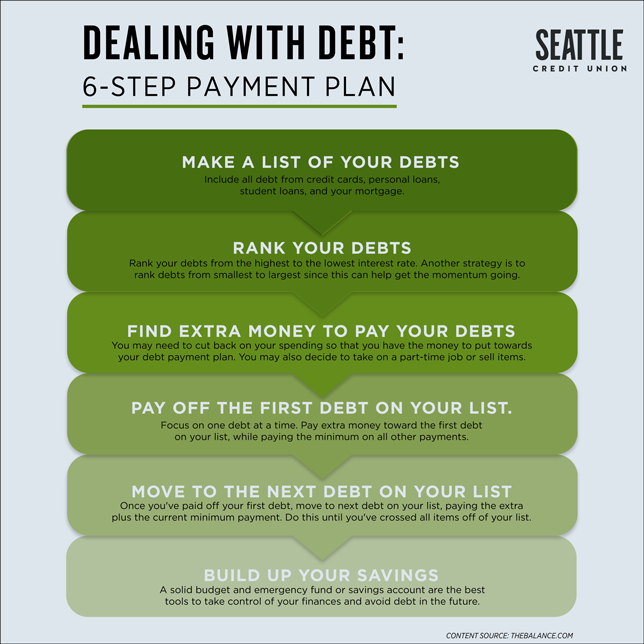
While building an emergency fund is important, it's also crucial to prioritize paying off high-interest debt, such as credit card debt. High interest rates can quickly erode your progress and make it harder to become debt-free. Consider using the debt avalanche or debt snowball method to accelerate your debt repayment.
Temporarily Pause or Reduce Debt Payments
If you're struggling to build an emergency fund while making debt payments, consider temporarily pausing or reducing your debt payments. This will free up more cash to allocate towards your emergency fund. However, be sure to understand the potential consequences of pausing or reducing your debt payments, such as increased interest charges or a longer repayment period. Explore options like debt management plans or debt consolidation, which might offer lower interest rates or more manageable payment terms.
Find Ways to Cut Expenses and Increase Income
Look for ways to cut expenses and increase your income to accelerate both your debt repayment and emergency fund building efforts. Identify areas where you can reduce spending, such as dining out, entertainment, or subscriptions. Consider taking on a side hustle or selling unwanted items to generate extra income. Every dollar you save or earn can be put towards your emergency fund or debt repayment.
Consider a Hybrid Approach
A hybrid approach involves balancing debt repayment and emergency fund building simultaneously. For example, you could allocate a certain percentage of your income to debt repayment and another percentage to your emergency fund. This approach allows you to make progress on both goals without neglecting either one.
How Much Should Be in Your Emergency Fund?
The ideal size of your emergency fund depends on your individual circumstances, such as your income, expenses, job security, and risk tolerance. A general rule of thumb is to aim for 3-6 months' worth of living expenses. This will provide a sufficient cushion to cover unexpected expenses or a period of unemployment.
Calculate Your Monthly Living Expenses
Start by calculating your average monthly living expenses. This includes rent or mortgage payments, utilities, food, transportation, insurance, and other essential expenses. Be sure to include any recurring debt payments, such as student loans or car loans.
Multiply by 3-6 Months
Once you've calculated your monthly living expenses, multiply that amount by 3 to get the lower end of your emergency fund target, and by 6 to get the upper end. For example, if your monthly living expenses are $3,000, your emergency fund target would be $9,000 to $18,000.
Adjust Based on Your Circumstances
Consider adjusting your emergency fund target based on your individual circumstances. If you have a stable job and low expenses, you might be comfortable with a smaller emergency fund. If you have a less stable job or high expenses, you might want to aim for a larger emergency fund.
Where to Keep Your Emergency Fund
Your emergency fund should be kept in a safe, liquid account that is easily accessible when you need it. Several options are available, each with its own advantages and disadvantages.
High-Yield Savings Account
A high-yield savings account is a popular choice for emergency funds. These accounts typically offer higher interest rates than traditional savings accounts, allowing your money to grow faster. They are also easily accessible and FDIC-insured, providing peace of mind.
Money Market Account
A money market account is another option for emergency funds. These accounts typically offer higher interest rates than savings accounts and may also offer check-writing privileges. However, they may also have higher minimum balance requirements.
Certificate of Deposit (CD)
A certificate of deposit (CD) is a type of savings account that holds a fixed amount of money for a fixed period of time, earning a fixed interest rate. CDs typically offer higher interest rates than savings accounts, but your money is locked up for the term of the CD, making it less accessible in case of an emergency. CDs are generally not recommended for emergency funds due to their lack of liquidity.

0 Comments