
Understanding the Current Economic Landscape and its Impact on Real Estate
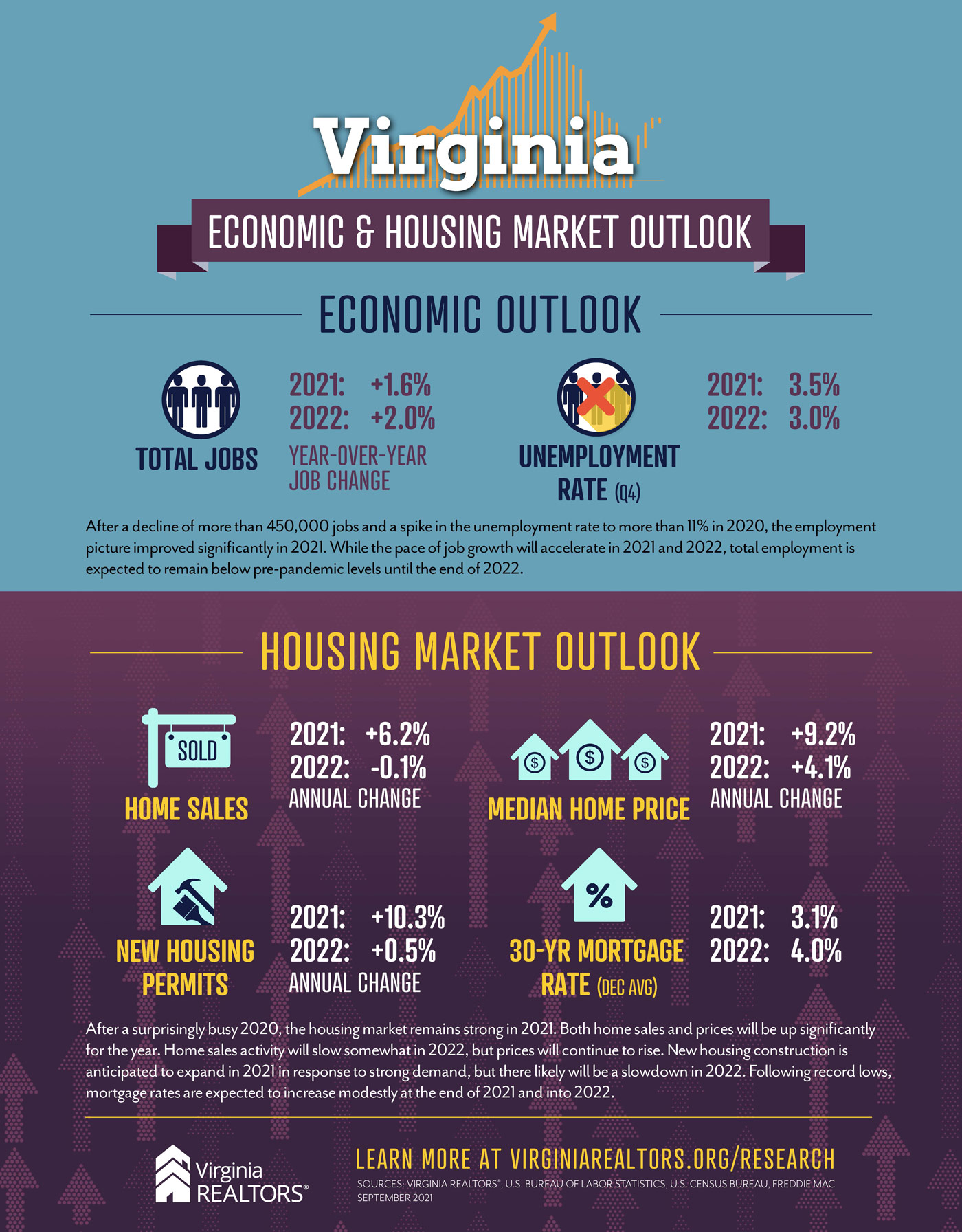
The real estate market is intrinsically linked to the broader economic environment. Understanding current economic trends is crucial for both investors and individuals looking to buy or sell property. Several key economic indicators play a significant role in shaping the real estate landscape, influencing demand, supply, and ultimately, property values.
Interest Rates and Their Influence on Housing Affordability
One of the most impactful economic factors affecting the real estate market is interest rates. Central banks, like the Federal Reserve in the United States, use interest rates as a tool to manage inflation and economic growth. When interest rates rise, borrowing becomes more expensive, which directly impacts mortgage rates. Higher mortgage rates reduce affordability for potential homebuyers, leading to a decrease in demand.
The Ripple Effect of Rising Interest Rates
The effect of rising interest rates isn't limited to homebuyers. It also affects developers and investors. Increased borrowing costs can make new construction projects less profitable, potentially slowing down the supply of new housing. For existing homeowners, higher interest rates may deter them from selling, further limiting the available inventory. This combination of reduced demand and constrained supply creates a complex dynamic in the real estate market.
Inflation's Role in Property Values
Inflation, the rate at which the general level of prices for goods and services is rising, also significantly influences the real estate market. In periods of high inflation, real estate is often seen as a hedge against the declining purchasing power of currency. Investors may turn to real estate as a safe haven asset, driving up demand and pushing prices higher.
How Inflation Affects Different Segments of the Real Estate Market
The impact of inflation can vary across different segments of the real estate market. For example, commercial real estate, particularly properties with leases tied to inflation, can benefit from rising prices. Landlords can increase rents to keep pace with inflation, providing a stable income stream. However, residential real estate may experience a more nuanced effect, as affordability constraints can limit the extent to which prices can rise.
GDP Growth and Employment Rates: Indicators of Housing Demand
Gross Domestic Product (GDP) growth and employment rates are vital indicators of the overall health of the economy and have a direct impact on housing demand. A strong economy with robust GDP growth typically leads to increased job creation. As more people find employment, their purchasing power increases, and they are more likely to enter the housing market.
The Correlation Between Job Growth and Housing Starts
Areas with strong job growth often experience a surge in housing demand, leading to increased housing starts (new construction). Developers respond to this demand by building more homes, which can help to alleviate supply shortages. Conversely, during economic downturns, when GDP growth slows and unemployment rises, housing demand typically weakens, leading to a decrease in housing starts and potentially lower property values.
Demographic Shifts and Their Impact on Housing Preferences
Demographic shifts, such as changes in population size, age distribution, and household composition, also play a significant role in shaping the real estate market. For example, the aging population is driving demand for senior housing and retirement communities. Millennial's, now a significant portion of the workforce, are impacting demand for urban living and smaller, more affordable housing options.
Understanding Regional Demographic Trends
It's important to consider regional demographic trends as well. Some areas may be experiencing rapid population growth due to migration, while others may be facing population decline. These shifts can have a profound impact on local housing markets, influencing demand, supply, and property values. Analyzing demographic data can provide valuable insights into future housing trends.
Supply Chain Issues and Construction Costs
The real estate market is also affected by global supply chain issues and rising construction costs. Disruptions in the supply chain can lead to shortages of building materials, increasing the cost of construction and potentially delaying projects. This can exacerbate existing supply shortages and put upward pressure on housing prices.
The Impact on Affordable Housing
Rising construction costs can particularly impact the availability of affordable housing. Developers may be less inclined to build affordable units if the profit margins are too low, further limiting access to housing for low- and moderate-income families. Government policies and incentives are often needed to address this issue and encourage the development of affordable housing options.
Government Policies and Regulations
Government policies and regulations play a crucial role in shaping the real estate market. Zoning laws, building codes, and tax incentives can all influence the supply and demand of housing. For example, policies that encourage density and mixed-use development can help to increase the supply of housing in urban areas. Tax incentives for first-time homebuyers can stimulate demand and make homeownership more accessible.
The Role of Housing Subsidies and Rent Control
Housing subsidies and rent control policies are other examples of government interventions that can have a significant impact on the real estate market. Subsidies can help to make housing more affordable for low-income families, while rent control policies aim to protect tenants from excessive rent increases. However, these policies can also have unintended consequences, such as reducing the supply of rental housing or discouraging investment in new construction.
Technology and Innovation in Real Estate
Technology and innovation are transforming the real estate industry in various ways. Online platforms and virtual tours are making it easier for buyers to search for properties and conduct due diligence. PropTech companies are developing new solutions for property management, financing, and investment. These technological advancements are increasing efficiency and transparency in the real estate market.
The Rise of iBuying and Online Real Estate Platforms
The rise of iBuying (instant buying) and online real estate platforms is disrupting traditional real estate transactions. iBuyers use algorithms to quickly assess the value of properties and make instant offers to sellers. Online platforms provide a convenient way for buyers and sellers to connect directly, potentially bypassing traditional real estate agents. These trends are changing the way people buy and sell homes.

0 Comments