
Understanding the Current Housing Market Landscape
The housing market is a dynamic entity, constantly shifting in response to a complex interplay of economic forces. Understanding the current landscape is crucial for anyone looking to buy, sell, or invest in real estate. As we look towards 2025, several key factors are shaping the trajectory of the market.
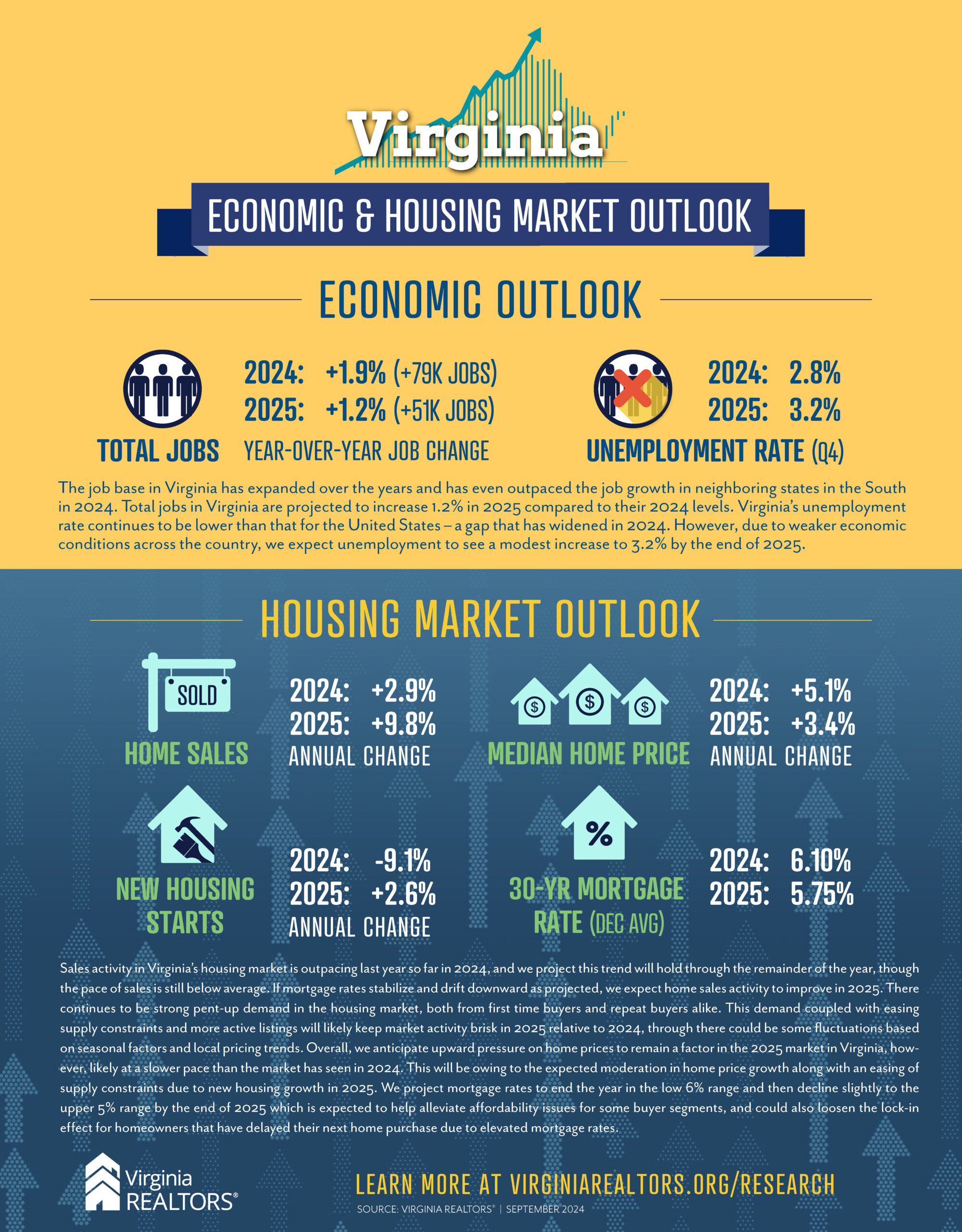
Currently, we're observing a market that's still adjusting to the aftershocks of recent economic events. Inflation, while showing signs of easing, remains a concern. Interest rates, which significantly impact mortgage affordability, have been on the rise, cooling down what was once a red-hot seller's market. Inventory levels, though increasing slightly, are still below historical averages in many areas, creating a persistent supply-demand imbalance. These factors, combined with evolving consumer confidence and demographic shifts, paint a complex picture of the present housing market.
Key Economic Indicators Influencing the 2025 Housing Market
Forecasting the housing market in 2025 requires careful consideration of several key economic indicators. These indicators provide valuable insights into the potential direction of the market and the factors that will drive its performance.
Interest Rates: The Affordability Factor
Interest rates are arguably the most significant factor influencing housing affordability. As interest rates rise, the cost of borrowing money for a mortgage increases, making it more expensive for potential homebuyers. This can lead to a decrease in demand, which can subsequently put downward pressure on home prices. Conversely, lower interest rates can stimulate demand and drive up prices. In 2025, the trajectory of interest rates will largely depend on the Federal Reserve's monetary policy decisions, which will be influenced by inflation, employment data, and overall economic growth. Most forecasts suggest that interest rates will likely stabilize or potentially see slight decreases, but the exact timing and magnitude remain uncertain.
Inflation: Eroding Purchasing Power
Inflation erodes purchasing power and impacts the housing market in several ways. Higher inflation leads to increased costs for building materials and labor, which can drive up the price of new construction. It also affects household budgets, potentially reducing the amount of money available for down payments and mortgage payments. If inflation remains elevated, it could further constrain housing affordability and dampen demand. However, if inflation continues to moderate, as many economists predict, it could provide some relief to homebuyers and support a more stable housing market.
GDP Growth: A Measure of Economic Health
Gross Domestic Product (GDP) growth is a broad measure of a country's economic health. Strong GDP growth typically translates to increased employment, higher incomes, and greater consumer confidence, all of which can positively impact the housing market. A robust economy encourages people to buy homes, driving up demand and prices. Conversely, a recession or period of slow GDP growth can weaken the housing market, leading to decreased demand and potentially lower prices. The projected GDP growth for 2025 is expected to be moderate, suggesting a stable but not necessarily booming housing market.
Unemployment Rate: A Gauge of Job Security
The unemployment rate is a critical indicator of job security, which directly impacts people's ability to afford housing. A low unemployment rate signifies a strong job market, providing individuals with the confidence to make significant financial commitments like buying a home. Conversely, a high unemployment rate can lead to decreased demand for housing as people become more cautious about their finances. Economists predict a relatively stable unemployment rate in 2025, suggesting a continued level of job security that could support the housing market.
Housing Inventory: Supply and Demand Dynamics
The balance between housing supply and demand is a fundamental driver of home prices. When demand exceeds supply, prices tend to rise, creating a seller's market. Conversely, when supply exceeds demand, prices tend to fall, creating a buyer's market. The housing market has been characterized by low inventory levels for several years, contributing to rising prices. While inventory has been gradually increasing, it remains below historical averages in many areas. The pace at which new homes are built and existing homes are put on the market will significantly impact the housing market in 2025. An increase in housing inventory could help to moderate price growth and create a more balanced market.
Demographic Trends Shaping Housing Demand in 2025
Demographic trends play a crucial role in shaping housing demand. Understanding these trends can provide valuable insights into the types of housing that will be in demand and the locations where that demand will be strongest.
Millennial and Gen Z Homebuyers: The Next Wave
Millennials and Gen Z represent a significant portion of the potential homebuyer pool. Their preferences and priorities will heavily influence the housing market in 2025. These generations tend to value urban living, access to amenities, and sustainable housing options. They are also more likely to be influenced by technology and seek homes with smart features. As these generations continue to age and enter their prime homebuying years, their demand for housing will continue to shape the market.
Remote Work and Location Preferences
The rise of remote work has had a profound impact on location preferences. With more people able to work from anywhere, the demand for homes in suburban and rural areas has increased. This trend is likely to continue in 2025, as many companies have adopted permanent or hybrid remote work policies. This shift in location preferences could lead to a decline in demand for homes in some urban areas and an increase in demand in more affordable and less densely populated areas.
Aging Population and Downsizing
As the population ages, the demand for smaller, more accessible homes is likely to increase. Many older adults are looking to downsize from their larger family homes to smaller properties that are easier to maintain. This trend could create opportunities for developers to build more age-restricted communities and smaller, more manageable homes in desirable locations.
Regional Variations in the Housing Market
It's important to remember that the housing market is not monolithic. Conditions can vary significantly from region to region, and even from city to city. Factors such as local economies, population growth, and housing supply can all contribute to regional variations in the housing market.
High-Growth Areas: Continued Demand and Price Appreciation
Some regions are experiencing rapid population growth and strong economic activity, leading to continued demand for housing and price appreciation. These areas often have a strong job market, a desirable quality of life, and limited housing supply. Examples of high-growth areas include parts of the Sun Belt, such as Texas, Florida, and Arizona.
Slower-Growth Areas: Opportunities for Affordability
Other regions are experiencing slower population growth and weaker economic activity, which can create opportunities for affordability. These areas may have a surplus of housing supply and lower home prices compared to high-growth areas. Examples of slower-growth areas include parts of the Midwest and Northeast.
Potential Risks and Uncertainties in the 2025 Housing Market
While forecasts can provide valuable insights, it's important to acknowledge the potential risks and uncertainties that could impact the housing market in 2025.
Geopolitical Instability
Geopolitical events, such as wars, political instability, and trade disputes, can have a significant impact on the global economy and the housing market. These events can disrupt supply chains, increase inflation, and create economic uncertainty, all of which can negatively affect housing demand and prices.
Unexpected Economic Shocks
Unexpected economic shocks, such as a sudden recession or a financial crisis, can also have a significant impact on the housing market. These events can lead to job losses, decreased consumer confidence, and a decline in housing demand.
Changes in Government Policy
Changes in government policy, such as tax laws, housing regulations, and mortgage lending standards, can also impact the housing market. These changes can affect affordability, demand, and the overall stability of the market.

0 Comments