
Understanding Your Debt-to-Income Ratio (DTI)
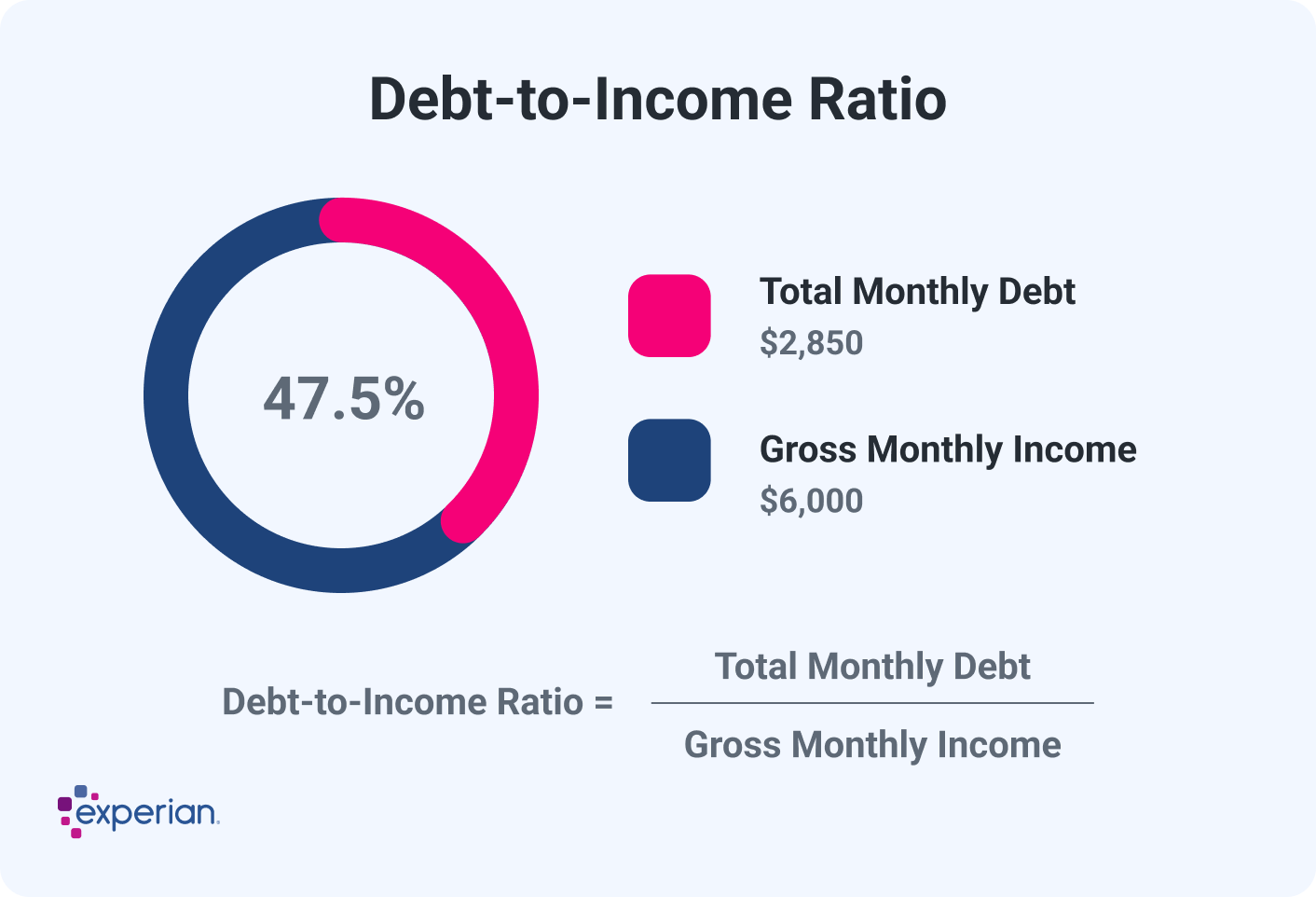
The debt-to-income ratio (DTI) is a crucial financial metric that lenders use to assess your ability to manage monthly debt payments. It’s a percentage that compares your total monthly debt payments to your gross monthly income. Understanding your DTI is essential for anyone looking to apply for a loan, mortgage, or credit card. A lower DTI generally indicates a healthier financial situation and increases your chances of approval at favorable interest rates.
Why is DTI Important?
Your DTI provides lenders with a clear picture of how much of your income is already committed to debt payments. This helps them determine the risk involved in lending you money. A high DTI suggests that you may struggle to meet your financial obligations, making lenders hesitant to approve your application or leading to higher interest rates to compensate for the increased risk. Conversely, a low DTI demonstrates that you have sufficient income to comfortably manage your debts, making you a more attractive borrower.
How to Calculate Your DTI
Calculating your DTI is a straightforward process. Here's a step-by-step guide:
- Calculate Your Gross Monthly Income: This is the total amount of money you earn before taxes and other deductions. Include all sources of income, such as salary, wages, bonuses, and any other regular income you receive.
- Calculate Your Total Monthly Debt Payments: This includes all recurring debt payments, such as:
- Mortgage payments (including principal, interest, property taxes, and homeowner's insurance)
- Rent payments
- Credit card payments
- Student loan payments
- Auto loan payments
- Personal loan payments
- Child support or alimony payments
- Divide Your Total Monthly Debt Payments by Your Gross Monthly Income: The result is your DTI ratio, expressed as a decimal.
- Multiply the Decimal by 100 to Express as a Percentage: This gives you your DTI percentage.
Formula: (Total Monthly Debt Payments / Gross Monthly Income) x 100 = DTI Percentage
Example: If your gross monthly income is $5,000 and your total monthly debt payments are $1,500, your DTI would be ($1,500 / $5,000) x 100 = 30%
What is a Good DTI Ratio?
The ideal DTI ratio varies depending on the lender and the type of loan you're applying for. However, here's a general guideline:
- Excellent: 36% or less. This indicates that you have a good balance between income and debt. Lenders generally view this as a low-risk profile.
- Good: 37% to 43%. This is still considered a manageable level of debt. You likely have room in your budget for unexpected expenses.
- Fair: 44% to 49%. This range may raise some concerns for lenders. You may face higher interest rates or stricter loan terms.
- Poor: 50% or higher. This indicates that a significant portion of your income is dedicated to debt payments. Lenders may be hesitant to approve your application.
Using a Debt-to-Income Ratio Calculator
While the calculation itself is simple, using a debt-to-income ratio calculator can streamline the process and provide you with instant results. These calculators are readily available online and typically require you to input your gross monthly income and your total monthly debt payments. The calculator then automatically calculates your DTI percentage, saving you time and effort.
Benefits of Using a DTI Calculator:
- Accuracy: Ensures precise calculations, minimizing the risk of errors.
- Speed: Provides instant results, allowing you to quickly assess your DTI.
- Convenience: Available online, accessible from anywhere with an internet connection.
- Scenario Planning: Allows you to experiment with different income and debt scenarios to see how they impact your DTI.
How to Improve Your Debt-to-Income Ratio
If your DTI is higher than you'd like, there are several strategies you can employ to improve it:
1. Increase Your Income
Increasing your income is one of the most effective ways to lower your DTI. Consider the following options:
- Negotiate a Raise: If you're performing well at your job, consider asking for a raise.
- Find a Higher-Paying Job: Research and apply for jobs that offer better compensation.
- Start a Side Hustle: Explore opportunities to earn extra income through freelancing, consulting, or other part-time ventures.
2. Reduce Your Debt
Reducing your debt burden can also significantly improve your DTI. Here are some strategies to consider:
- Pay Down High-Interest Debt: Focus on paying off debts with the highest interest rates first, such as credit card debt.
- Consolidate Debt: Consider consolidating your debts into a single loan with a lower interest rate.
- Balance Transfer: Transfer balances from high-interest credit cards to cards with lower interest rates.
- Avoid Taking on New Debt: Refrain from accumulating more debt until you've lowered your existing DTI.
3. Budgeting and Expense Tracking
Creating a budget and tracking your expenses can help you identify areas where you can cut back on spending and allocate more funds towards debt repayment. There are many budgeting apps and tools available online that can help you manage your finances effectively.
4. Refinance Your Mortgage
If you're a homeowner, refinancing your mortgage to a lower interest rate can reduce your monthly mortgage payments, thereby lowering your DTI. However, be sure to factor in any associated fees and closing costs.
DTI and Loan Approval
Lenders consider your DTI alongside other factors, such as your credit score, credit history, and employment history, when making loan approval decisions. While a low DTI is generally favorable, it's important to remember that it's just one piece of the puzzle. A strong credit score and a stable employment history can also significantly improve your chances of approval.
Conclusion
Understanding and managing your debt-to-income ratio is crucial for maintaining a healthy financial life and achieving your financial goals. By calculating your DTI, identifying areas for improvement, and implementing effective strategies, you can improve your financial standing and increase your chances of securing loans and mortgages at favorable terms. Regularly monitor your DTI and make adjustments as needed to ensure you stay on track towards financial success.

0 Comments