
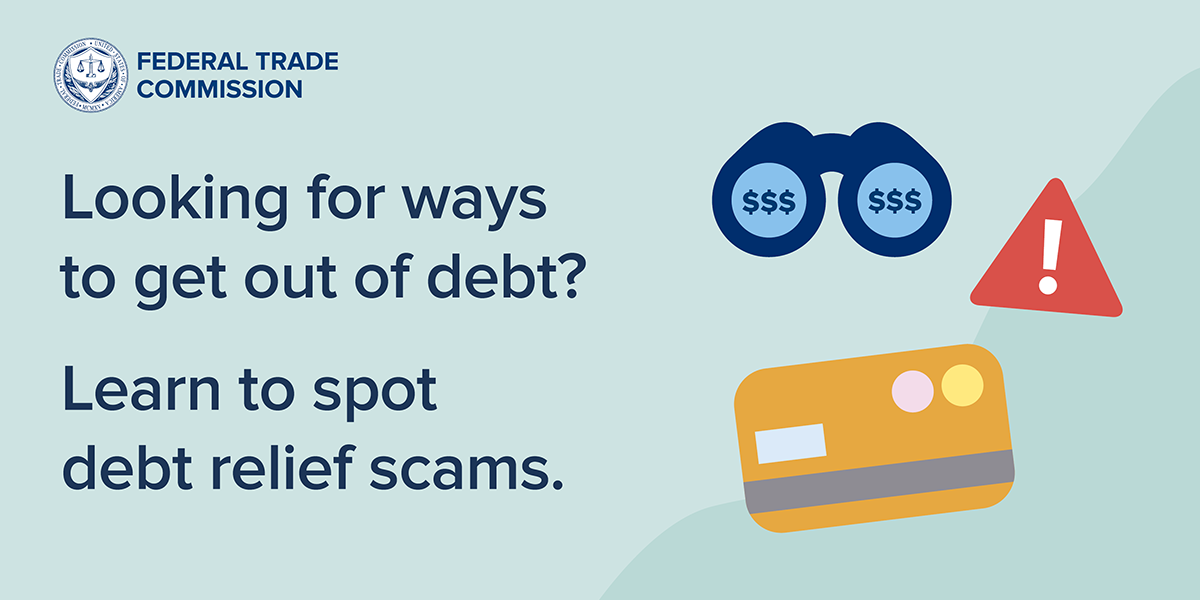
Understanding the Landscape of Debt Relief Scams
Facing overwhelming debt can be incredibly stressful, leading many to seek solutions like debt relief programs. Unfortunately, this vulnerability makes individuals prime targets for debt relief scams. These scams often promise quick fixes and significant debt reduction, but in reality, they leave victims in a worse financial situation than before. Recognizing the red flags and understanding how these scams operate is crucial for protecting yourself and your finances.
Common Debt Relief Scams: What to Watch Out For
Several types of debt relief scams are prevalent, each using different tactics to prey on individuals struggling with debt. Here are some of the most common scams and how to identify them:
Upfront Fees and Guarantees
One of the biggest red flags is a company demanding upfront fees before providing any services. Legitimate debt relief agencies typically charge fees after they've negotiated settlements or provided tangible results. Similarly, be wary of companies that guarantee specific outcomes, such as a certain percentage reduction in your debt. No legitimate agency can guarantee such results, as debt negotiation depends on various factors, including your creditors' willingness to negotiate.
The "Phantom Debt" Scam
This scam involves fraudsters contacting you about debts you don't recognize or that have already been paid off. They often use aggressive tactics and threaten legal action to pressure you into paying. Always verify the debt with the original creditor before making any payments. You can also request written validation of the debt, which the debt collector is legally required to provide.
Debt Consolidation Loan Scams
While debt consolidation loans can be a legitimate option for managing debt, scammers often use them as bait. They may offer loans with incredibly low interest rates or easy approval, but then require exorbitant upfront fees or access to your bank account. These loans often come with hidden fees and unfavorable terms, leaving you deeper in debt. Always thoroughly research the lender and read the fine print before accepting any debt consolidation loan.
Credit Repair Scams
Credit repair scams promise to fix your credit report by removing negative items, even if those items are accurate. They may ask for upfront fees or encourage you to provide false information to credit bureaus. Remember that only inaccurate or outdated information can be legally removed from your credit report. Legitimate credit repair companies focus on disputing errors and providing guidance on improving your credit score through responsible financial behavior.
Government Impersonation Scams
Scammers may impersonate government agencies or officials to gain your trust and pressure you into paying. They might claim that you're eligible for a special debt relief program or that you owe back taxes. Always verify the identity of the person contacting you and never provide personal information or payment details over the phone or email without confirming their legitimacy. Contact the actual government agency directly to confirm the validity of any claims.
Red Flags of Debt Relief Scams: Spotting the Warning Signs
Beyond the specific types of scams, there are several general red flags that can help you identify potential fraud:
- High-Pressure Sales Tactics: Scammers often use aggressive sales tactics to pressure you into signing up for their services immediately.
- Unsolicited Offers: Be wary of unsolicited offers for debt relief, especially if they come from companies you've never contacted.
- Requests for Sensitive Information: Never provide your Social Security number, bank account information, or credit card details to anyone you don't trust.
- Lack of Transparency: Legitimate debt relief agencies are transparent about their fees, services, and potential outcomes.
- Guarantees of Success: As mentioned earlier, no legitimate agency can guarantee specific results.
- Negative Reviews and Complaints: Research the company online and check for reviews and complaints with the Better Business Bureau (BBB) and other consumer protection agencies.
Protecting Yourself from Debt Relief Scams: Taking Proactive Steps
The best way to avoid debt relief scams is to be proactive and take steps to protect yourself:
Research and Verify
Before signing up for any debt relief program, thoroughly research the company. Check their credentials, read reviews, and verify their legitimacy with consumer protection agencies like the Federal Trade Commission (FTC) and your state's attorney general. Look for companies that are accredited by reputable organizations and have a proven track record of success.
Read the Fine Print
Carefully read all contracts and agreements before signing anything. Pay close attention to the fees, terms, and conditions of the program. Make sure you understand your rights and obligations before committing to anything.
Be Skeptical of Unrealistic Promises
If something sounds too good to be true, it probably is. Be wary of companies that promise quick fixes, guaranteed results, or significant debt reduction with little effort on your part.
Seek Professional Advice
Consider seeking advice from a qualified financial advisor or credit counselor before making any decisions about debt relief. They can help you assess your situation, explore your options, and develop a plan that's right for you.
Report Suspected Scams
If you suspect that you've been targeted by a debt relief scam, report it to the FTC, your state's attorney general, and the BBB. Reporting scams can help protect others from falling victim to similar schemes.
Legitimate Debt Relief Options: Exploring Your Alternatives
While debt relief scams are a serious concern, there are legitimate options available to help you manage your debt. These include:
Credit Counseling
Nonprofit credit counseling agencies offer free or low-cost counseling services to help you develop a budget, manage your debt, and explore your options. They can also help you negotiate with creditors and develop a debt management plan.
Debt Management Plans (DMPs)
A DMP is a structured repayment plan that consolidates your debts into a single monthly payment. Credit counseling agencies often administer DMPs, working with your creditors to lower your interest rates and waive fees.
Debt Consolidation Loans
A debt consolidation loan allows you to combine multiple debts into a single loan with a lower interest rate. This can simplify your payments and potentially save you money on interest charges. However, be sure to compare offers from multiple lenders and understand the terms and conditions of the loan.
Bankruptcy
Bankruptcy is a legal process that can provide relief from debt. It can be a complex and serious decision, so it's important to consult with a bankruptcy attorney to understand the potential consequences.

0 Comments