
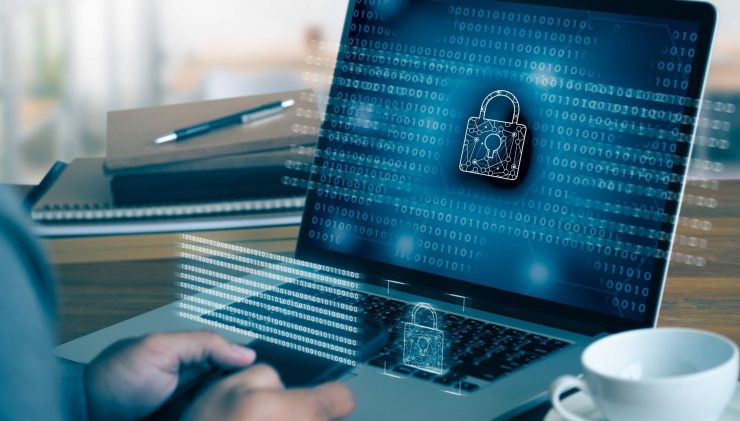
The Growing Need for Cyber Liability Insurance in a Remote World
The shift to remote work has brought numerous benefits, from increased employee flexibility to reduced overhead costs. However, it has also significantly expanded the attack surface for cybercriminals. With employees accessing sensitive data from personal devices and home networks, businesses face a heightened risk of cyberattacks and data breaches. This makes cyber liability insurance for a remote workforce more critical than ever before.
Understanding Cyber Liability Risks in a Remote Work Environment
A remote workforce introduces a unique set of cybersecurity challenges. These risks stem from a variety of factors, including:
Unsecured Home Networks
Employees working from home often rely on their personal Wi-Fi networks, which may lack the robust security measures found in corporate networks. Weak passwords, outdated routers, and a lack of firewalls can create vulnerabilities that cybercriminals can exploit to gain access to sensitive company data.
Use of Personal Devices
While some companies provide employees with company-owned devices, many remote workers use their personal laptops, tablets, and smartphones for work-related tasks. These devices may not have the latest security patches or antivirus software, making them susceptible to malware and phishing attacks.
Increased Phishing Susceptibility
Remote workers are often more vulnerable to phishing attacks due to the lack of in-person oversight and the increased reliance on email and online communication. Cybercriminals can exploit this vulnerability by sending convincing phishing emails that trick employees into revealing sensitive information or clicking on malicious links.
Data Security Compliance
Maintaining data security compliance can be more challenging with a remote workforce. Ensuring that all employees understand and adhere to company policies regarding data protection and privacy is crucial, but it requires ongoing training and monitoring.
What Does Cyber Liability Insurance Cover?
Cyber liability insurance is designed to protect businesses from the financial losses associated with cyberattacks and data breaches. The specific coverage provided by a policy can vary, but common coverages include:
Data Breach Response Costs
This coverage helps businesses cover the costs associated with responding to a data breach, such as forensic investigations, legal fees, notification expenses (informing affected individuals), and credit monitoring services.
Liability Claims
If a data breach results in lawsuits from affected customers, employees, or business partners, cyber liability insurance can cover the costs of defending against these claims and paying any settlements or judgments.
Business Interruption Losses
A cyberattack can disrupt business operations, leading to lost revenue and productivity. Cyber liability insurance can help cover these business interruption losses.
Cyber Extortion
If a business is the victim of a ransomware attack, cyber liability insurance can cover the costs of negotiating with the cybercriminals and paying the ransom (although some policies may have limitations on this coverage).
Regulatory Fines and Penalties
Data breaches can result in regulatory fines and penalties, particularly if sensitive personal information is compromised. Cyber liability insurance can help cover these costs.
Choosing the Right Cyber Liability Insurance Policy for Your Remote Workforce
Selecting the right cyber liability insurance policy for your business requires careful consideration of your specific needs and risks. Here are some factors to keep in mind:
Assess Your Risks
Before purchasing cyber liability insurance, conduct a thorough risk assessment to identify your vulnerabilities and potential exposures. This assessment should consider the types of data you handle, the security measures you have in place, and the potential impact of a data breach on your business.
Understand the Policy Coverage
Carefully review the policy terms and conditions to understand the scope of coverage. Pay attention to exclusions and limitations, and make sure the policy provides adequate coverage for your specific risks.
Consider the Policy Limits
Choose policy limits that are sufficient to cover the potential costs of a data breach. Consider factors such as the number of records you maintain, the potential legal fees, and the potential business interruption losses.
Look for Additional Services
Some cyber liability insurance policies offer additional services, such as risk management tools, data breach prevention training, and incident response planning. These services can be valuable in helping you protect your business from cyberattacks.
Work with a Knowledgeable Insurance Broker
A qualified insurance broker can help you navigate the complex world of cyber liability insurance and find a policy that meets your specific needs. Look for a broker who has experience in cybersecurity and understands the unique risks associated with a remote workforce.
Beyond Insurance: Proactive Cybersecurity Measures for Remote Teams
While cyber liability insurance is an essential safety net, it's not a substitute for proactive cybersecurity measures. Here are some steps you can take to protect your remote workforce from cyber threats:
Implement Strong Authentication
Enforce strong passwords and multi-factor authentication (MFA) for all accounts and applications. MFA adds an extra layer of security by requiring users to provide two or more forms of authentication, such as a password and a code sent to their mobile phone.
Provide Cybersecurity Training
Regularly train your remote employees on cybersecurity best practices, including how to identify phishing emails, avoid malware, and protect sensitive data. Make sure training is engaging and relevant to their day-to-day tasks.
Secure Remote Access
Use a virtual private network (VPN) to encrypt all data transmitted between remote devices and your corporate network. This helps protect sensitive information from being intercepted by cybercriminals.
Update Software Regularly
Ensure that all software, including operating systems, applications, and antivirus software, is kept up to date with the latest security patches. Automate the patching process whenever possible.
Implement Data Loss Prevention (DLP) Measures
DLP tools can help prevent sensitive data from leaving your organization's control. These tools can monitor data in use, in transit, and at rest, and block unauthorized data transfers.
Establish Clear Data Security Policies
Develop and enforce clear data security policies that outline employees' responsibilities for protecting sensitive information. These policies should cover topics such as password management, data storage, and device security.
Regularly Back Up Data
Back up your data regularly to a secure location. This will allow you to restore your data in the event of a cyberattack or data breach.
The Future of Cyber Liability Insurance for Remote Work
As remote work becomes increasingly prevalent, cyber liability insurance will continue to evolve to meet the changing needs of businesses. We can expect to see more specialized policies that address the unique risks associated with remote work, as well as increased integration of cybersecurity services into insurance offerings. By understanding the risks and taking proactive steps to protect their remote workforces, businesses can mitigate their cyber liability exposure and ensure their long-term success in the digital age.

0 Comments