
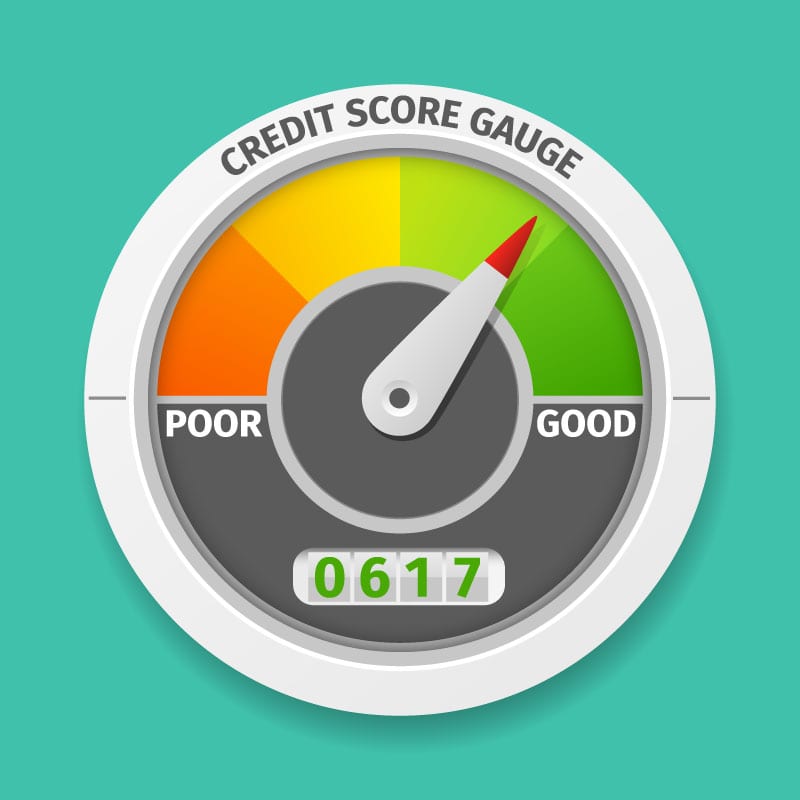
Understanding the Impact of Debt on Your Credit Score
Debt can significantly impact your credit score. High credit card balances, missed payments, and defaults all contribute to a lower score. A poor credit score can affect your ability to secure loans, rent an apartment, or even get a job. Understanding how debt affects your credit is the first step towards improving your financial situation.
Your credit score is a numerical representation of your creditworthiness, reflecting your history of borrowing and repaying debts. Lenders use this score to assess the risk of lending you money. A higher score indicates a lower risk, making you more likely to be approved for loans and credit cards with favorable terms. Conversely, a lower score signals a higher risk, potentially leading to loan denials or higher interest rates.
Several factors contribute to your credit score, with payment history being the most significant. Consistent on-time payments demonstrate responsible borrowing behavior and positively impact your score. Conversely, late payments, defaults, and bankruptcies can severely damage your credit. The amount of debt you carry, known as your credit utilization ratio, also plays a crucial role. Keeping your credit card balances low relative to your credit limits is essential for maintaining a healthy score.
What is Credit Counseling?
Credit counseling is a service offered by non-profit organizations to help individuals manage their debt and improve their financial literacy. These organizations provide guidance on budgeting, debt management, and credit repair. Credit counselors work with you to assess your financial situation, develop a personalized plan, and offer resources to help you achieve your financial goals.
Unlike debt settlement companies that aim to negotiate lower debt amounts, credit counseling focuses on helping you repay your debts in full through structured repayment plans. Credit counselors provide education and support to empower you to make informed financial decisions and regain control of your finances. They can also help you understand your rights as a consumer and navigate the complexities of the credit system.
A reputable credit counseling agency will be accredited by a recognized organization, such as the National Foundation for Credit Counseling (NFCC) or the Financial Counseling Association of America (FCAA). Accreditation ensures that the agency adheres to ethical standards and provides quality services. Be wary of companies that promise quick fixes or charge excessive fees, as these may be scams.
How Credit Counseling Can Help Improve Your Credit Score After Debt
Credit counseling offers several avenues for improving your credit score after accumulating debt. Here's how it can help:
Debt Management Plans (DMPs)
One of the primary services offered by credit counseling agencies is the creation of Debt Management Plans (DMPs). A DMP is a structured repayment plan that consolidates your debts into a single monthly payment. The credit counselor works with your creditors to negotiate lower interest rates and waive certain fees, making it easier for you to repay your debts.
By enrolling in a DMP, you demonstrate a commitment to repaying your debts, which can positively impact your credit score over time. Consistent on-time payments through the DMP will gradually improve your payment history, the most important factor in your credit score. Furthermore, the reduced interest rates can help you pay down your debt faster, freeing up more of your income for other financial goals.
It's important to note that not all creditors participate in DMPs. Your credit counselor will assess your debts and determine which creditors are willing to work with the DMP. Before enrolling, carefully review the terms of the DMP and ensure that you can afford the monthly payments.
Budgeting and Financial Education
Credit counseling provides valuable education on budgeting, money management, and credit repair. Learning how to create a budget, track your expenses, and prioritize your financial goals is crucial for long-term financial stability. Credit counselors can teach you practical strategies for managing your money effectively and avoiding future debt.
Understanding your credit report and score is also essential for improving your creditworthiness. Credit counselors can help you review your credit report, identify errors, and develop a plan to address any negative items. They can also explain how different factors impact your credit score and provide guidance on building a positive credit history.
By gaining a better understanding of your finances and developing sound money management habits, you can take control of your financial future and improve your credit score.
Negotiating with Creditors
Credit counselors can act as intermediaries between you and your creditors, negotiating on your behalf to lower interest rates, waive fees, and establish affordable payment plans. Their expertise and experience in dealing with creditors can be invaluable in resolving debt issues and avoiding further damage to your credit score.
Even if you are not enrolled in a DMP, a credit counselor can still assist you in negotiating with your creditors. They can help you understand your options, prepare a persuasive case, and communicate effectively with creditors to reach a mutually agreeable solution. This can be particularly helpful if you are facing financial hardship due to job loss, medical expenses, or other unforeseen circumstances.
Preventing Future Debt
A key goal of credit counseling is to help you develop sustainable financial habits that prevent future debt accumulation. Credit counselors can provide personalized guidance on avoiding overspending, managing credit card usage, and building an emergency fund. They can also help you identify and address any underlying financial issues that may be contributing to your debt problems.
By learning how to live within your means, prioritize your spending, and save for the future, you can avoid the cycle of debt and build a solid financial foundation. Credit counseling empowers you to take control of your finances and make informed decisions that support your long-term financial well-being.
Finding a Reputable Credit Counseling Agency
Choosing the right credit counseling agency is crucial for a successful outcome. Here are some tips for finding a reputable agency:
- Accreditation: Look for agencies accredited by the NFCC or FCAA.
- Non-profit Status: Choose a non-profit agency, as they are more likely to prioritize your best interests.
- Fees: Inquire about fees and ensure they are reasonable and transparent.
- Counselor Qualifications: Ask about the qualifications and experience of the credit counselors.
- Reviews: Check online reviews and ratings to gauge the agency's reputation.
Avoid agencies that make unrealistic promises, pressure you to sign up immediately, or charge excessive fees upfront. A reputable credit counseling agency will provide a free initial consultation and offer personalized guidance based on your specific financial situation.

0 Comments