
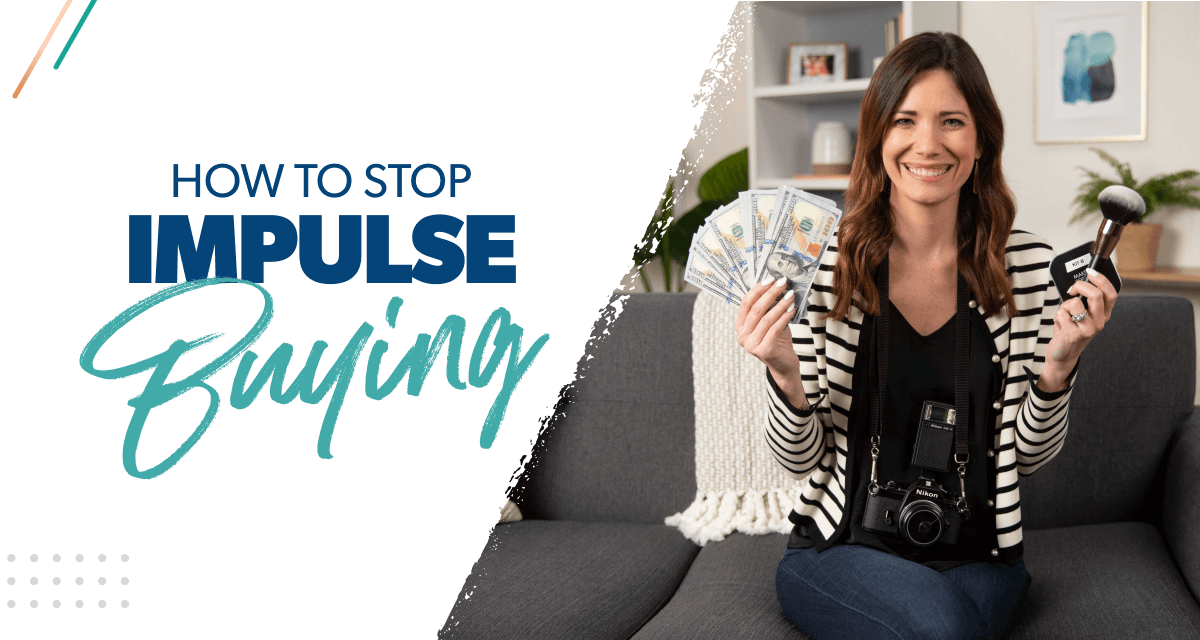
Understanding Emotional Spending and Impulsive Purchases
We've all been there. You're feeling down, stressed, or even overly excited, and suddenly you find yourself adding items to your online shopping cart or swiping your credit card at the checkout counter. This is often driven by emotions rather than a well-thought-out need, and it's known as emotional spending or impulsive purchasing. Understanding the root causes of these behaviors is the first step towards gaining control of your finances.
What is Emotional Spending?
Emotional spending is using purchases as a way to cope with or regulate your feelings. It's a temporary fix that provides a fleeting sense of pleasure or relief, but it often leads to regret, guilt, and financial strain in the long run. Common triggers include stress, boredom, sadness, loneliness, and even happiness. When you're emotionally vulnerable, your brain's reward system kicks in, making the act of buying something feel good, even if you don't truly need it.
What are Impulsive Purchases?
Impulsive purchases are unplanned, spur-of-the-moment buys. They're often triggered by external factors like enticing marketing, sales promotions, or simply seeing something that catches your eye. Unlike emotional spending, which is driven by internal feelings, impulsive purchases are more about the immediate gratification of acquiring something new, regardless of whether it fits into your budget or long-term financial goals.
Identifying Your Spending Triggers
The key to avoiding emotional spending and impulsive purchases lies in identifying your personal triggers. What situations, emotions, or external factors make you more likely to reach for your wallet without thinking? Once you understand your triggers, you can develop strategies to manage them effectively.
Keep a Spending Diary
Track your spending habits for a week or two. Note down every purchase you make, no matter how small. More importantly, record how you were feeling before, during, and after the purchase. Were you stressed at work? Were you celebrating a personal achievement? Were you simply bored and scrolling through social media? This exercise will help you identify patterns and pinpoint the emotions or situations that lead to impulsive spending. For example, you might notice that you tend to overspend when you're feeling stressed about deadlines or when you're scrolling through Instagram and seeing influencers promoting products.
Recognize Emotional Cues
Pay attention to your physical and emotional cues. Do you feel your heart racing when you see a "limited-time offer"? Do you start feeling restless and bored when you're stuck at home on a rainy day? Recognizing these early warning signs can help you intervene before you make an impulsive purchase. When you notice these feelings, take a step back and ask yourself: "Am I really buying this because I need it, or am I trying to fill an emotional void?"
Analyze Your Shopping Habits
Reflect on your past purchases. Are there certain types of products or retailers that you're more prone to overspending on? Do you tend to shop online more than in-store? Understanding your shopping habits can help you avoid tempting situations. For instance, if you know you're easily swayed by online advertisements for clothing, you might consider unsubscribing from email newsletters and limiting your time on social media.
Strategies to Curb Emotional Spending and Impulsive Purchases
Once you've identified your triggers, it's time to implement strategies to manage them effectively. Here are some practical tips to help you curb emotional spending and impulsive purchases:
Create a Budget and Stick to It
A well-defined budget is your financial roadmap. It helps you allocate your money wisely and prioritize your needs over your wants. When you have a clear understanding of your income and expenses, you're less likely to make impulsive purchases that derail your financial goals. Use budgeting apps or spreadsheets to track your spending and stay on track. Allocate a specific amount for discretionary spending, and once that amount is gone, resist the urge to overspend.
Implement the "24-Hour Rule"
Before making any non-essential purchase, wait 24 hours (or even longer for larger purchases). This cooling-off period allows you to evaluate whether you truly need the item or if you're simply acting on impulse. Often, the urge to buy will subside after a day or two, and you'll realize that you didn't need the item in the first place. This is especially helpful for online shopping, where it's easy to add items to your cart and check out without thinking.
Unsubscribe from Marketing Emails and Limit Social Media Exposure
Marketing emails and social media advertisements are designed to trigger impulsive buying. Unsubscribing from these emails and limiting your time on social media can significantly reduce your exposure to tempting offers. Consider using website blockers or social media management apps to restrict your access to these platforms.
Find Healthy Coping Mechanisms
If you're using shopping to cope with negative emotions, find healthier alternatives. Engage in activities that bring you joy and help you manage stress, such as exercise, meditation, spending time with loved ones, or pursuing a hobby. These activities can provide a sense of fulfillment and satisfaction without costing you money.
Use Cash or Debit Cards Instead of Credit Cards
Credit cards make it easy to overspend because you're not immediately feeling the impact of your purchases. Using cash or debit cards forces you to be more mindful of your spending, as you're directly seeing the money leaving your account. Consider using the envelope budgeting system, where you allocate cash for specific categories and only spend what's in the envelope.
Seek Support from Friends or Family
Talk to your friends or family about your emotional spending and impulsive buying habits. They can provide support, accountability, and encouragement as you work towards improving your financial habits. Consider finding a financial mentor or joining a support group where you can share your experiences and learn from others.
Avoid Shopping When You're Emotional or Tired
When you're feeling emotional or tired, your decision-making abilities are impaired, making you more susceptible to impulsive purchases. Avoid shopping when you're feeling stressed, sad, angry, or exhausted. Instead, focus on taking care of yourself and addressing your emotional needs.
Visualize Your Financial Goals
Keep your long-term financial goals in mind. Visualize yourself achieving these goals, whether it's buying a house, traveling the world, or retiring comfortably. When you're tempted to make an impulsive purchase, remind yourself of your goals and how that purchase will impact your ability to achieve them. This can help you prioritize your long-term financial well-being over immediate gratification.

0 Comments