
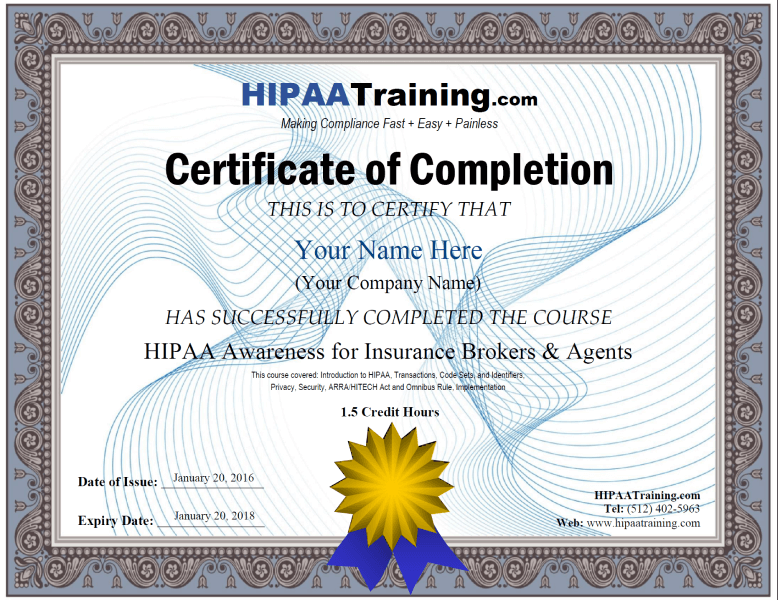
Understanding the Importance of Compliance Training for Insurance Agents
The insurance industry is heavily regulated, and for good reason. It's built on trust and the promise of financial security. Insurance agents play a crucial role in upholding this trust, and compliance training is the cornerstone of ensuring they do so ethically and within the bounds of the law. Compliance training isn't just a box to be checked; it's an ongoing process that equips agents with the knowledge and skills necessary to navigate the complex regulatory landscape and provide sound advice to their clients.
Why is Compliance Training Essential?
Several factors contribute to the critical importance of compliance training for insurance agents:
Mitigating Legal Risks
The insurance industry is subject to a myriad of federal and state regulations. Failure to comply with these regulations can result in severe penalties, including fines, license revocation, and even legal action. Compliance training helps agents understand these regulations and avoid unintentional violations, protecting both themselves and their agencies from potential legal repercussions.
Protecting Consumers
Insurance products can be complex, and consumers often rely on agents to guide them through the process of selecting the right coverage. Compliance training ensures that agents understand their ethical obligations to clients, including providing accurate information, avoiding misrepresentation, and acting in the client's best interest. This protects consumers from being taken advantage of and fosters trust in the insurance industry.
Maintaining Professional Standards
Compliance training helps agents stay up-to-date on the latest industry best practices and ethical standards. This not only enhances their professional reputation but also allows them to provide more effective and valuable service to their clients. By adhering to high standards of conduct, agents contribute to the overall integrity and trustworthiness of the insurance profession.
Meeting Continuing Education Requirements
Many states require insurance agents to complete continuing education (CE) courses to maintain their licenses. Compliance training often qualifies for CE credit, making it a convenient and efficient way for agents to meet their licensing requirements while simultaneously enhancing their knowledge and skills.
Key Areas Covered in Compliance Training
Effective compliance training programs for insurance agents typically cover a wide range of topics, including:
Federal and State Regulations
This includes understanding key laws such as the Health Insurance Portability and Accountability Act (HIPAA), the Gramm-Leach-Bliley Act (GLBA), and various state-specific insurance regulations. Agents need to be aware of the requirements of these laws and how they impact their daily activities.
Anti-Money Laundering (AML)
Insurance companies are increasingly being targeted by money launderers, and agents play a crucial role in detecting and preventing these activities. Compliance training should cover AML regulations and best practices for identifying and reporting suspicious transactions.
Sales Practices and Ethics
This includes training on ethical sales techniques, avoiding misrepresentation, and ensuring that clients fully understand the terms and conditions of their insurance policies. Agents should be trained on how to handle conflicts of interest and provide unbiased advice.
Data Privacy and Security
Insurance agents handle sensitive personal information, making data privacy and security a critical concern. Compliance training should cover best practices for protecting client data, including complying with privacy regulations and implementing security measures to prevent data breaches.
Market Conduct
Market conduct refers to the way insurance companies and agents interact with consumers. Training on market conduct helps agents understand fair and ethical practices related to advertising, sales, underwriting, and claims handling.
Suitability
Suitability training ensures agents understand their responsibility to recommend products that are appropriate for their clients' needs and financial situations. Agents must gather sufficient information to assess a client's risk tolerance, financial goals, and insurance needs before recommending a particular product.
Benefits of a Robust Compliance Training Program
Investing in a comprehensive compliance training program offers numerous benefits for insurance agencies and their agents:
Reduced Risk of Legal and Regulatory Penalties
By ensuring that agents understand and comply with applicable laws and regulations, agencies can significantly reduce their risk of facing fines, lawsuits, and other penalties.
Enhanced Reputation and Trust
A strong commitment to compliance demonstrates an agency's dedication to ethical conduct and client protection, enhancing its reputation and building trust with consumers.
Improved Agent Performance
Compliance training equips agents with the knowledge and skills they need to perform their jobs effectively and ethically, leading to improved sales performance and customer satisfaction.
Increased Employee Retention
Providing ongoing compliance training demonstrates an agency's investment in its employees' professional development, which can boost morale and increase employee retention.
Choosing the Right Compliance Training Program
Selecting the right compliance training program is crucial for ensuring its effectiveness. Consider the following factors when evaluating different programs:
Relevance
The training program should be tailored to the specific needs of insurance agents and the types of insurance products they sell. It should cover the most relevant laws, regulations, and ethical considerations.
Engaging Content
The training content should be engaging and easy to understand. Look for programs that use a variety of learning methods, such as videos, interactive exercises, and case studies.
Accessibility
The training program should be easily accessible to agents, whether online or in person. Consider programs that offer flexible scheduling options to accommodate busy schedules.
Up-to-Date Information
Insurance regulations are constantly evolving, so it's important to choose a training program that is regularly updated to reflect the latest changes.
Tracking and Reporting
The training program should include features for tracking agent progress and generating reports to demonstrate compliance with regulatory requirements.
Implementing an Effective Compliance Training Strategy
Implementing a successful compliance training strategy requires more than just selecting the right program. It also involves creating a culture of compliance within the agency and ensuring that agents are actively engaged in the training process.
Establish a Culture of Compliance
Leadership must demonstrate a strong commitment to compliance and communicate its importance to all employees. This can be achieved by creating a clear code of ethics, providing regular training updates, and rewarding employees for ethical behavior.
Make Training Mandatory
All insurance agents should be required to complete compliance training on a regular basis. This ensures that everyone is aware of their obligations and that the agency is meeting its regulatory requirements.
Provide Ongoing Support
Compliance training should not be a one-time event. Provide ongoing support to agents by offering access to resources, answering questions, and providing regular updates on regulatory changes.
Monitor and Evaluate Effectiveness
Regularly monitor and evaluate the effectiveness of the compliance training program. This can be done by tracking agent performance, conducting audits, and soliciting feedback from agents.
Conclusion
Compliance training is an indispensable investment for insurance agencies. It not only mitigates legal risks and protects consumers but also enhances professional standards and fosters a culture of ethical conduct. By prioritizing compliance training, agencies can build a stronger, more trustworthy reputation and ensure long-term success in the ever-evolving insurance landscape. A well-structured and implemented compliance program is not just a regulatory requirement; it's a strategic advantage.

0 Comments