
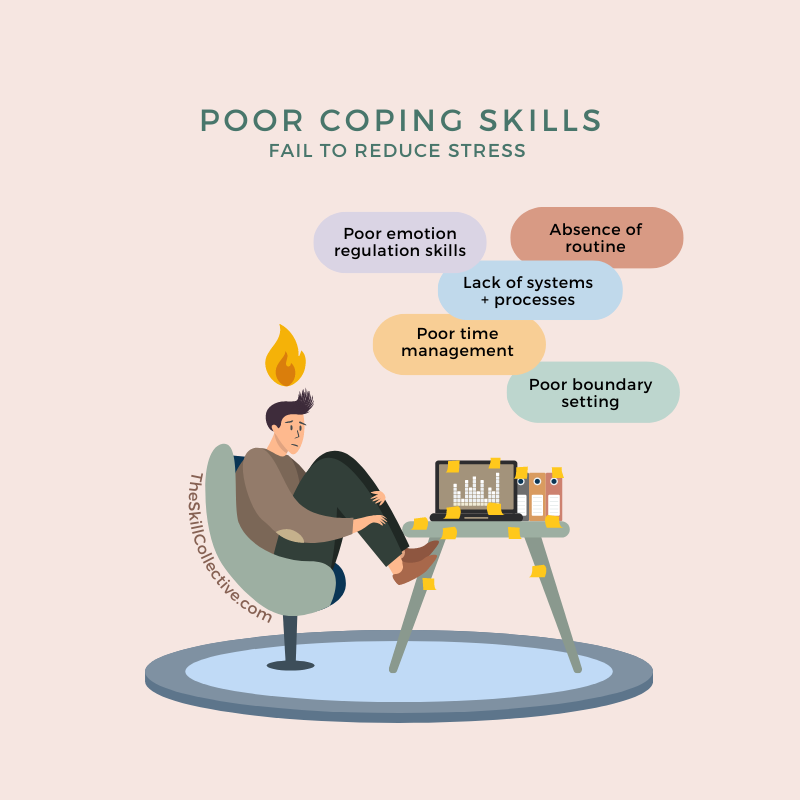
The Allure of FIRE and the Reality of Burnout
The Financial Independence, Retire Early (FIRE) movement has gained immense popularity in recent years. The promise of escaping the traditional 9-to-5 grind and achieving financial freedom resonates deeply with many, especially those feeling overwhelmed by the pressures of modern work life. However, the relentless pursuit of aggressive savings and investment strategies can often lead to burnout, negating the very peace of mind FIRE aims to achieve. This is where the concept of a career change to a lower stress job comes into play, offering a more sustainable and enjoyable path to financial independence.
Why High-Stress Jobs Hinder Your FIRE Journey
While high-paying, high-stress jobs can certainly accelerate your savings rate in the short term, they often come at a significant cost. Chronic stress can lead to a variety of health problems, including anxiety, depression, cardiovascular disease, and weakened immune system. These health issues not only diminish your quality of life but can also incur substantial medical expenses, directly impacting your FIRE goals. Furthermore, high-stress environments often lead to decreased productivity, strained relationships, and a general sense of dissatisfaction, making the FIRE journey feel like a constant uphill battle.
Identifying Your Stress Triggers at Work
Before embarking on a career change, it's crucial to identify the specific aspects of your current job that contribute to your stress levels. Is it the long hours, demanding clients, constant deadlines, toxic work environment, or lack of autonomy? Understanding your stress triggers will help you make informed decisions about the type of lower stress job that would be a better fit for your personality and lifestyle. Consider keeping a journal to track your daily tasks and note when you feel stressed, anxious, or overwhelmed. This will provide valuable insights into the root causes of your work-related stress.
What Constitutes a "Lower Stress" Job?
The definition of a "lower stress" job is subjective and varies depending on individual preferences and tolerance levels. However, some common characteristics of lower stress roles include:
- Flexible hours and work arrangements: Jobs that offer flexible schedules, remote work options, or compressed workweeks can provide greater control over your time and reduce the pressure of adhering to rigid deadlines.
- Less demanding responsibilities: Roles that involve routine tasks, minimal client interaction, or limited decision-making authority can be less mentally taxing.
- Supportive work environment: A positive and collaborative work culture with supportive colleagues and managers can significantly reduce stress levels.
- Clear expectations and boundaries: Jobs with well-defined roles and responsibilities, as well as clear boundaries between work and personal life, can minimize confusion and prevent burnout.
- Opportunities for personal growth: While it might seem counterintuitive, jobs that offer opportunities for learning and development can actually reduce stress by providing a sense of purpose and accomplishment.
Examples of Lower Stress Career Paths for FIRE
Numerous career paths can offer a lower stress alternative for those pursuing FIRE. Here are a few examples:
- Freelance Writer/Editor: Writing or editing articles, blog posts, or marketing materials allows for flexible hours and creative control.
- Virtual Assistant: Providing administrative, technical, or creative assistance to clients remotely can be a fulfilling and relatively low-pressure career.
- Bookkeeper: Managing financial records for small businesses or individuals can be a stable and predictable role.
- Tutor/Online Educator: Sharing your knowledge and skills with students online or in person can be a rewarding and flexible career.
- Park Ranger/Conservation Worker: Spending time outdoors and contributing to environmental conservation can be a fulfilling and low-stress career.
- Librarian: Working in a library can offer a calm and intellectually stimulating environment.
- Data Entry Clerk: While repetitive, data entry can be a straightforward and predictable role.
- Customer Service Representative (Remote): Many companies offer remote customer service positions with structured workflows.
Negotiating a Lower Salary: The FIRE Trade-Off
It's important to acknowledge that transitioning to a lower stress job may involve accepting a lower salary. However, this doesn't necessarily derail your FIRE plans. Consider the following:
- Reduced expenses: Lower stress jobs often come with fewer demands on your time and energy, allowing you to reduce expenses by cooking more meals at home, exercising outdoors instead of paying for a gym membership, and spending less on entertainment.
- Increased well-being: The mental and physical health benefits of a lower stress job can translate into lower healthcare costs and increased productivity in other areas of your life.
- Opportunity for side hustles: A lower stress job can free up time and energy for pursuing side hustles or passive income streams, supplementing your income and accelerating your FIRE journey.
Steps to a Successful Career Change for FIRE
1. Assess Your Skills and Interests
Identify your transferable skills and explore your passions. What are you good at, and what do you enjoy doing? This will help you narrow down your options and choose a career path that aligns with your strengths and interests.
2. Research Potential Career Paths
Investigate different lower stress career options and research their requirements, salary expectations, and potential for growth. Use online resources like LinkedIn, Glassdoor, and Indeed to gather information and network with professionals in these fields.
3. Gain Relevant Skills and Experience
If necessary, acquire the skills and experience required for your desired career path. This may involve taking online courses, attending workshops, volunteering, or pursuing internships.
4. Update Your Resume and Cover Letter
Tailor your resume and cover letter to highlight your transferable skills and relevant experience for the specific job you're applying for. Emphasize your ability to handle stress, work independently, and contribute to a positive work environment.
5. Network and Seek Mentorship
Connect with professionals in your desired field and seek mentorship from experienced individuals who can provide guidance and support. Networking can open doors to new opportunities and provide valuable insights into the industry.
6. Practice Your Interview Skills
Prepare for job interviews by practicing common interview questions and developing compelling stories that showcase your skills and experience. Research the company and the role to demonstrate your interest and enthusiasm.
7. Negotiate Your Salary and Benefits
Be prepared to negotiate your salary and benefits package. While you may be willing to accept a lower salary for a lower stress job, ensure that you're being fairly compensated for your skills and experience. Consider negotiating for other benefits, such as flexible work arrangements, paid time off, and professional development opportunities.
Embrace the Journey, Not Just the Destination
Changing careers is a significant decision, but it can be a powerful tool for achieving financial independence while prioritizing your well-being. By carefully considering your options, acquiring the necessary skills, and embracing a more sustainable approach to work, you can create a fulfilling and financially secure future. Remember, FIRE is not just about retiring early; it's about living a life that aligns with your values and priorities. A lower stress job can be a key ingredient in achieving that balance.

0 Comments