
Understanding Business Interruption Insurance
Business interruption (BI) insurance, also known as business income insurance, is designed to protect businesses from financial losses stemming from a temporary suspension of operations due to direct physical loss or damage to property. This coverage typically includes lost profits, continuing operating expenses (like rent and utilities), and even relocation expenses if a business needs to temporarily operate from a different location. The key phrase here is "direct physical loss or damage." Traditionally, this has meant damage caused by events like fire, windstorms, or theft.
The Pandemic's Impact on Business Interruption Claims
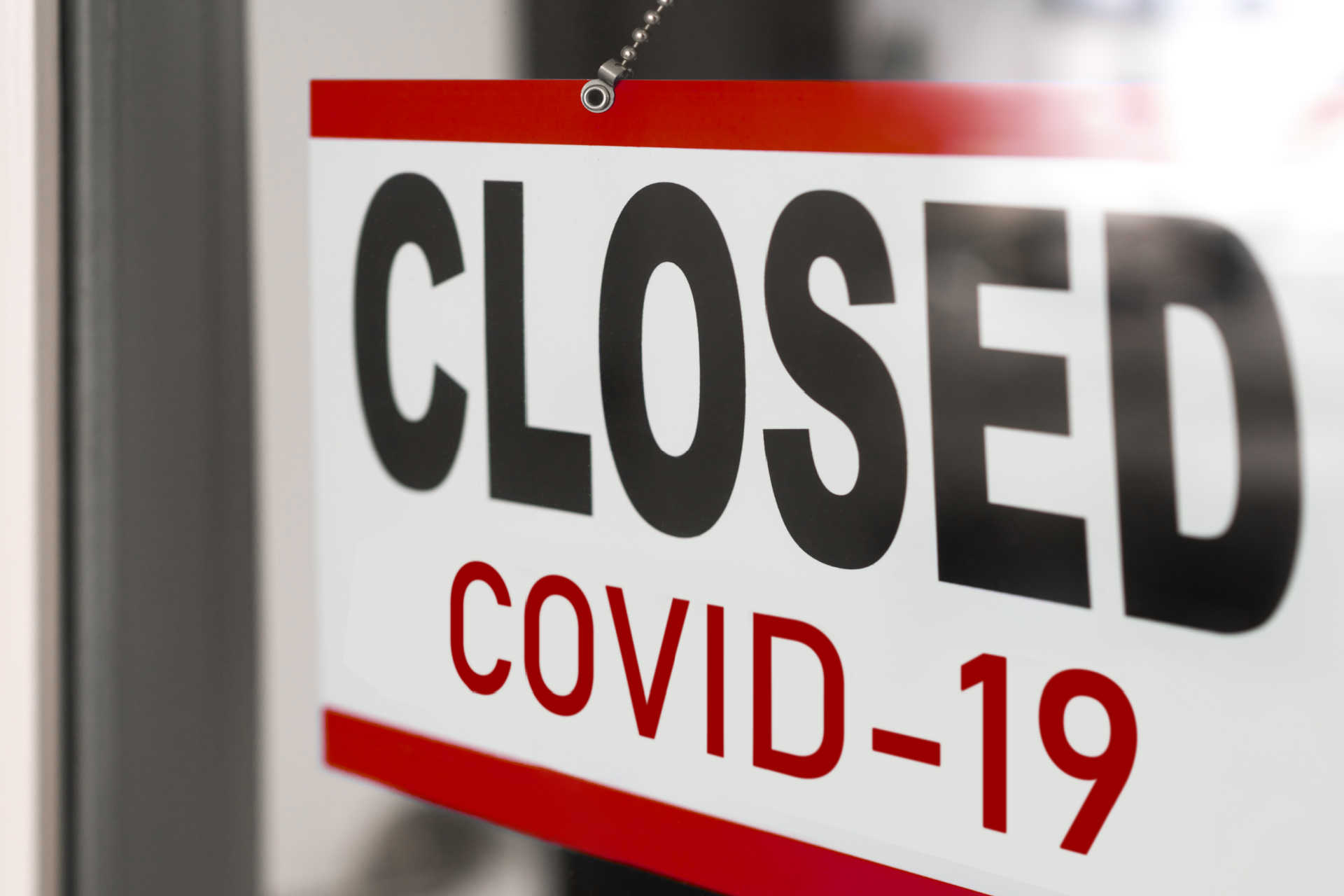
The COVID-19 pandemic presented a unique challenge to the traditional understanding of business interruption insurance. As lockdowns and social distancing measures were implemented to curb the spread of the virus, countless businesses were forced to close their doors or significantly reduce their operations. This led to a surge in business interruption claims, as businesses sought to recover their lost income and cover their ongoing expenses.
The "Direct Physical Loss or Damage" Hurdle
The major point of contention in pandemic-related business interruption claims has been the requirement of "direct physical loss or damage." Insurance companies have largely argued that the presence of the virus, or government-mandated closures, does not constitute physical damage to property. They maintain that the virus does not physically alter or destroy the insured property, and that the closures are a result of government actions, not physical damage.
Businesses, on the other hand, have argued that the presence of the virus does indeed constitute physical damage, as it renders the property unusable and potentially dangerous. Some have also argued that the government-mandated closures are a direct result of the physical threat posed by the virus, effectively triggering the business interruption coverage.
Key Policy Provisions to Consider
When evaluating a business interruption insurance policy in the context of a pandemic, several key provisions need to be carefully considered:
The Definition of "Direct Physical Loss or Damage"
As discussed earlier, this is the most crucial aspect. Does the policy explicitly define what constitutes "direct physical loss or damage"? Are there any exclusions related to viruses, pandemics, or communicable diseases? Some policies may contain specific exclusions for losses caused by viruses or bacteria, which would likely preclude coverage for pandemic-related business interruption.
Civil Authority Coverage
Many business interruption policies include civil authority coverage, which can provide coverage for losses sustained when a civil authority (e.g., a government agency) prohibits access to the insured property. However, this coverage typically requires that the prohibition of access be a direct result of physical damage to nearby property. For example, if a fire damages a neighboring building and the authorities close down the surrounding area, civil authority coverage might be triggered. The applicability of this coverage to pandemic-related closures is often debated, as the closures are typically not directly linked to physical damage to a specific property.
Ingress/Egress Coverage
Ingress/egress coverage provides protection if a business is unable to open due to physical obstruction preventing customers or employees from accessing the premises. Similar to civil authority coverage, the obstruction usually needs to be the result of physical damage. The interpretation of this clause in pandemic scenarios is complex, as restrictions on movement were often broader than direct physical obstructions.
Contingent Business Interruption Coverage
Contingent business interruption (CBI) insurance extends coverage to losses sustained due to the interruption of a business's supply chain or customer base. If a key supplier or customer experiences a covered loss that disrupts the business's operations, CBI coverage can provide compensation. The pandemic's widespread impact on supply chains and consumer demand made CBI coverage potentially relevant for many businesses. However, the same "direct physical loss or damage" requirement often applies to the supplier or customer's loss, making it difficult to trigger coverage in many cases.
Navigating the Claims Process
Filing a business interruption claim related to the pandemic can be a complex and challenging process. Here are some steps businesses can take to navigate the process effectively:
Review Your Policy Carefully
Thoroughly review your business interruption insurance policy, paying close attention to the definitions, exclusions, and conditions. Understand the specific requirements for triggering coverage and the documentation needed to support your claim.
Gather Comprehensive Documentation
Assemble all relevant documentation to support your claim, including financial records, business plans, and any evidence of lost income and increased expenses. Document the impact of the pandemic on your business operations, including the specific reasons for closures or reduced operations.
Provide Notice to Your Insurer Promptly
Notify your insurance company of your claim as soon as possible. Many policies have strict deadlines for reporting claims, so it's important to act quickly.
Work with an Insurance Professional
Consider consulting with an insurance broker or attorney who specializes in business interruption claims. They can provide valuable guidance on navigating the claims process and advocating for your interests.
Be Prepared for Negotiation
Insurance companies may deny or undervalue business interruption claims, particularly those related to the pandemic. Be prepared to negotiate with your insurer and, if necessary, pursue legal action to protect your rights.
The Future of Business Interruption Insurance
The COVID-19 pandemic has significantly impacted the business interruption insurance landscape. Insurance companies are reevaluating their policy language and pricing to better manage the risks associated with future pandemics and other widespread disruptions. Businesses, in turn, are becoming more aware of the importance of comprehensive insurance coverage and the need to understand the specific terms and conditions of their policies.
Going forward, it's likely that we'll see more policies with explicit exclusions for pandemics or communicable diseases. Alternatively, some insurers may offer specialized pandemic insurance products that provide coverage for business interruption losses caused by future outbreaks. It's crucial for businesses to work closely with their insurance brokers to assess their risks and secure appropriate coverage to protect their financial stability in the face of unforeseen events.

0 Comments