
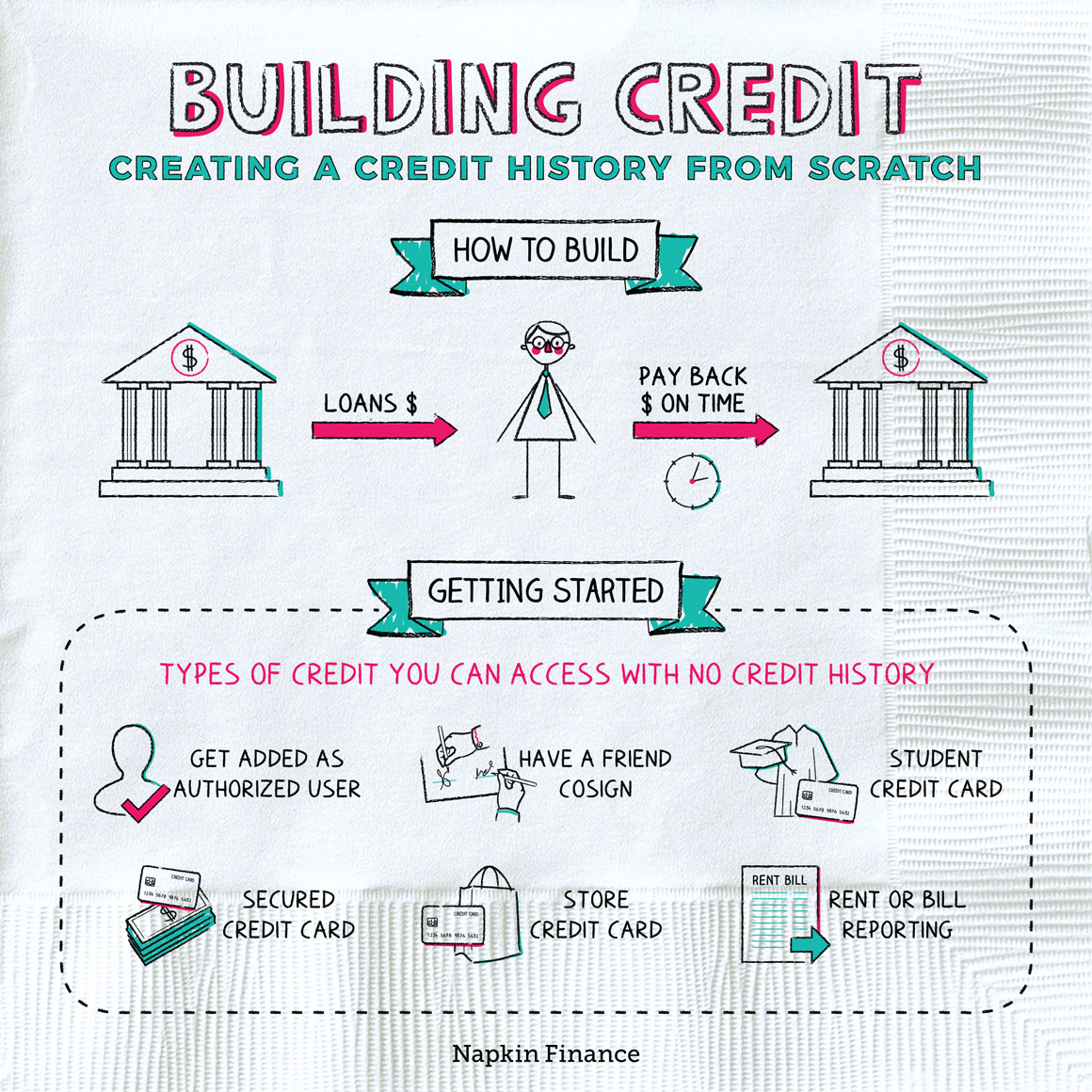
Understanding Credit and Why It Matters
Building credit from scratch can seem daunting, but it's an essential step towards financial well-being. Your credit score is a three-digit number that represents your creditworthiness. Lenders, landlords, insurance companies, and even potential employers use this score to assess the risk of doing business with you.
A good credit score unlocks numerous opportunities, including:
- Lower interest rates on loans and credit cards
- Approval for mortgages and auto loans
- Better insurance premiums
- Easier rental application approvals
- Increased borrowing power
Without a credit history, you are essentially invisible to the financial system. This makes it difficult to secure loans, rent an apartment, or even get a mobile phone contract. Building credit, therefore, is crucial for accessing these essential services and achieving your financial goals.
The Foundation: Understanding Credit Scores
Before embarking on your credit-building journey, it's important to understand the factors that influence your credit score. The most commonly used credit scoring models are FICO and VantageScore. While the exact weighting of each factor may vary slightly, they generally consider the following:
- Payment History (35%): This is the most important factor. It reflects whether you've paid your bills on time in the past.
- Amounts Owed (30%): This considers the total amount of debt you owe and your credit utilization ratio (the amount of credit you're using compared to your total available credit).
- Length of Credit History (15%): A longer credit history generally indicates a lower risk.
- Credit Mix (10%): Having a mix of different types of credit (e.g., credit cards, installment loans) can be beneficial.
- New Credit (10%): Opening too many new credit accounts in a short period can lower your score.
Strategies for Building Credit From the Ground Up
Now, let's explore practical strategies for building credit when you have no credit history.
1. Secured Credit Cards
A secured credit card is a great starting point. Unlike traditional credit cards, secured cards require a cash deposit that serves as your credit line. For example, if you deposit $500, your credit limit will be $500. The issuer reports your payment activity to the credit bureaus, allowing you to build a positive credit history.
Tips for using a secured credit card effectively:
- Choose a card that reports to all three major credit bureaus (Experian, Equifax, and TransUnion).
- Use the card for small, recurring purchases that you can easily pay off each month.
- Keep your credit utilization ratio low (ideally below 30%). This means using no more than 30% of your available credit.
- Make your payments on time, every time. Even a single late payment can negatively impact your credit score.
- After 6-12 months of responsible use, consider upgrading to an unsecured credit card.
2. Credit Builder Loans
Credit builder loans are designed specifically to help people with no or limited credit history. Unlike traditional loans where you receive the money upfront, with a credit builder loan, you make payments first, and then receive the loan amount after you've successfully paid it off.
How credit builder loans work:
- You apply for a small loan from a bank, credit union, or online lender.
- The loan amount is held in a secured account.
- You make regular monthly payments over a set period (typically 6-24 months).
- The lender reports your payment activity to the credit bureaus.
- Once you've repaid the loan, you receive the funds (minus any interest and fees).
Credit builder loans are a safe way to build credit because you're not tempted to overspend. They also help you develop good financial habits by encouraging consistent savings and on-time payments.
3. Become an Authorized User on a Credit Card
If you have a trusted friend or family member with a credit card and a good payment history, you can ask them to add you as an authorized user. As an authorized user, you'll receive a credit card in your name and be able to make purchases on the account. The card issuer will report the account activity to your credit report, helping you build credit.
Important considerations for becoming an authorized user:
- Ensure that the primary cardholder has a good credit history and consistently makes on-time payments.
- Understand that you are not responsible for paying the bill as an authorized user, but your credit score can be affected by the primary cardholder's actions.
- If the primary cardholder has poor credit habits, being an authorized user could negatively impact your credit score.
4. Report Rent and Utility Payments
Traditionally, only credit card and loan payments were reported to credit bureaus. However, some companies now offer services that allow you to report your rent and utility payments, which can help you build credit, especially if you have no other credit history.
How to report rent and utility payments:
- Use a rent reporting service like RentTrack or Rental Kharma. These services verify your rent payments and report them to the credit bureaus.
- Some utility companies may also report your payment history to credit bureaus. Check with your utility providers to see if they offer this option.
Reporting rent and utility payments can be a particularly helpful strategy for individuals who are new to credit or have limited access to traditional credit products.
5. Avoid Common Credit Building Mistakes
While building credit, it's crucial to avoid common pitfalls that can hinder your progress or even damage your credit score.
Common credit building mistakes to avoid:
- Late Payments: Even a single late payment can significantly impact your credit score. Set up automatic payments or reminders to ensure you never miss a due date.
- High Credit Utilization: Maxing out your credit cards or using a large portion of your available credit can negatively affect your credit score. Keep your credit utilization ratio low (ideally below 30%).
- Opening Too Many Accounts: Applying for multiple credit cards or loans in a short period can raise red flags with lenders and lower your credit score.
- Closing Old Accounts: Closing old credit card accounts can reduce your overall available credit and negatively impact your credit utilization ratio.
- Ignoring Your Credit Report: Regularly check your credit report for errors or fraudulent activity. You can obtain a free copy of your credit report from each of the three major credit bureaus annually at AnnualCreditReport.com.
Monitoring Your Credit Progress
Building credit is a marathon, not a sprint. It takes time and consistent effort to establish a positive credit history. Regularly monitor your credit score and credit report to track your progress and identify any potential issues.
Tools for monitoring your credit:
- Free Credit Monitoring Services: Many websites and apps offer free credit monitoring services that provide you with access to your credit score and credit report.
- Credit Card Statements: Your credit card statements often include your credit score.
- AnnualCreditReport.com: You can obtain a free copy of your credit report from each of the three major credit bureaus annually.
By staying informed about your credit standing, you can make informed financial decisions and take proactive steps to improve your credit score over time. Remember consistency is key. Continue to make on-time payments, keep your credit utilization low, and avoid unnecessary debt. With patience and diligence, you can build a solid credit foundation and unlock a world of financial opportunities.

0 Comments