
Understanding Balance Transfers: A Smart Debt Management Strategy
If you're carrying a balance on a high-interest credit card, a balance transfer could be a savvy move to save money and pay down your debt faster. A balance transfer involves moving your existing credit card debt to a new credit card with a lower interest rate, often a 0% introductory APR for a limited time. This can significantly reduce the amount of interest you pay and help you become debt-free more quickly.
Key Factors to Consider When Choosing a Balance Transfer Credit Card
Before you jump into applying for a balance transfer card, it's essential to weigh several factors to ensure you choose the best option for your financial situation. Here are some key considerations:
1. Introductory APR and Duration
The introductory APR is the main draw of a balance transfer card. Look for cards offering a 0% APR for a period that gives you enough time to pay down your debt. Common introductory periods range from 12 to 21 months. Remember to calculate how much you'll need to pay each month to pay off the balance before the introductory period ends. If you don't pay it off in time, you'll be subject to the card's regular APR, which could be higher than your original card.
2. Balance Transfer Fees
Most balance transfer cards charge a fee, typically a percentage of the amount you transfer. The standard fee is usually between 3% and 5%. Factor this fee into your calculations to determine the overall cost of the transfer. Even with a fee, a 0% APR can still save you a substantial amount of money compared to paying interest on a high-interest card. Some cards occasionally waive the balance transfer fee as a promotional offer, which can be a significant advantage.
3. Regular APR After the Introductory Period
Once the introductory APR expires, the card's regular APR will kick in. It's crucial to know what this rate is before applying. If you don't think you can pay off the balance before the introductory period ends, choose a card with a relatively low regular APR. The regular APR can vary widely, so shop around to find the best rate for your credit profile.
4. Credit Score Requirements
Balance transfer cards with the most attractive offers typically require a good to excellent credit score. Check your credit score before applying to increase your chances of approval. You can obtain a free credit report from each of the major credit bureaus (Equifax, Experian, and TransUnion) annually. Knowing your credit score will help you target cards you're more likely to be approved for.
5. Credit Limit
The credit limit on your new balance transfer card will determine how much debt you can transfer. Make sure the credit limit is high enough to cover the amount you want to transfer. If you have a large amount of debt, you might need to apply for multiple balance transfer cards or prioritize transferring the highest-interest balances first.
6. Other Card Benefits and Rewards
While the primary goal of a balance transfer card is to save money on interest, consider any additional benefits the card offers. Some cards offer rewards programs, such as cash back or points, on purchases. However, don't let rewards be the deciding factor. Focus on the introductory APR and balance transfer fee, as these will have the biggest impact on your debt repayment.
Top Credit Cards for Balance Transfers (Examples - Rates and Fees Subject to Change)
Here are a few examples of credit cards often recommended for balance transfers. Remember to always check the latest terms, conditions, APRs, and fees directly with the card issuer before applying.
1. Discover it® Balance Transfer
The Discover it® Balance Transfer card is often praised for its 0% introductory APR and straightforward terms. It typically offers a 0% introductory APR on balance transfers for a specified period (e.g., 15-18 months). Look for a balance transfer fee, which is usually a percentage of the transferred amount. Discover cards often come with cash back rewards on everyday purchases, adding value beyond the balance transfer offer.
2. Citi Simplicity® Card
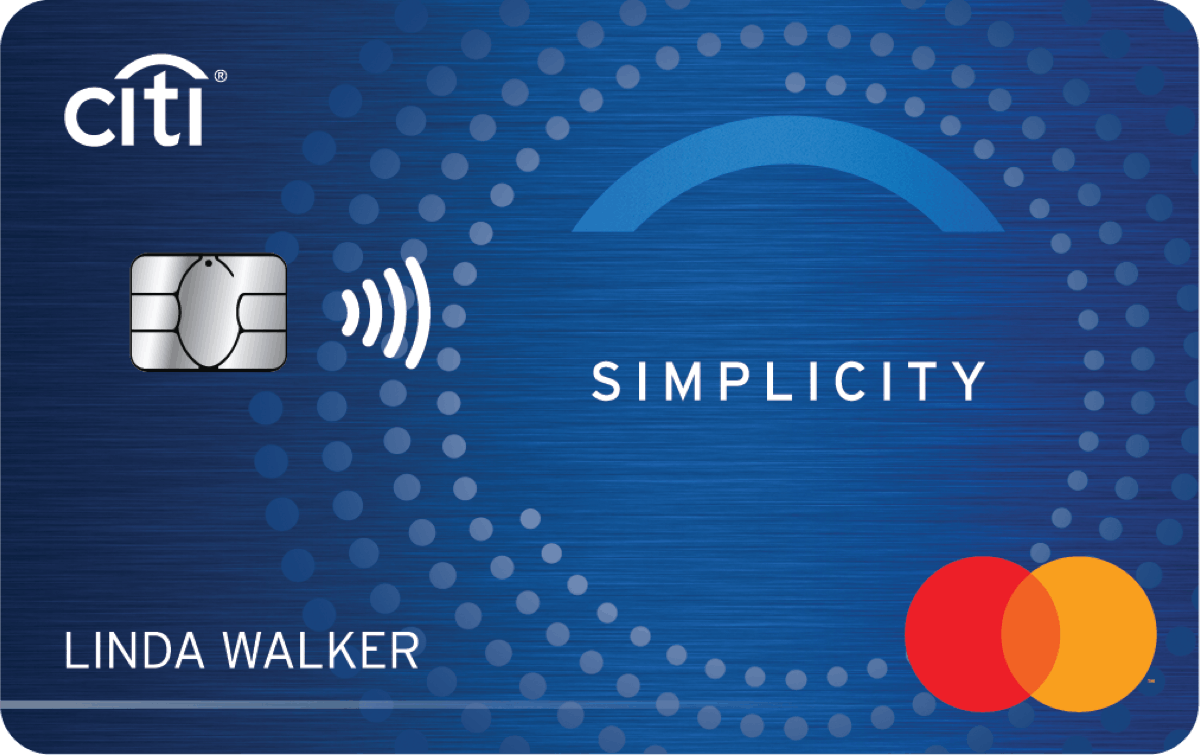
The Citi Simplicity® Card is known for its simplicity and lack of annual fees. It often features a long 0% introductory APR on balance transfers. The balance transfer fee is typically a percentage of the amount transferred. This card is a good option if you want a no-frills card with a focus on balance transfers.
3. American Express Blue Cash Everyday® Card
While primarily a rewards card, the American Express Blue Cash Everyday® Card sometimes offers a 0% introductory APR on balance transfers for a specific period. It also earns cash back on purchases at U.S. supermarkets, gas stations, and department stores. If you plan to use the card for everyday spending after the balance transfer, the rewards program can be a valuable perk.
4. Chase Slate Edge℠
The Chase Slate Edge℠ card is designed to help cardholders improve their credit. It may offer a 0% introductory APR on balance transfers and purchases for a specified period. This card may also offer features like automatic credit line reviews and opportunities to lower your APR over time by making on-time payments. It's a good option for those looking to build or improve their credit while consolidating debt.
Steps to Take Before Applying for a Balance Transfer Card
Before you apply for a balance transfer card, take these steps to ensure a smooth process and maximize your chances of success:
1. Check Your Credit Score
As mentioned earlier, knowing your credit score is crucial. A higher credit score increases your chances of approval for the best balance transfer cards with the most favorable terms.
2. Calculate Your Debt and Transfer Amount
Determine the total amount of debt you want to transfer and ensure that the card you're applying for has a sufficient credit limit to accommodate the transfer. Prioritize transferring balances with the highest interest rates first.
3. Review Card Terms and Conditions
Carefully read the terms and conditions of the card you're considering, paying close attention to the introductory APR period, balance transfer fee, regular APR, and any other fees or charges.
4. Plan Your Repayment Strategy
Develop a plan to pay off your balance before the introductory APR period ends. Calculate how much you'll need to pay each month to achieve this goal. Consider setting up automatic payments to avoid missing deadlines.
5. Understand the Impact on Your Credit Score
Applying for a new credit card can temporarily lower your credit score due to a hard inquiry. However, successfully managing a balance transfer card and paying down your debt can ultimately improve your credit score over time.
Important Considerations After You Transfer Your Balance
Once you've successfully transferred your balance, keep these points in mind:
1. Avoid New Purchases on the Balance Transfer Card
Focus on paying down the transferred balance. Avoid making new purchases on the card, as these will accrue interest at the regular APR, which could negate the benefits of the balance transfer.
2. Continue Making Payments on Your Old Credit Card (Until Confirmed Transferred)
Continue making minimum payments on your old credit card until you receive confirmation that the balance transfer has been completed. This will prevent late fees and negative impacts on your credit score.
3. Monitor Your Credit Report
Regularly monitor your credit report to ensure that the balance transfer is reported correctly and that there are no errors or discrepancies.
4. Don't Close Your Old Credit Card Immediately
While it might be tempting to close your old credit card after transferring the balance, it's generally not recommended. Closing a credit card can lower your credit utilization ratio, which can negatively impact your credit score. Consider keeping the card open and using it occasionally for small purchases to keep it active.

0 Comments