
Understanding the Devastating Economic Impact of Global Pandemics
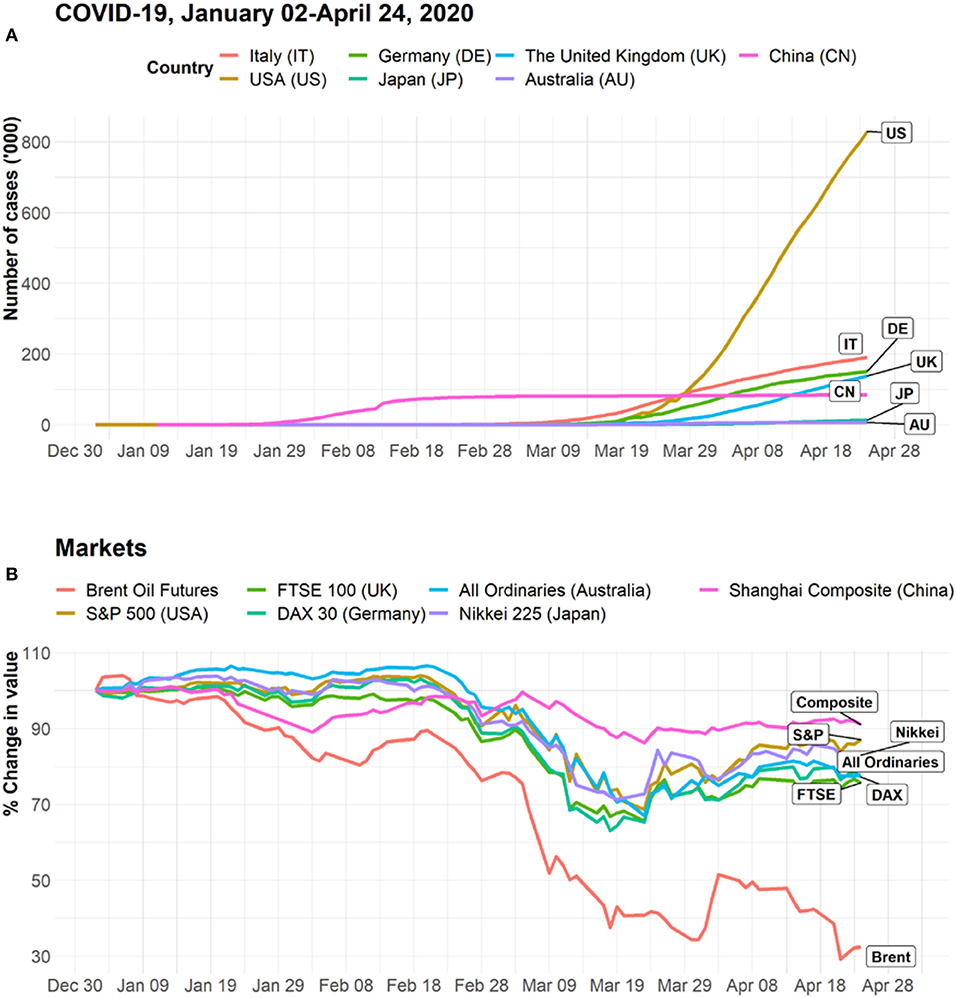
Global pandemics, like the recent COVID-19 pandemic, have far-reaching and devastating economic consequences. These events disrupt global supply chains, reduce consumer demand, and lead to significant job losses, ultimately impacting national economies and the global financial system. Understanding these impacts is crucial for developing effective mitigation strategies and building more resilient economies.
The Initial Shock: Disruption and Uncertainty
The immediate aftermath of a global pandemic is typically characterized by widespread disruption and uncertainty. Businesses are forced to close, travel is restricted, and consumer confidence plummets. This initial shock can trigger a cascade of negative economic effects.
Supply Chain Disruptions
Global supply chains, which have become increasingly interconnected, are particularly vulnerable to pandemics. Lockdowns and travel restrictions can prevent the flow of goods and services, leading to shortages and price increases. Manufacturing hubs may be forced to shut down, disrupting production and distribution networks. The fragility of these global connections is exposed, requiring businesses to rethink their sourcing strategies and build more resilient supply chains.
Demand Shock
Pandemics also lead to a significant drop in consumer demand. Fear of infection, job losses, and economic uncertainty cause people to reduce their spending. This decline in demand can further exacerbate the economic downturn, leading to business closures and layoffs. The hospitality, tourism, and entertainment industries are particularly hard hit, as people avoid travel and public gatherings.
Macroeconomic Consequences: Recession and Debt
The combined effects of supply chain disruptions and demand shocks can trigger a recession, characterized by a significant decline in economic activity. Governments often respond with fiscal and monetary policies to mitigate the impact, but these measures can also have long-term consequences.
Increased Government Debt
To support businesses and households during a pandemic, governments often implement large-scale stimulus packages. These packages can include direct payments to individuals, loans to businesses, and increased unemployment benefits. While these measures can help cushion the economic blow, they also lead to a significant increase in government debt. Managing this debt burden can be a challenge in the years following the pandemic.
Inflationary Pressures
Supply chain disruptions, coupled with increased government spending, can also lead to inflationary pressures. Shortages of goods and services can drive up prices, while increased demand fueled by stimulus measures can further exacerbate inflation. Central banks may need to raise interest rates to combat inflation, which can slow down economic growth.
Sector-Specific Impacts: Winners and Losers
While pandemics have a broad impact on the economy, certain sectors are more affected than others. Some sectors may even experience growth during a pandemic, while others face significant challenges.
Hard-Hit Sectors
The hospitality, tourism, and entertainment industries are among the hardest hit during a pandemic. Travel restrictions, social distancing measures, and fear of infection can decimate these sectors. Restaurants, hotels, airlines, and event organizers face significant revenue losses and may be forced to lay off employees or even close down permanently.
Beneficiary Sectors
Conversely, some sectors may benefit from a pandemic. The healthcare industry, for example, experiences increased demand for its services. Pharmaceutical companies that develop vaccines and treatments can also see significant growth. E-commerce businesses, online entertainment providers, and delivery services may also benefit as people spend more time at home.
Long-Term Economic Effects: Structural Changes and Inequality
The economic effects of a pandemic can extend far beyond the immediate crisis. Pandemics can lead to structural changes in the economy and exacerbate existing inequalities.
Increased Automation
Pandemics can accelerate the adoption of automation technologies. Businesses may invest in automation to reduce their reliance on human labor and make their operations more resilient to future disruptions. This can lead to job losses in certain sectors, particularly those that rely on manual labor.
Widening Inequality
Pandemics can exacerbate existing inequalities. Low-wage workers, who are often employed in sectors that are hard hit by pandemics, are more likely to lose their jobs. They may also have limited access to healthcare and social safety nets. This can lead to a widening gap between the rich and the poor.
The Role of Policy: Mitigation and Recovery
Government policies play a crucial role in mitigating the economic impact of pandemics and supporting economic recovery. These policies can include fiscal stimulus, monetary policy, and public health measures.
Fiscal Stimulus
Fiscal stimulus packages can help cushion the economic blow of a pandemic by providing direct support to businesses and households. These packages can include direct payments to individuals, loans to businesses, and increased unemployment benefits. The effectiveness of fiscal stimulus depends on the size of the package, the targeting of the support, and the speed of implementation.
Monetary Policy
Central banks can also use monetary policy to support the economy during a pandemic. They can lower interest rates to encourage borrowing and investment, and they can provide liquidity to financial markets to prevent a financial crisis. However, monetary policy may be less effective during a pandemic if businesses and households are reluctant to borrow and invest due to uncertainty.
Public Health Measures
Public health measures, such as lockdowns, mask mandates, and vaccination campaigns, are essential for controlling the spread of a pandemic and preventing further economic disruption. Effective public health measures can help restore consumer confidence and allow businesses to reopen safely.
Building Resilience: Preparing for Future Pandemics
Given the potential for future pandemics, it is crucial to build more resilient economies. This requires investing in public health infrastructure, strengthening supply chains, and promoting economic diversification.
Investing in Public Health
Investing in public health infrastructure is essential for preventing and responding to pandemics. This includes strengthening disease surveillance systems, improving healthcare capacity, and developing effective vaccines and treatments.
Strengthening Supply Chains
Businesses need to rethink their supply chain strategies and build more resilient networks. This can involve diversifying suppliers, investing in inventory management, and developing contingency plans for disruptions.
Promoting Economic Diversification
Countries that are heavily reliant on a single industry or export market are more vulnerable to economic shocks. Promoting economic diversification can help reduce this vulnerability by creating a more resilient and adaptable economy.

0 Comments