
The Unprecedented Disruption of Global Pandemics
Global pandemics, such as the COVID-19 pandemic, have a profound and multifaceted impact on international trade and travel. These events trigger a cascade of disruptions that ripple through global economies, affecting supply chains, consumer behavior, and government policies. Understanding the nature and extent of these impacts is crucial for businesses and policymakers to mitigate risks and build resilience in the face of future global health crises.
The Immediate Impact on International Trade
The initial shock of a pandemic often leads to a sharp decline in international trade. This decline is driven by several factors, including:
- Supply Chain Disruptions: Pandemics can cause widespread factory closures, transportation bottlenecks, and labor shortages, all of which disrupt the flow of goods across borders.
- Reduced Demand: Lockdowns, travel restrictions, and economic uncertainty lead to a decrease in consumer demand for many goods and services, particularly those that are non-essential.
- Increased Trade Barriers: Governments may implement export restrictions on essential goods, such as medical supplies, to prioritize domestic needs, further hindering international trade.
- Currency Fluctuations: Economic instability associated with pandemics can lead to significant currency fluctuations, making international transactions more expensive and unpredictable.
These factors combine to create a challenging environment for businesses engaged in international trade, leading to reduced revenues, increased costs, and potential bankruptcies.
Specific Examples of Trade Disruptions
The COVID-19 pandemic provided numerous examples of trade disruptions. For instance, the automotive industry faced significant challenges due to the closure of factories in key manufacturing hubs, leading to shortages of components and delays in production. Similarly, the apparel industry experienced disruptions as lockdowns in major garment-producing countries impacted the supply of raw materials and finished goods. The agricultural sector also faced challenges as border closures and transportation restrictions hampered the movement of perishable goods.
The Devastating Effects on International Travel
International travel is particularly vulnerable to the impacts of global pandemics. Travel restrictions, border closures, and fear of infection lead to a dramatic decrease in international tourism and business travel. This has severe consequences for airlines, hotels, restaurants, and other businesses that rely on international visitors.
The Tourism Sector's Plunge
The tourism sector is often one of the hardest hit by pandemics. Travel restrictions and health concerns discourage people from traveling, leading to a sharp decline in tourist arrivals and revenues. This can have devastating effects on countries that rely heavily on tourism for their economic growth. For example, island nations and countries with popular tourist destinations may experience significant economic contractions due to the loss of tourism revenue.
Business Travel Stalls
Business travel also suffers during pandemics. Companies reduce or eliminate non-essential travel to protect their employees and minimize the risk of infection. This can hinder international business negotiations, trade fairs, and conferences, impacting international trade and investment.
Long-Term Consequences and Structural Changes
While the immediate impacts of pandemics on international trade and travel are significant, the long-term consequences can be even more profound. Pandemics can accelerate existing trends, such as the shift towards e-commerce and remote work, and lead to structural changes in the global economy.
Reshaping Supply Chains
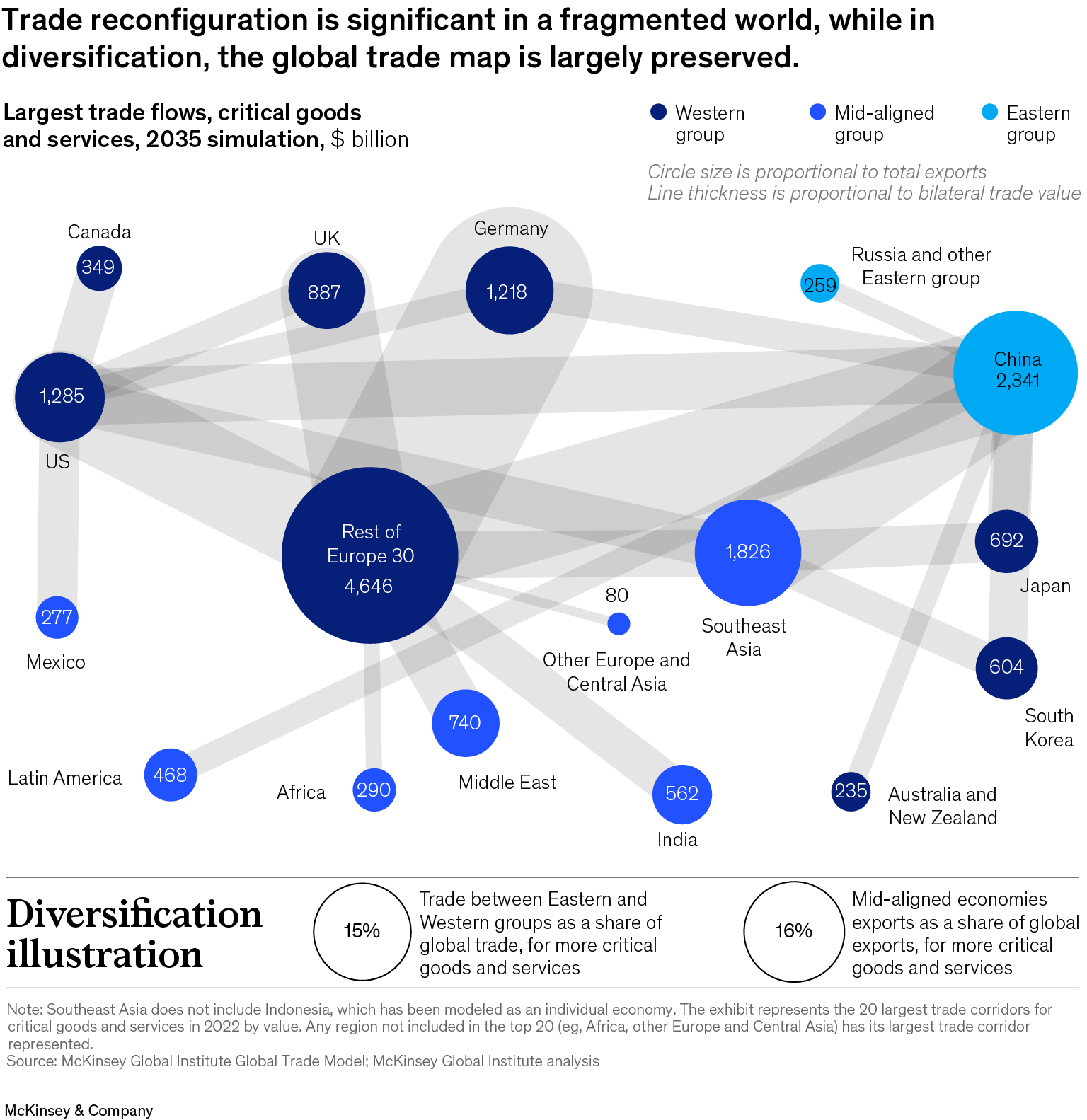
The disruptions caused by pandemics have prompted many businesses to re-evaluate their supply chains. Companies are increasingly looking to diversify their supply sources, reduce their reliance on single suppliers, and build more resilient supply chains that can withstand future shocks. This may involve bringing production closer to home (reshoring) or diversifying to multiple countries (nearshoring).
The Rise of Digitalization
Pandemics have accelerated the adoption of digital technologies in international trade and travel. E-commerce has become even more important as consumers increasingly shop online. Digital platforms and tools are also being used to facilitate remote business negotiations, virtual trade fairs, and online tourism experiences. This trend towards digitalization is likely to continue even after the pandemic subsides.
Increased Government Intervention
Governments play a crucial role in responding to pandemics and mitigating their economic impacts. This may involve implementing fiscal stimulus packages, providing financial support to businesses and households, and imposing trade restrictions to protect domestic industries. Increased government intervention in international trade and travel is likely to continue in the post-pandemic world.
Building Resilience for Future Pandemics
The experience of recent pandemics has highlighted the importance of building resilience in international trade and travel. This involves:
- Diversifying supply chains: Reducing reliance on single suppliers and diversifying to multiple countries.
- Investing in digital infrastructure: Improving connectivity and access to digital technologies.
- Strengthening international cooperation: Enhancing collaboration between countries to address global health threats and coordinate trade policies.
- Developing robust emergency preparedness plans: Preparing for future pandemics by developing plans for business continuity, supply chain management, and employee safety.
The Role of Technology in Mitigation
Technology plays a critical role in mitigating the impact of pandemics on international trade and travel. For example, blockchain technology can be used to improve supply chain transparency and traceability, while artificial intelligence can be used to predict and manage demand fluctuations. Contact tracing apps and digital health certificates can help to facilitate safe travel and reduce the risk of infection.

0 Comments