
The Rise of the Gig Economy: An Overview
The gig economy, characterized by short-term contracts and freelance work, has experienced significant growth in recent years. Fueled by technological advancements, changing workforce preferences, and economic shifts, this alternative labor model is reshaping the way people work and businesses operate. This article delves into the factors driving the gig economy's expansion and explores the key challenges it presents.
Factors Driving the Gig Economy's Growth
Several factors have contributed to the rapid expansion of the gig economy:
Technological Advancements
Platforms like Uber, Airbnb, Upwork, and Fiverr have revolutionized the way individuals find and secure work. These platforms connect freelancers with clients globally, offering greater flexibility and accessibility to both parties. The ease of communication, payment processing, and project management facilitated by these technologies has significantly lowered the barriers to entry for gig workers.
Changing Workforce Preferences
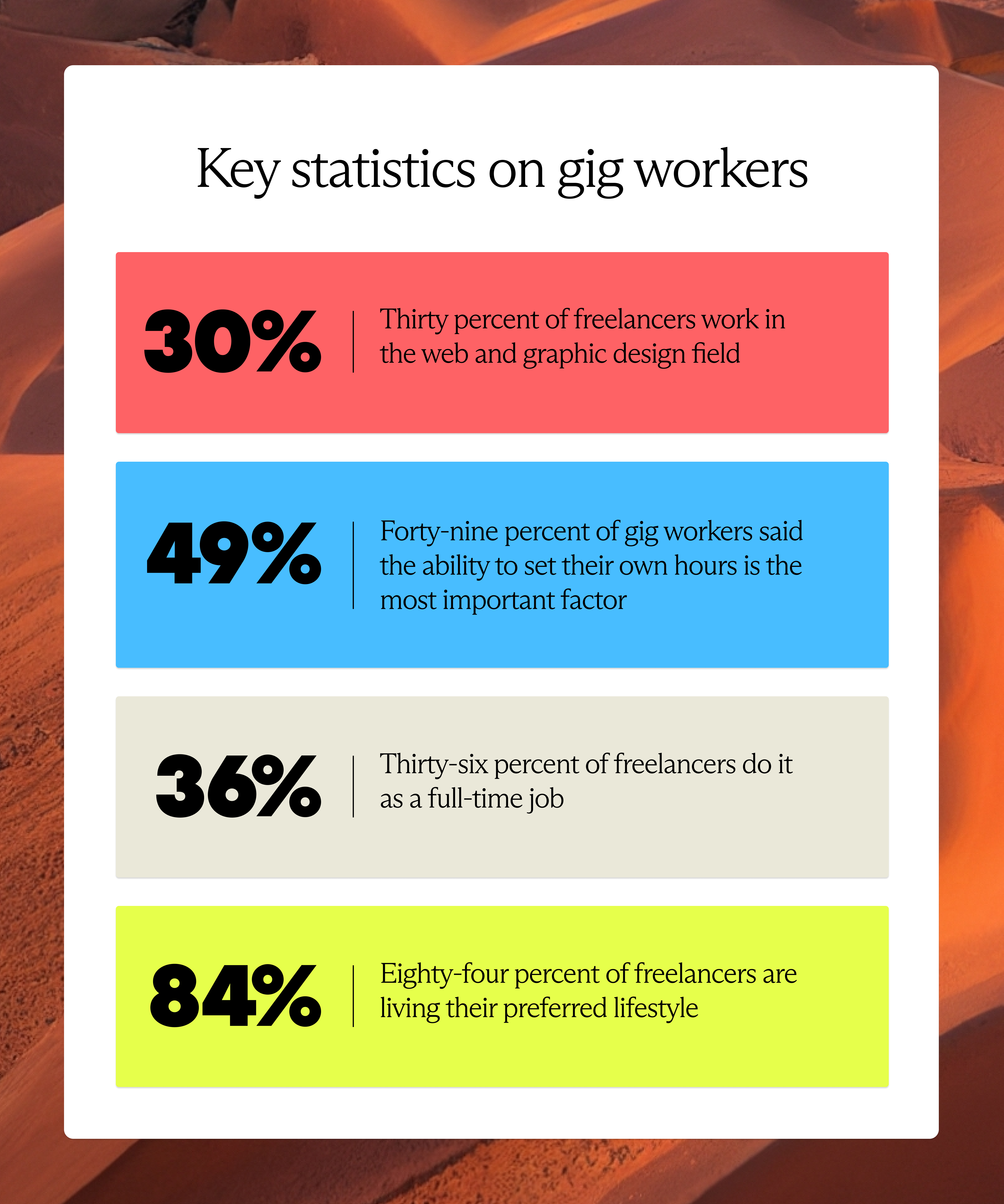
A growing number of individuals, particularly millennials and Gen Z, are drawn to the gig economy's flexibility and autonomy. Traditional employment models often require rigid schedules and limited control over work assignments. The gig economy, on the other hand, allows workers to choose their own hours, projects, and locations, appealing to those seeking a better work-life balance and greater independence.
Economic Shifts and Restructuring
Economic downturns and corporate restructuring have led to widespread layoffs and a decline in traditional full-time employment opportunities. As a result, many individuals have turned to the gig economy as a means of supplementing their income or finding alternative sources of employment. Companies, too, have increasingly relied on freelancers and independent contractors to manage costs, access specialized skills, and scale their operations quickly.
Globalization and Outsourcing
The increasing interconnectedness of the global economy has made it easier for businesses to outsource tasks to freelancers and independent contractors located in different countries. This allows companies to access a wider pool of talent at competitive rates, while also providing opportunities for gig workers in developing countries to participate in the global labor market.
Key Challenges of the Gig Economy
Despite its benefits, the gig economy also presents a number of significant challenges for workers, businesses, and policymakers:
Lack of Job Security and Benefits
One of the most significant challenges facing gig workers is the lack of job security and traditional employee benefits. Unlike full-time employees, freelancers and independent contractors typically do not receive health insurance, paid time off, retirement contributions, or unemployment benefits. This can create financial instability and make it difficult for gig workers to plan for the future.
Income Instability and Wage Fluctuations
Gig workers often experience income instability due to the unpredictable nature of freelance work. Demand for their services may fluctuate depending on market conditions, seasonality, or client needs. This can lead to periods of low earnings and financial uncertainty. Furthermore, gig workers may face downward pressure on wages as they compete with a large pool of other freelancers for the same projects.
Limited Access to Training and Development
Traditional employers often invest in training and development programs to enhance the skills and knowledge of their employees. However, gig workers typically do not have access to these opportunities. This can limit their ability to advance their careers, increase their earning potential, and remain competitive in the labor market. While some online platforms offer training resources, they may not be sufficient to address the diverse needs of gig workers.
Worker Classification and Legal Ambiguity
The classification of gig workers as independent contractors rather than employees raises complex legal and ethical issues. Companies often classify workers as independent contractors to avoid paying payroll taxes, providing benefits, and complying with labor laws. However, this classification can deprive gig workers of important legal protections and rights. Determining the appropriate classification of gig workers is a subject of ongoing debate and litigation.
Social Isolation and Lack of Community
The gig economy can be isolating for workers who spend most of their time working independently and remotely. Unlike traditional workplaces, the gig economy often lacks the social interaction and sense of community that can contribute to employee well-being and job satisfaction. This can lead to feelings of loneliness, stress, and burnout.
Algorithmic Management and Bias
Many gig economy platforms rely on algorithms to manage workers, assign tasks, and evaluate performance. While these algorithms can improve efficiency and transparency, they can also perpetuate bias and discrimination. For example, algorithms may favor certain workers based on factors such as location, demographics, or past performance, potentially disadvantaging other workers.
The Future of the Gig Economy
The gig economy is likely to continue to evolve and expand in the coming years. As technology advances and workforce preferences change, new opportunities and challenges will emerge. Policymakers, businesses, and workers must work together to address the challenges facing the gig economy and ensure that it provides fair and sustainable opportunities for all. This includes developing policies that protect gig workers' rights, promote access to benefits and training, and address issues of algorithmic bias and discrimination. The gig economy has the potential to create a more flexible and dynamic labor market, but only if its challenges are addressed effectively.

0 Comments