
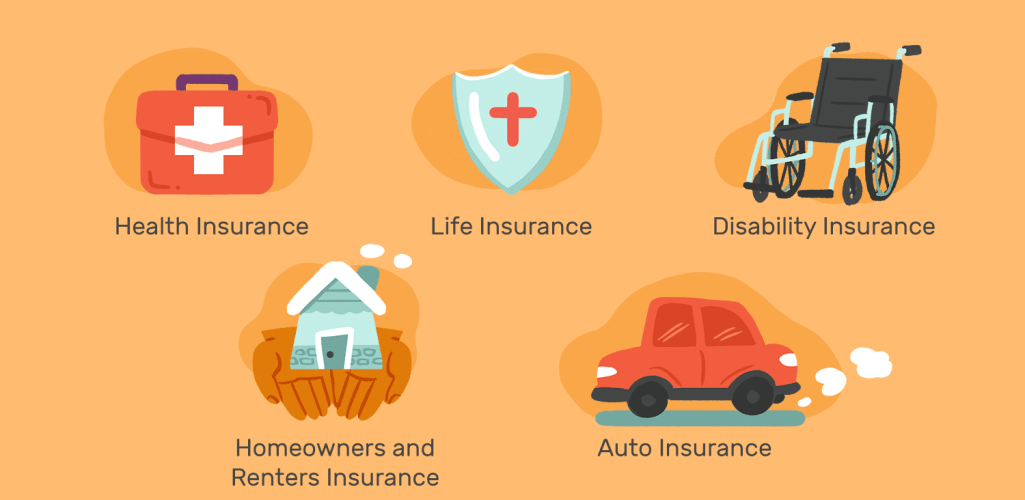
Understanding the Different Types of Insurance: A Comprehensive Guide
Insurance is a crucial aspect of financial planning, providing a safety net against unexpected events and potential financial losses. Navigating the world of insurance can be overwhelming, with various types of policies designed to protect different aspects of your life and assets. This guide will explore the most common types of insurance, helping you understand their purpose and benefits.
Health Insurance
Health insurance is designed to cover medical expenses, including doctor visits, hospital stays, prescription drugs, and other healthcare services. It's arguably one of the most important types of insurance, as medical costs can be incredibly high, and unexpected illnesses or injuries can lead to significant financial strain.
Types of Health Insurance Plans
There are several types of health insurance plans available, each with its own features and benefits. Some common types include:
- Health Maintenance Organizations (HMOs): HMOs typically require you to choose a primary care physician (PCP) who coordinates your care and refers you to specialists. HMOs often have lower premiums but less flexibility in choosing providers.
- Preferred Provider Organizations (PPOs): PPOs allow you to see any doctor or specialist without a referral, but you'll typically pay less if you stay within the plan's network of providers. PPOs generally have higher premiums than HMOs.
- Exclusive Provider Organizations (EPOs): EPOs are similar to HMOs in that you must use providers within the plan's network. However, EPOs typically don't require you to choose a PCP.
- Point of Service (POS) Plans: POS plans combine features of HMOs and PPOs. You'll typically need to choose a PCP, but you can see out-of-network providers for a higher cost.
Life Insurance
Life insurance provides a financial benefit to your beneficiaries upon your death. It can help replace lost income, cover funeral expenses, pay off debts, and provide financial security for your loved ones. Life insurance is particularly important for individuals with dependents, such as spouses, children, or elderly parents.
Types of Life Insurance Policies
There are two main types of life insurance policies:
- Term Life Insurance: Term life insurance provides coverage for a specific period, such as 10, 20, or 30 years. If you die within the term, your beneficiaries receive the death benefit. If the term expires and you're still alive, the coverage ends. Term life insurance is generally more affordable than permanent life insurance.
- Permanent Life Insurance: Permanent life insurance provides coverage for your entire life, as long as you continue to pay the premiums. It also includes a cash value component that grows over time and can be borrowed against or withdrawn. Common types of permanent life insurance include whole life, universal life, and variable life.
Auto Insurance
Auto insurance protects you financially in the event of a car accident. It can cover damage to your vehicle, injuries to yourself and others, and liability for damages you cause to other people's property. Most states require drivers to carry a minimum amount of auto insurance.
Types of Auto Insurance Coverage
Auto insurance policies typically include several types of coverage:
- Liability Coverage: Liability coverage pays for damages you cause to other people or their property in an accident. It includes both bodily injury liability and property damage liability.
- Collision Coverage: Collision coverage pays for damage to your vehicle if you're involved in an accident, regardless of who is at fault.
- Comprehensive Coverage: Comprehensive coverage pays for damage to your vehicle from events other than collisions, such as theft, vandalism, fire, or natural disasters.
- Uninsured/Underinsured Motorist Coverage: This coverage protects you if you're hit by a driver who doesn't have insurance or doesn't have enough insurance to cover your damages.
Homeowners Insurance
Homeowners insurance protects your home and belongings from damage or loss due to covered events, such as fire, theft, vandalism, or natural disasters. It also provides liability coverage if someone is injured on your property. If you have a mortgage, your lender will likely require you to have homeowners insurance.
What Homeowners Insurance Covers
Homeowners insurance typically covers:
- Dwelling: The physical structure of your home.
- Other Structures: Structures on your property that are not attached to your home, such as a garage or shed.
- Personal Property: Your belongings, such as furniture, clothing, and electronics.
- Liability: Legal responsibility for injuries or damages that occur on your property.
- Additional Living Expenses (ALE): Expenses you incur if you have to live elsewhere while your home is being repaired after a covered loss.
Disability Insurance
Disability insurance provides income replacement if you become disabled and are unable to work. It can help you pay your bills and maintain your standard of living while you're recovering. Disability insurance is particularly important for individuals who rely on their income to support themselves and their families.
Types of Disability Insurance
There are two main types of disability insurance:
- Short-Term Disability Insurance: Short-term disability insurance provides benefits for a limited time, typically a few months to a year.
- Long-Term Disability Insurance: Long-term disability insurance provides benefits for a longer period, potentially for several years or even until retirement.
Renters Insurance
Renters insurance protects your belongings if you rent an apartment or house. It covers damage or loss due to covered events, such as fire, theft, or vandalism. It also provides liability coverage if someone is injured in your rental unit. While your landlord's insurance covers the building itself, it doesn't cover your personal property.
Travel Insurance
Travel insurance protects you financially in the event of unexpected events while traveling, such as trip cancellations, medical emergencies, lost luggage, or travel delays. It can help you recoup non-refundable expenses and provide assistance in case of an emergency.
Pet Insurance
Pet insurance helps cover the costs of veterinary care for your pets. It can help you afford unexpected vet bills for illnesses, injuries, or surgeries. Pet insurance plans typically have deductibles, co-pays, and coverage limits.
Understanding the different types of insurance is essential for protecting your financial well-being and securing your future. By carefully evaluating your needs and risks, you can choose the right insurance policies to provide peace of mind and financial security.

0 Comments