
Understanding the Different Types of Insurance Policies
Insurance is a crucial tool for managing risk and protecting your financial well-being. With so many different types of insurance policies available, it's important to understand your options and choose the coverage that best suits your needs. This article will explore the various types of insurance policies, their purposes, and the benefits they offer.
Life Insurance
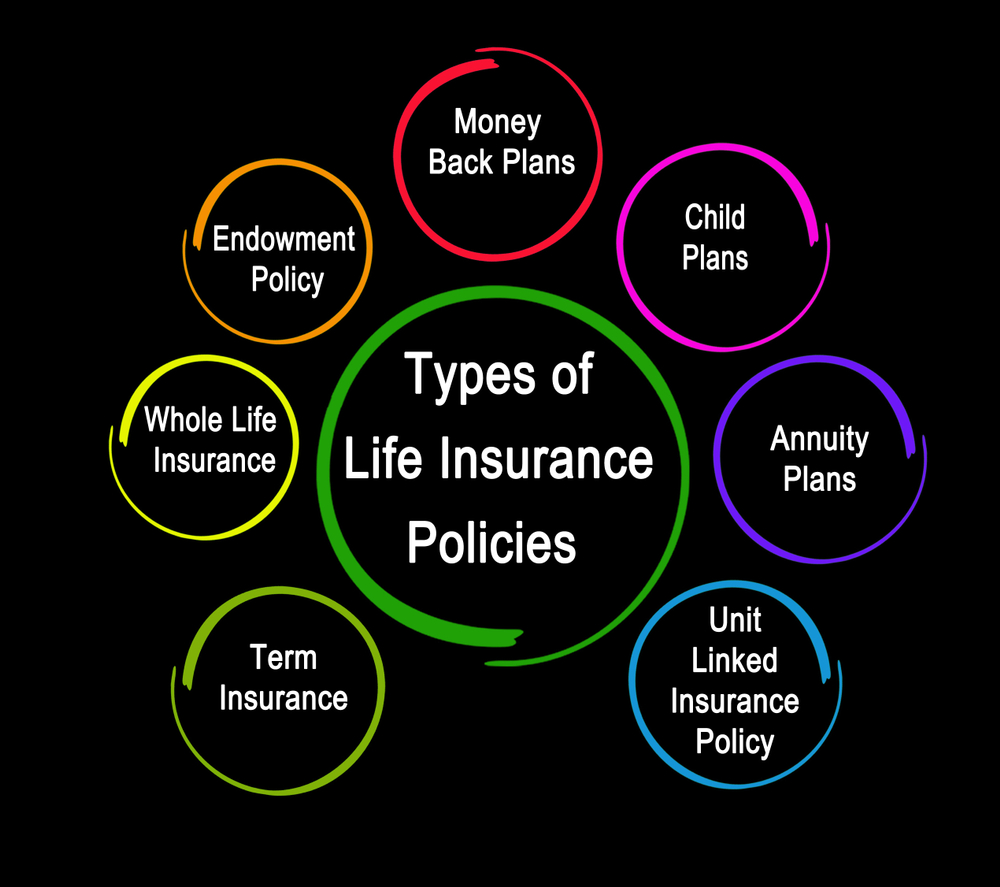
Life insurance provides financial protection to your beneficiaries in the event of your death. It can help cover expenses such as funeral costs, outstanding debts, and living expenses for your family. There are several types of life insurance policies:
Term Life Insurance
Term life insurance provides coverage for a specific period, such as 10, 20, or 30 years. If you die within the term, your beneficiaries receive a death benefit. Term life insurance is generally more affordable than permanent life insurance, making it a good option for those on a budget. However, the policy expires at the end of the term, and you may need to renew it at a higher premium.
Whole Life Insurance
Whole life insurance provides lifelong coverage and includes a cash value component that grows over time. The premiums are typically higher than term life insurance, but the policy offers a guaranteed death benefit and cash value accumulation. The cash value can be borrowed against or withdrawn, providing a source of funds for future needs.
Universal Life Insurance
Universal life insurance is a type of permanent life insurance that offers more flexibility than whole life insurance. It allows you to adjust your premiums and death benefit within certain limits. The cash value component grows based on market interest rates, which can provide higher returns than whole life insurance, but also carries more risk.
Variable Life Insurance
Variable life insurance is another type of permanent life insurance that allows you to invest the cash value in various investment options, such as stocks and bonds. The death benefit and cash value can fluctuate based on the performance of these investments. Variable life insurance offers the potential for higher returns but also carries a higher level of risk.
Health Insurance
Health insurance helps cover the cost of medical care, including doctor visits, hospital stays, and prescription drugs. It is essential for protecting yourself from unexpected medical expenses, which can be substantial. There are several types of health insurance plans available:
Health Maintenance Organization (HMO)
HMOs typically require you to choose a primary care physician (PCP) who coordinates your care and refers you to specialists. HMOs often have lower premiums and out-of-pocket costs, but they may limit your choice of doctors and hospitals.
Preferred Provider Organization (PPO)
PPOs allow you to see any doctor or specialist without a referral, but you will typically pay less if you use providers within the plan's network. PPOs offer more flexibility than HMOs, but they generally have higher premiums and out-of-pocket costs.
Exclusive Provider Organization (EPO)
EPOs are similar to HMOs in that you must use providers within the plan's network to receive coverage. However, EPOs typically do not require you to choose a primary care physician or obtain referrals to see specialists. EPOs often have lower premiums than PPOs.
Point of Service (POS)
POS plans are a hybrid of HMOs and PPOs. You typically choose a primary care physician who coordinates your care, but you can also see out-of-network providers, although you will pay more. POS plans offer a balance of cost and flexibility.
Auto Insurance
Auto insurance protects you financially in the event of a car accident. It can help cover the cost of vehicle repairs, medical expenses, and liability claims. Most states require drivers to carry minimum levels of auto insurance. Common types of auto insurance coverage include:
Liability Insurance
Liability insurance covers the cost of damages and injuries you cause to others in an accident. It is typically required by law and protects you from financial losses if you are at fault.
Collision Insurance
Collision insurance covers the cost of repairing or replacing your vehicle if it is damaged in an accident, regardless of who is at fault. It is optional coverage but can be valuable if you have a newer or more expensive car.
Comprehensive Insurance
Comprehensive insurance covers damage to your vehicle from events other than collisions, such as theft, vandalism, fire, or natural disasters. It is also optional coverage but can provide peace of mind.
Uninsured/Underinsured Motorist Insurance
Uninsured/underinsured motorist insurance covers your medical expenses and vehicle damage if you are hit by a driver who does not have insurance or does not have enough insurance to cover your losses. This coverage is important for protecting yourself from uninsured or underinsured drivers.
Homeowners Insurance
Homeowners insurance protects your home and belongings from damage or loss due to events such as fire, theft, and natural disasters. It also provides liability coverage if someone is injured on your property. A standard homeowners insurance policy typically covers:
Dwelling Coverage
Dwelling coverage protects the physical structure of your home, including the walls, roof, and foundation. It covers the cost of repairing or rebuilding your home if it is damaged by a covered peril.
Personal Property Coverage
Personal property coverage protects your belongings, such as furniture, clothing, and electronics, from damage or loss. It typically covers items both inside and outside your home.
Liability Coverage
Liability coverage protects you if someone is injured on your property and sues you for damages. It covers the cost of medical expenses, legal fees, and settlements.
Additional Living Expenses (ALE) Coverage
ALE coverage covers the cost of temporary housing and living expenses if you are unable to live in your home due to a covered loss. It can help pay for hotel stays, meals, and other expenses.
Disability Insurance
Disability insurance provides income replacement if you are unable to work due to an illness or injury. It can help you cover your living expenses and maintain your financial stability while you are out of work. There are two main types of disability insurance:
Short-Term Disability Insurance
Short-term disability insurance provides benefits for a limited period, typically a few months to a year. It is often used to cover temporary disabilities, such as those caused by pregnancy or minor injuries.
Long-Term Disability Insurance
Long-term disability insurance provides benefits for a longer period, potentially for several years or even until retirement. It is designed to cover more serious and long-lasting disabilities.
Other Types of Insurance
In addition to the types of insurance discussed above, there are many other types of insurance policies available, including:
- Renters Insurance: Protects your belongings if you rent an apartment or house.
- Pet Insurance: Helps cover the cost of veterinary care for your pets.
- Travel Insurance: Provides coverage for unexpected events during travel, such as trip cancellations, medical emergencies, and lost luggage.
- Business Insurance: Protects your business from financial losses due to property damage, liability claims, and other risks.
Choosing the right insurance policies is a crucial step in protecting your financial well-being and managing risk. By understanding the different types of insurance available and their purposes, you can make informed decisions about the coverage that best suits your needs.

0 Comments