
Navigating the World of Insurance Claims: A Guide to Insurance Adjusters
When you file an insurance claim, you're likely to encounter an insurance adjuster. These professionals play a crucial role in the claims process, acting as the liaison between you and the insurance company. However, not all insurance adjusters are the same. Understanding the different types of insurance adjusters and their respective roles can empower you to navigate the claims process more effectively and ensure a fair settlement. This article breaks down the various types of insurance adjusters and clarifies their responsibilities.
The Core Role of an Insurance Adjuster
Regardless of their specific type, all insurance adjusters share a common goal: to investigate insurance claims and determine the appropriate payout based on the policy's terms and the extent of the damage or loss. They assess the validity of the claim, gather evidence, evaluate damages, and negotiate settlements. Their work directly impacts the outcome of your claim, making it essential to understand their role and how they operate.
Types of Insurance Adjusters: A Detailed Look
Insurance adjusters can be broadly categorized into four main types: staff adjusters, independent adjusters, public adjusters, and catastrophe adjusters. Each type has a distinct role and works under different circumstances.
Staff Adjusters: The Insurance Company's Employees
Staff adjusters are employed directly by the insurance company. They are dedicated to handling claims for that specific insurer and are paid a salary. Their primary responsibility is to protect the interests of their employer, the insurance company. While they are expected to act fairly and ethically, their loyalty lies with the company that pays their salary.
Responsibilities of a Staff Adjuster:
- Investigating claims filed with their employer.
- Gathering evidence, including photos, documents, and witness statements.
- Evaluating the damage or loss and determining the cost of repairs or replacement.
- Negotiating settlements with claimants.
- Ensuring compliance with company policies and procedures.
- Documenting all aspects of the claim process.
When dealing with a staff adjuster, it's important to remember that they represent the insurance company. While they should be professional and courteous, you should also be prepared to advocate for your own interests and ensure you receive a fair settlement.
Independent Adjusters: Contract Workers Hired by Insurance Companies
Independent adjusters are not directly employed by a specific insurance company. Instead, they are independent contractors who are hired by insurance companies on a per-claim basis. This allows insurance companies to manage their workload, especially during peak periods or when they lack the resources to handle a large volume of claims in a particular area.
Responsibilities of an Independent Adjuster:
- Handling claims on behalf of multiple insurance companies.
- Conducting investigations, gathering evidence, and evaluating damages.
- Negotiating settlements with claimants.
- Providing reports to the insurance company regarding the claim's status and findings.
- Adhering to the policies and procedures of the insurance company that hired them for that specific claim.
While independent adjusters work for multiple companies, their responsibility on each claim remains to the insurance company that hired them. Similar to staff adjusters, they are bound to protect the interests of the insurer.
Public Adjusters: Your Advocate in the Claims Process
Public adjusters are hired by policyholders (the insured) to represent their interests in the claims process. Unlike staff and independent adjusters who work for the insurance company, public adjusters work for you. They act as your advocate, helping you navigate the complexities of the insurance claim and ensuring you receive a fair settlement. Public adjusters are typically paid a percentage of the final settlement amount.
Responsibilities of a Public Adjuster:
- Reviewing your insurance policy to understand your coverage.
- Investigating the damage or loss and documenting the extent of the damage.
- Preparing and submitting the claim to the insurance company.
- Negotiating with the insurance adjuster on your behalf.
- Representing your interests throughout the claims process.
- Appealing denied claims or underpaid settlements.
Hiring a public adjuster can be beneficial, especially if you are facing a complex claim, are unsure of your rights, or feel overwhelmed by the process. They can level the playing field and ensure you receive the full benefits you are entitled to under your policy. However, it's important to carefully consider the cost of hiring a public adjuster and weigh it against the potential benefits.
Catastrophe Adjusters: Responding to Large-Scale Disasters
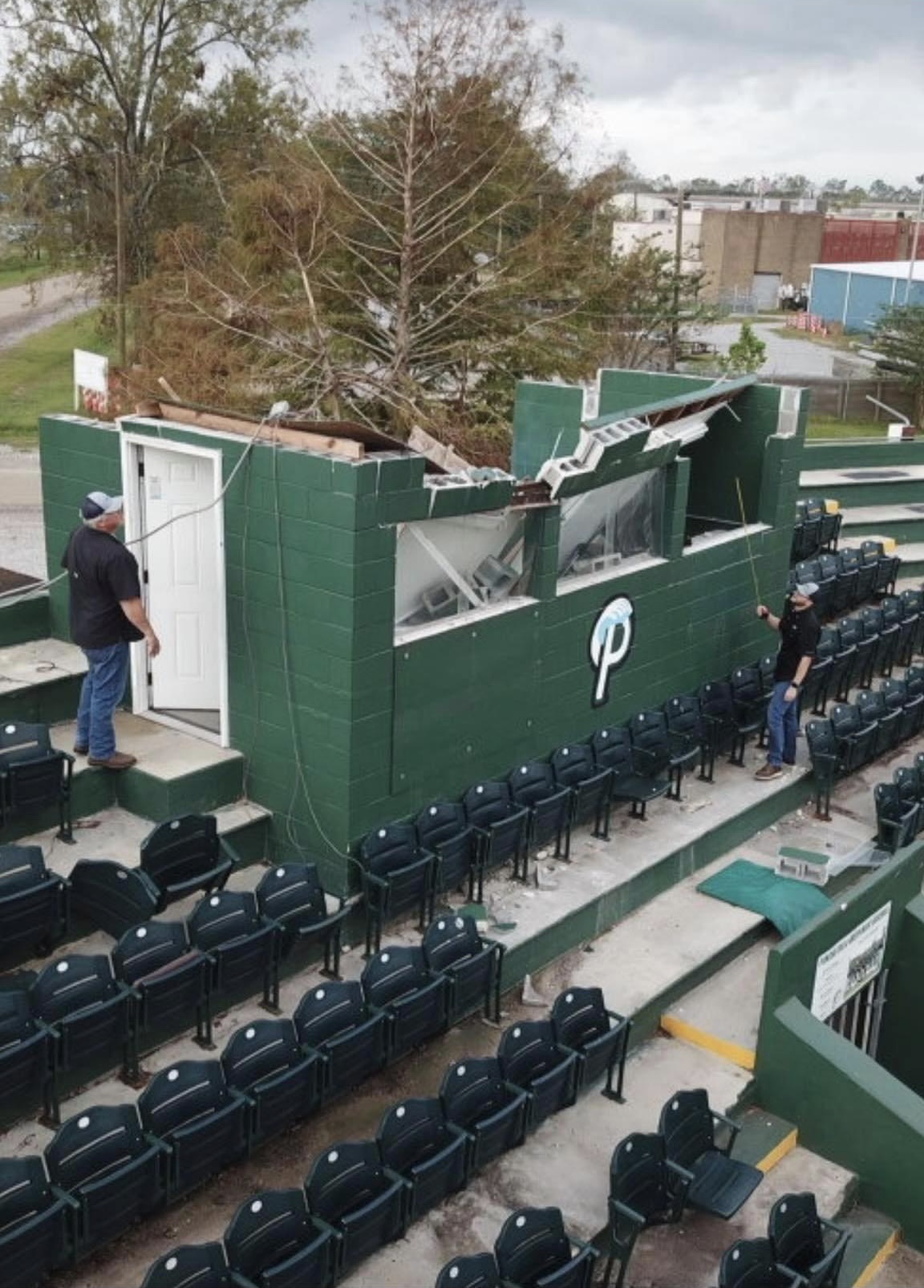
Catastrophe (CAT) adjusters are a specialized type of adjuster who respond to large-scale disasters, such as hurricanes, floods, earthquakes, and wildfires. These events often generate a massive influx of insurance claims, overwhelming the resources of local insurance companies. CAT adjusters are typically independent adjusters or staff adjusters who travel to the affected areas to help process claims quickly and efficiently.
Responsibilities of a Catastrophe Adjuster:
- Rapidly assessing damage and processing claims in disaster-stricken areas.
- Working long hours under challenging conditions.
- Communicating with policyholders who have experienced significant loss.
- Estimating repair costs and negotiating settlements.
- Documenting claims accurately and efficiently.
CAT adjusters play a vital role in helping communities recover from disasters. Their ability to quickly assess damage and process claims ensures that policyholders receive the funds they need to rebuild their lives and businesses.
Choosing the Right Approach for Your Claim
Understanding the different types of insurance adjusters and their roles is crucial for navigating the insurance claims process successfully. Whether you are dealing with a staff adjuster, an independent adjuster, or considering hiring a public adjuster, being informed and prepared will help you protect your interests and ensure a fair settlement. Remember to document everything, communicate clearly, and don't hesitate to seek professional advice if you feel overwhelmed or unsure of your rights.

0 Comments