
The Allure of Financial Independence and Early Retirement (FIRE)
The FIRE movement is gaining momentum as more and more people seek to escape the traditional 9-to-5 grind. The core principle of FIRE is to aggressively save and invest a significant portion of your income, allowing you to build a nest egg large enough to cover your living expenses indefinitely. This financial freedom allows you to retire early, pursue your passions, and live life on your own terms. But achieving FIRE requires a significant lifestyle adjustment, and this is where tiny homes enter the picture.
Tiny Homes: A Powerful Tool for Achieving FIRE
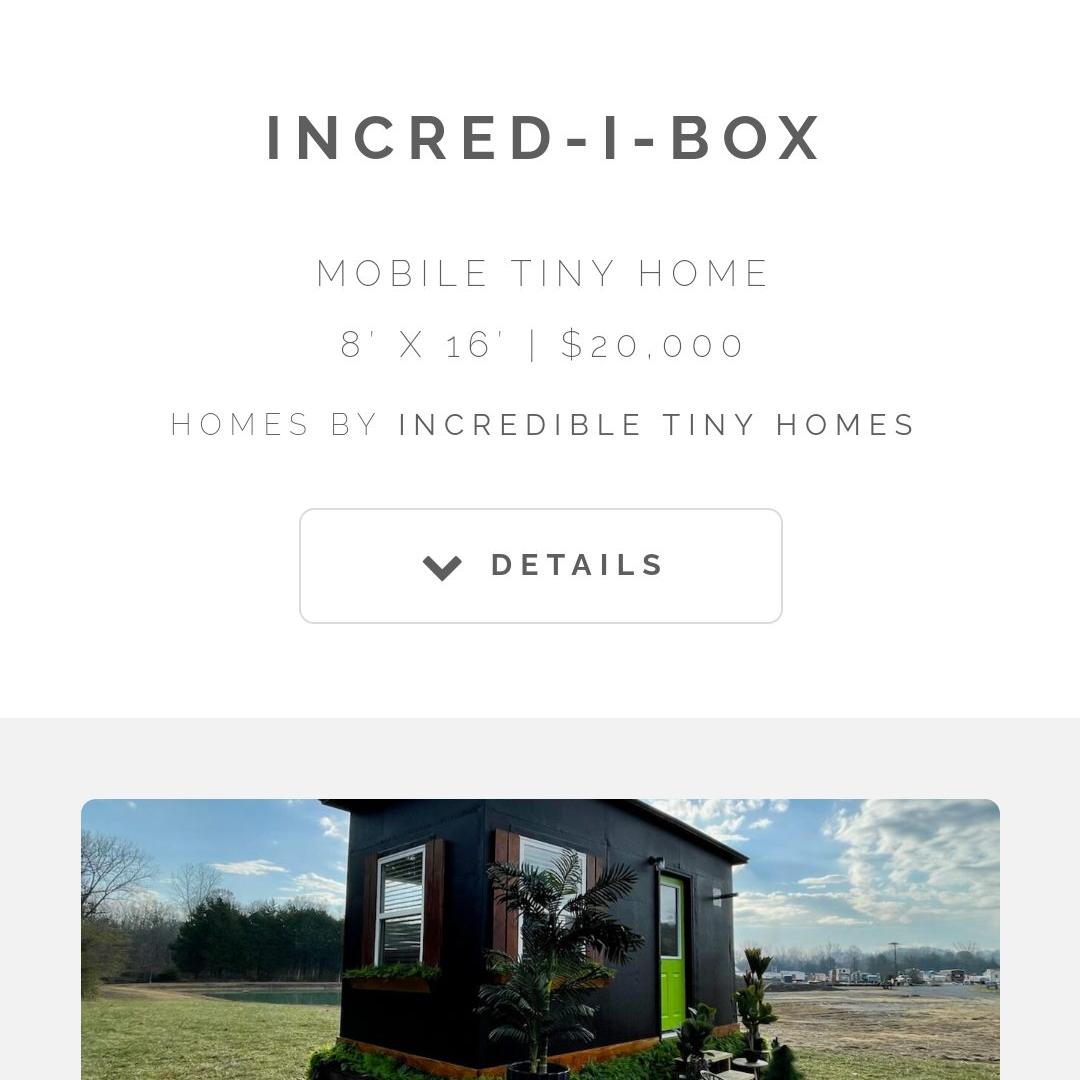
Tiny homes, typically ranging from 100 to 400 square feet, offer a compelling solution for those seeking to accelerate their journey towards financial independence. By drastically reducing housing costs, tiny homes free up a substantial portion of your income for saving and investing. The lower cost isn't just about the initial purchase or construction; it extends to ongoing expenses like property taxes, utilities, and maintenance.
Reduced Housing Costs: A Game Changer
Housing is often the largest expense for most people. Mortgages, rent, property taxes, insurance, and maintenance can consume a significant chunk of your monthly budget. A tiny home significantly reduces or even eliminates these costs. You might choose to build your own tiny home, buy a pre-built one, or even rent a tiny home on wheels. Each option offers a substantial cost reduction compared to traditional housing.
Minimalism and Conscious Consumption
Living in a tiny home encourages minimalism and conscious consumption. With limited space, you are forced to declutter and prioritize what truly matters. This shift in mindset extends beyond your physical possessions and influences your spending habits. You become more mindful of your purchases, avoiding unnecessary expenses and focusing on experiences rather than material goods. This aligns perfectly with the FIRE philosophy of frugality and intentional living.
The Synergy Between Tiny Homes and FIRE Principles
The combination of tiny homes and FIRE principles creates a powerful synergy that accelerates your path to financial independence. Let's explore how these two concepts complement each other:
Accelerated Savings Rate
By drastically reducing your housing expenses, you can significantly increase your savings rate. Instead of spending a large portion of your income on rent or mortgage payments, you can allocate those funds towards investments. This accelerated savings rate allows you to reach your FIRE number (the amount of money you need to retire) much faster.
Lower FIRE Number
Living in a tiny home not only increases your savings rate but also lowers your FIRE number. Since your ongoing expenses are significantly lower, you don't need as large of a nest egg to cover your living costs in retirement. This makes FIRE more attainable and allows you to retire even earlier.
Flexibility and Mobility
Many tiny homes are built on trailers, making them mobile. This provides you with the flexibility to move to different locations, whether it's to pursue job opportunities, explore new environments, or simply enjoy a change of scenery. This mobility can also be a cost-saving advantage, allowing you to move to areas with lower cost of living.
Challenges and Considerations
While tiny homes offer numerous benefits for those pursuing FIRE, it's important to acknowledge the challenges and considerations involved:
Zoning Regulations and Legalities
Zoning regulations for tiny homes vary widely depending on your location. Some areas may have strict building codes, minimum square footage requirements, or restrictions on placing tiny homes on wheels. It's crucial to research and understand the local regulations before investing in a tiny home. You may need to explore options like building on land zoned for accessory dwelling units (ADUs) or finding a tiny home community.
Downsizing and Decluttering
Transitioning to a tiny home requires significant downsizing and decluttering. This can be a challenging process, especially if you're accustomed to living in a larger space. It's important to be realistic about what you truly need and to be willing to let go of possessions that no longer serve you. This process can be emotionally challenging, but it's also liberating and allows you to focus on what truly matters.
Social Perceptions and Lifestyle Adjustments
Living in a tiny home may require some adjustments to your lifestyle and social interactions. You may need to get creative with storage solutions, learn to live with less privacy, and be prepared to answer questions from curious friends and family. It's important to be confident in your decision and to surround yourself with a supportive community.
Building or Buying a Tiny Home
Deciding whether to build your own tiny home or buy a pre-built one is a significant decision. Building your own tiny home allows for customization and can be more cost-effective, but it also requires significant time, effort, and skills. Buying a pre-built tiny home is more convenient but can be more expensive. Carefully weigh the pros and cons of each option before making a decision.
Finding Your Perfect Tiny Home Solution
The best tiny home solution for you will depend on your individual circumstances, budget, and lifestyle. Consider these factors when exploring your options:
Location
Where do you want to live? Research zoning regulations and the cost of land in your desired location. Consider factors like proximity to work, family, and amenities.
Budget
How much can you afford to spend on a tiny home? Factor in the cost of materials, labor (if you're not building it yourself), land, and ongoing expenses like utilities and property taxes.
Lifestyle
How do you plan to use your tiny home? Will it be your primary residence, a vacation home, or a rental property? Consider your lifestyle needs and choose a tiny home that meets those needs.
Design and Functionality
Think about the layout, storage solutions, and functionality of the tiny home. Consider features like a composting toilet, solar panels, and rainwater harvesting to further reduce your environmental impact and expenses.
Tiny Homes: A Sustainable and Fulfilling Lifestyle
Beyond the financial benefits, tiny homes offer a more sustainable and fulfilling lifestyle. By reducing your consumption and living more intentionally, you can minimize your environmental impact and create a more meaningful life. Tiny homes encourage you to connect with nature, spend more time outdoors, and prioritize experiences over material possessions. This aligns perfectly with the FIRE movement's emphasis on living a life of purpose and passion.

0 Comments