
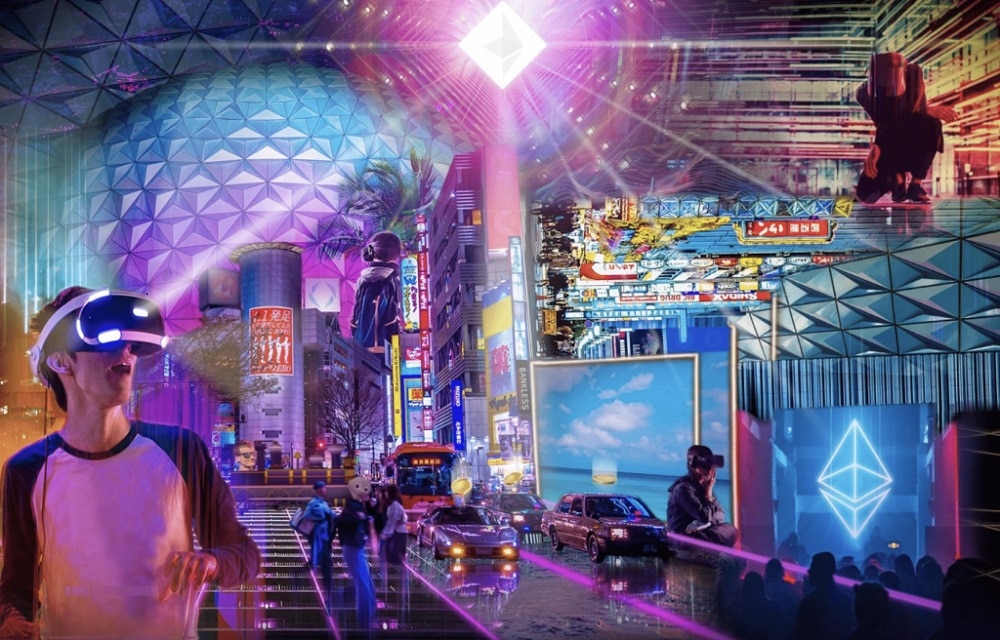
The Metaverse: A New Frontier for Entertainment
The metaverse, a persistent, shared, 3D virtual world, is rapidly transforming numerous industries, and the entertainment sector is no exception. It's poised to revolutionize how we consume, interact with, and even create entertainment experiences. From virtual concerts to immersive gaming and interactive storytelling, the metaverse offers unprecedented opportunities for both creators and consumers. This article explores the profound impact of the metaverse on the entertainment industry, examining the key trends and potential future developments.
Immersive Experiences and New Forms of Entertainment
One of the most significant impacts of the metaverse is the creation of truly immersive experiences. Unlike traditional entertainment formats, the metaverse allows users to actively participate and interact with the content, blurring the lines between observer and participant.
Virtual Concerts and Music Events
Imagine attending a live concert from the comfort of your own home, feeling like you're right in the middle of the crowd. The metaverse makes this a reality. Artists can perform in virtual environments, creating visually stunning and interactive shows that transcend the limitations of physical venues. Fans can interact with each other, customize their avatars, and even influence the performance itself. Platforms like Fortnite and Roblox have already hosted hugely successful virtual concerts, featuring artists like Travis Scott and Ariana Grande, demonstrating the immense potential of this new format.
Interactive Storytelling and Gaming
The metaverse is also revolutionizing storytelling and gaming. Instead of passively watching a movie or playing a game, users can become active participants in the narrative. They can explore virtual worlds, interact with characters, and make choices that directly impact the storyline. This level of interactivity creates a more engaging and memorable experience, fostering a deeper connection between the user and the content. Games like Decentraland and The Sandbox allow users to create their own virtual worlds and experiences, further blurring the lines between creator and consumer.
New Revenue Streams and Business Models
The metaverse is not only changing how entertainment is consumed but also how it's monetized. It's creating new revenue streams and business models for artists, creators, and entertainment companies.
NFTs and Digital Ownership
Non-fungible tokens (NFTs) are playing a crucial role in the metaverse economy. They allow creators to sell unique digital assets, such as virtual artwork, music, and in-game items, directly to fans. This creates a new revenue stream for creators, bypassing traditional intermediaries and giving them more control over their work. NFTs also enable fans to own a piece of their favorite entertainment franchises, fostering a sense of community and loyalty. The ownership of virtual land, avatars, and accessories within metaverse platforms is also facilitated through NFTs, creating a thriving digital economy.
Virtual Advertising and Sponsorships
The metaverse offers new opportunities for advertising and sponsorships. Brands can create virtual storefronts, sponsor virtual events, and even integrate their products into virtual worlds. This allows them to reach a highly engaged audience in a new and innovative way. The immersive nature of the metaverse makes advertising more impactful and memorable, potentially leading to higher conversion rates. For example, a fashion brand could sponsor a virtual fashion show, allowing users to purchase virtual clothing for their avatars.
Challenges and Opportunities
While the metaverse presents immense opportunities for the entertainment industry, it also faces several challenges.
Accessibility and Inclusivity
One of the biggest challenges is ensuring that the metaverse is accessible and inclusive to everyone. The technology required to access the metaverse, such as VR headsets and high-speed internet, can be expensive and inaccessible to many. Furthermore, the lack of diversity in the development of metaverse platforms can lead to biased and exclusionary experiences. Addressing these issues is crucial to ensure that the metaverse benefits everyone, not just a select few.
Content Moderation and Safety
Another challenge is content moderation and safety. The metaverse is a vast and unregulated space, making it difficult to monitor and control harmful content. Issues such as harassment, hate speech, and misinformation can be prevalent in virtual environments. Developing effective content moderation strategies and ensuring user safety are essential for creating a positive and welcoming metaverse experience. This includes implementing reporting mechanisms, utilizing AI-powered moderation tools, and establishing clear community guidelines.
Intellectual Property Rights
Protecting intellectual property rights in the metaverse is also a significant concern. It can be challenging to enforce copyright and trademark laws in virtual environments, where users can easily copy and distribute digital content. Developing new legal frameworks and technological solutions is necessary to protect the rights of creators and prevent infringement. This could involve using blockchain technology to track ownership and authenticity of digital assets.
The Future of Entertainment in the Metaverse
Despite these challenges, the future of entertainment in the metaverse is bright. As technology continues to evolve and the metaverse becomes more accessible, we can expect to see even more innovative and immersive entertainment experiences emerge. The metaverse has the potential to revolutionize how we consume, create, and interact with entertainment, opening up a world of possibilities for artists, creators, and fans alike.
Continued Growth of Virtual Reality and Augmented Reality
The continued growth of virtual reality (VR) and augmented reality (AR) technologies will be crucial for the development of the metaverse. As VR headsets become more affordable and user-friendly, more people will be able to access and experience the metaverse. AR technology will also play a key role, allowing users to seamlessly blend virtual and real-world environments, creating new and exciting entertainment possibilities. Imagine using AR to overlay virtual characters and objects onto your real-world surroundings, turning your living room into a virtual movie set.
Increased Interoperability and Cross-Platform Experiences
Increased interoperability between different metaverse platforms will also be essential for the long-term success of the metaverse. Currently, many metaverse platforms are siloed, meaning that users cannot easily transfer their avatars, items, and experiences between different worlds. As the metaverse evolves, we can expect to see more efforts to create interoperable standards, allowing users to seamlessly move between different platforms and experiences. This will create a more unified and interconnected metaverse, making it more valuable and engaging for users.

0 Comments