
The Evolving Landscape of Elder Care
As the global population ages, the demand for elder care services is rapidly increasing. Traditional methods of caregiving are facing significant challenges, including a shortage of caregivers, rising costs, and the desire of many seniors to age in place – to remain independent and comfortable in their own homes. This confluence of factors is driving innovation in the field of assistive technology and robotics, promising a future where technology plays a more prominent role in supporting the well-being and independence of older adults.
Robotics in Elder Care: A Helping Hand
Robotics are poised to revolutionize elder care, offering a range of solutions to address the physical, emotional, and cognitive needs of seniors. These robots are not meant to replace human caregivers entirely, but rather to augment their capabilities and provide support in areas where human assistance may be limited or unavailable. The potential benefits are immense, ranging from assistance with daily tasks to companionship and cognitive stimulation.
Types of Robots in Elder Care
Several types of robots are being developed and deployed for elder care applications:
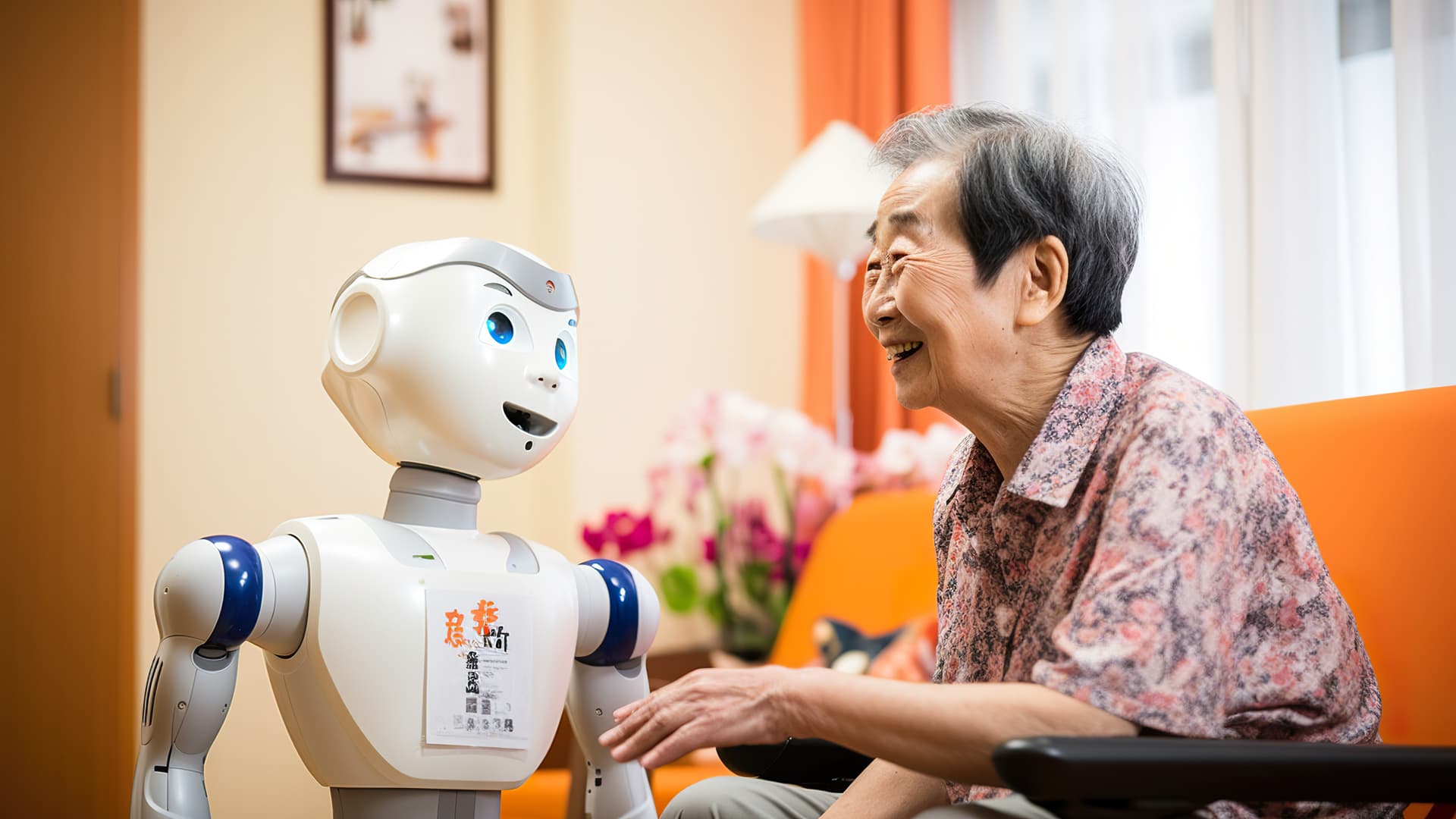
- Companion Robots: These robots are designed to provide social interaction and emotional support. They can engage in conversations, play games, remind seniors of appointments, and even detect emergencies. Some examples include Paro, a therapeutic robot resembling a baby seal, and Pepper, a humanoid robot capable of recognizing emotions and adapting its behavior accordingly.
- Mobility Assistance Robots: These robots assist seniors with mobility issues, helping them to move around safely and independently. They can include powered wheelchairs, exoskeletons, and robotic walkers. These technologies can empower seniors to maintain their mobility and reduce the risk of falls.
- Medication Management Robots: Medication adherence is crucial for managing chronic conditions in older adults. Medication management robots can dispense medications at the correct times and dosages, reducing the risk of errors and improving adherence. They can also send reminders and alerts to caregivers if a dose is missed.
- Household Task Robots: Robots can assist with a variety of household tasks, such as cleaning, cooking, and laundry. These robots can free up caregivers to focus on more complex tasks and improve the quality of life for seniors. Robotic vacuum cleaners are already widely used, and more advanced robots are being developed to handle other household chores.
- Monitoring and Safety Robots: These robots are equipped with sensors and cameras that can monitor a senior's health and safety. They can detect falls, track vital signs, and alert caregivers in case of an emergency. They can also provide remote monitoring capabilities, allowing caregivers to check in on seniors from a distance.
Assistive Technology: Empowering Independence
Assistive technology encompasses a wide range of devices and systems that help individuals with disabilities and age-related limitations to live more independently. These technologies can address a variety of needs, from communication and mobility to sensory impairments and cognitive decline.
Categories of Assistive Technology for Elder Care
Here are some key categories of assistive technology used in elder care:
- Communication Aids: These technologies help seniors with communication difficulties, such as hearing loss, speech impairments, or cognitive decline. Examples include hearing aids, speech amplifiers, voice recognition software, and communication boards.
- Mobility Aids: These technologies assist with mobility and balance, allowing seniors to move around safely and independently. Examples include walkers, canes, wheelchairs, scooters, and stairlifts.
- Sensory Aids: These technologies address sensory impairments, such as vision loss and hearing loss. Examples include magnifying glasses, large-print books, screen readers, hearing aids, and assistive listening devices.
- Cognitive Aids: These technologies assist with cognitive tasks, such as memory, attention, and problem-solving. Examples include memory aids, medication reminders, calendar apps, and cognitive training software.
- Environmental Control Systems: These systems allow seniors to control their environment, such as lighting, temperature, and appliances, using voice commands or remote controls. This can improve comfort and independence.
- Fall Prevention Technologies: These technologies are designed to prevent falls, a leading cause of injury among older adults. Examples include wearable sensors that detect falls, non-slip flooring, and grab bars in bathrooms.
Benefits of Robotics and Assistive Technology in Elder Care
The integration of robotics and assistive technology into elder care offers numerous benefits for seniors, caregivers, and the healthcare system as a whole:
- Improved Independence: These technologies empower seniors to maintain their independence and age in place, allowing them to live in their own homes for longer.
- Enhanced Quality of Life: By providing assistance with daily tasks, companionship, and cognitive stimulation, these technologies can improve the quality of life for seniors.
- Reduced Caregiver Burden: Robotics and assistive technology can reduce the burden on caregivers by automating tasks and providing remote monitoring capabilities.
- Increased Safety: These technologies can enhance safety by detecting falls, monitoring vital signs, and providing medication reminders.
- Cost Savings: While the initial investment in robotics and assistive technology may be significant, these technologies can lead to long-term cost savings by reducing the need for expensive institutional care.
- Personalized Care: Technology can be tailored to meet the unique needs and preferences of each individual, enabling more personalized and effective care.
Challenges and Considerations
Despite the immense potential of robotics and assistive technology in elder care, there are also some challenges and considerations that need to be addressed:
- Cost: The cost of robotics and assistive technology can be a barrier for many seniors and families.
- Accessibility: Ensuring that these technologies are accessible to all seniors, regardless of their income, location, or technological literacy, is crucial.
- Usability: These technologies must be user-friendly and easy to learn, especially for older adults who may have limited experience with technology.
- Privacy: Protecting the privacy of seniors who use these technologies is essential. Data security and ethical considerations must be carefully addressed.
- Acceptance: Some seniors may be reluctant to use robots or other assistive technologies due to concerns about privacy, safety, or a perceived loss of independence.
- Regulation: Clear regulatory guidelines are needed to ensure the safety and effectiveness of these technologies.
The Future is Now
The future of elder care is undeniably intertwined with robotics and assistive technology. As technology continues to advance and become more affordable, we can expect to see even more innovative solutions emerge to support the well-being and independence of older adults. By addressing the challenges and embracing the opportunities, we can create a future where technology empowers seniors to age gracefully and live fulfilling lives.

0 Comments