
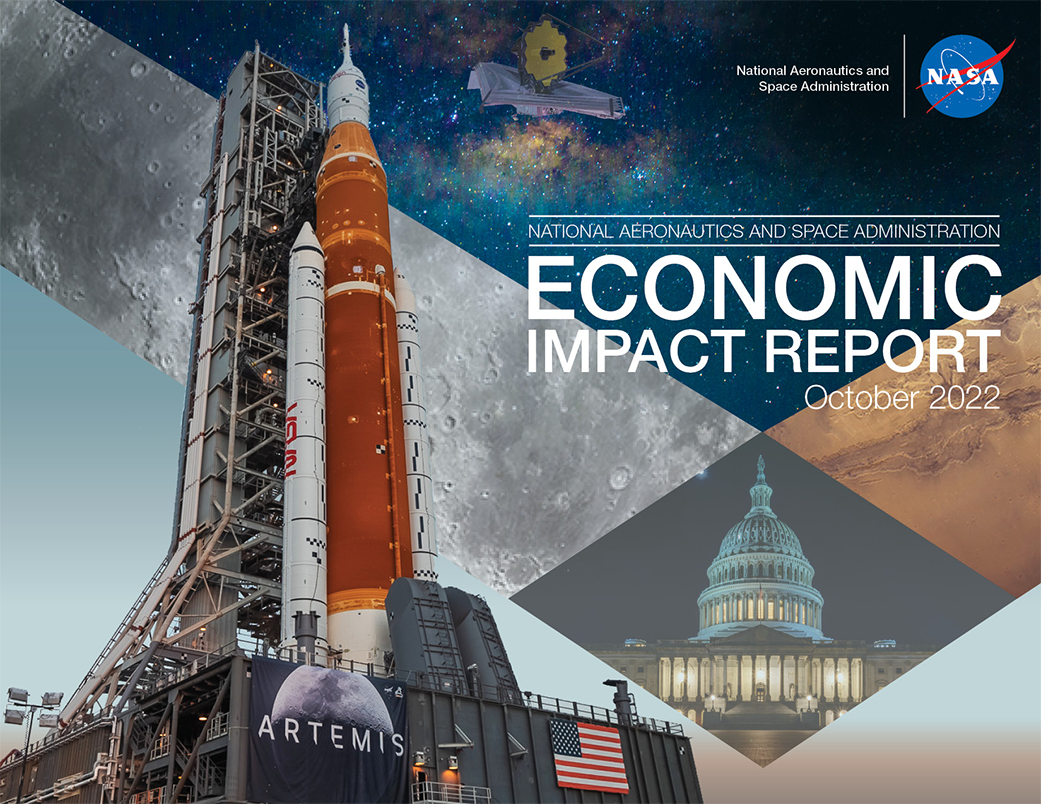
The Multi-Billion Dollar Universe of Space Exploration
Space exploration, often perceived as a purely scientific endeavor, has a profound and multifaceted economic impact that extends far beyond the confines of research laboratories and launchpads. Investing in space programs fuels innovation, creates jobs, and generates significant returns on investment, both directly and indirectly. This article will delve into the diverse ways space exploration contributes to economic growth and societal advancement.
Direct Economic Benefits: Fueling Industries and Creating Jobs
The most immediate economic impact of space exploration lies in the creation and support of a thriving space industry. This sector encompasses a wide range of activities, from the design and manufacturing of spacecraft and satellites to the development of launch vehicles and ground support systems. Government investment in space programs acts as a catalyst, stimulating private sector innovation and attracting further investment.
The Space Industry: A Growing Economic Powerhouse
The global space industry is a multi-billion dollar market, with substantial growth projected in the coming years. This growth is driven by increasing demand for satellite-based services, such as communication, navigation, and Earth observation, as well as the emergence of new commercial space ventures, including space tourism and asteroid mining. The space industry not only generates revenue but also creates high-skilled jobs in engineering, science, and technology.
Job Creation: From Engineers to Technicians
Space exploration creates a wide range of employment opportunities. Engineers are needed to design and build spacecraft, rockets, and other space-related technologies. Scientists are required to analyze data collected from space missions and to develop new technologies for future exploration. Technicians are essential for assembling, testing, and maintaining space hardware. Furthermore, the space industry supports numerous indirect jobs in related sectors, such as manufacturing, logistics, and software development.
Indirect Economic Benefits: Spillovers and Technological Advancements
The economic benefits of space exploration extend far beyond the space industry itself. Investment in space research and development often leads to technological breakthroughs that have applications in other sectors of the economy. These “spinoff” technologies can improve existing products and services, create new industries, and enhance the overall quality of life.
Technological Spillovers: Innovations for Everyday Life
Many technologies that we take for granted today were originally developed for space exploration. Examples include:
- GPS Navigation: Originally developed for satellite tracking, GPS technology is now used in countless applications, from navigation systems in cars to location-based services on smartphones.
- Medical Imaging: Technologies developed for analyzing images from space have been adapted for medical imaging techniques, such as MRI and CAT scans, improving diagnostic capabilities and patient care.
- Water Purification: Advanced water purification systems developed for space missions have been adapted for use in communities with limited access to clean water.
- Scratch-Resistant Lenses: The technology used to create scratch-resistant lenses for astronaut helmets is now used in eyeglasses and sunglasses.
- Memory Foam: Developed by NASA to improve crash protection for airplane seats, memory foam is now widely used in mattresses and pillows.
Stimulating Innovation: A Catalyst for Progress
Space exploration acts as a powerful catalyst for innovation. The challenges of operating in the harsh environment of space require engineers and scientists to develop new materials, technologies, and processes. This drive for innovation can lead to breakthroughs that have applications in other industries, creating new markets and driving economic growth. The need for lighter, stronger, and more durable materials for spacecraft, for example, has led to the development of advanced composites that are now used in the aerospace, automotive, and construction industries.
Long-Term Economic Growth: Investing in the Future
While the direct and indirect economic benefits of space exploration are significant, the long-term economic impact may be even greater. Investing in space exploration is an investment in the future, fostering innovation, creating jobs, and inspiring the next generation of scientists and engineers. Space exploration can also help to address some of the world's most pressing challenges, such as climate change, resource scarcity, and energy security.
Inspiring the Next Generation: STEM Education and Workforce Development
Space exploration has a unique ability to inspire and motivate young people to pursue careers in science, technology, engineering, and mathematics (STEM). The excitement and wonder of space exploration can spark an interest in STEM subjects, leading to a more highly skilled workforce and a more innovative economy. Space programs often include educational outreach initiatives that engage students and teachers, providing them with hands-on learning experiences and opportunities to learn from leading scientists and engineers.
Addressing Global Challenges: Space-Based Solutions
Space exploration can play a critical role in addressing some of the world's most pressing challenges. Earth observation satellites provide valuable data for monitoring climate change, managing natural resources, and responding to natural disasters. Space-based communication systems can connect remote communities and improve access to education and healthcare. Space-based solar power could provide a clean and sustainable source of energy for the future. By investing in space exploration, we can develop the technologies and capabilities needed to address these global challenges and create a more sustainable and prosperous future.
The Economic Impact of Space Tourism
A burgeoning sector within space exploration is space tourism. While still in its early stages, the potential economic impact is substantial. Space tourism not only generates revenue directly through ticket sales but also spurs innovation in related industries, such as aerospace engineering, hospitality, and entertainment. The development of safe and affordable space tourism experiences will require significant investment and technological advancements, further contributing to economic growth and job creation.
Beyond Earth: Resource Utilization and Future Economies
Looking further into the future, space exploration holds the potential to unlock vast resources and create entirely new economies. Asteroid mining, for example, could provide access to valuable minerals and metals that are scarce on Earth. The development of space-based manufacturing could lead to the production of goods in the unique environment of space, such as high-purity materials and advanced pharmaceuticals. These future space economies could create new jobs, generate wealth, and transform our understanding of the universe.

0 Comments