
Getting Started with Real Estate Investing: A Reading List for Beginners
Real estate investing can be a lucrative path to financial freedom, but it can also feel daunting, especially when you're just starting out. The key is to educate yourself thoroughly before diving in. Luckily, there's a wealth of knowledge available in the form of real estate investing books. This list highlights some of the best books for beginners to help you build a solid foundation and avoid common pitfalls.
Understanding the Fundamentals: Essential Reads
Rich Dad Poor Dad by Robert Kiyosaki
While not strictly a real estate book, Rich Dad Poor Dad is a foundational read for anyone interested in building wealth. It challenges conventional wisdom about money and encourages readers to think differently about assets and liabilities. Kiyosaki's personal anecdotes and simple explanations make complex financial concepts accessible to beginners. It emphasizes the importance of financial literacy and investing in assets that generate passive income, which is crucial for real estate success. Specifically, the book teaches you to think like an investor and not like someone who just earns money and spends it all.
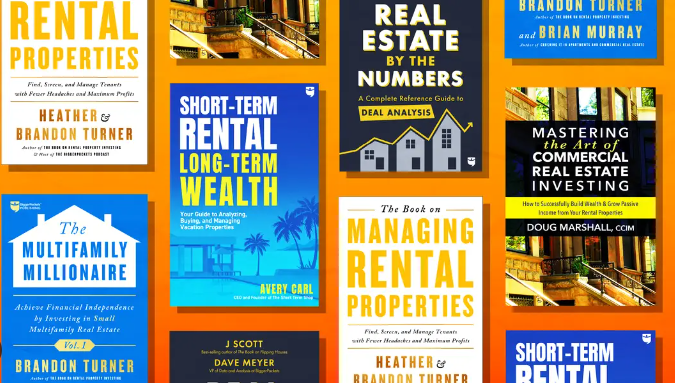
The Book on Rental Property Investing by Brandon Turner
Brandon Turner's The Book on Rental Property Investing is a practical guide for anyone looking to generate passive income through rental properties. This book covers everything from finding profitable deals to managing tenants and maximizing cash flow. It’s packed with actionable advice, real-life examples, and strategies for building a successful rental property portfolio. Turner breaks down complex concepts into easy-to-understand steps, making it perfect for beginners. Key topics include property analysis, financing strategies, and landlord-tenant law.
The Millionaire Real Estate Investor by Gary Keller
Written by the founder of Keller Williams Realty, The Millionaire Real Estate Investor provides a roadmap for building a successful real estate investment business. This book is based on interviews with over 100 millionaire real estate investors, offering insights into their strategies, habits, and mindsets. It covers topics such as setting clear goals, finding profitable deals, and building a strong team. This book is a great resource for beginners who want to learn from the best and develop a long-term investment plan. It emphasizes the importance of focusing on the fundamentals and building a sustainable business.
Deep Diving into Specific Strategies
Long-Distance Real Estate Investing by David Greene
For those who don't live in a hot real estate market or are looking to expand their investment horizons, Long-Distance Real Estate Investing is an invaluable resource. David Greene provides a step-by-step guide to successfully investing in properties located far from your primary residence. The book covers topics such as building a reliable team, conducting due diligence remotely, and managing properties from a distance. It offers practical advice and strategies for overcoming the challenges of long-distance investing. This is especially helpful in today's market where finding deals locally might be difficult. Understanding how to leverage other markets can be a game changer for your real estate investing career.
What Every Real Estate Investor Needs to Know About Cash Flow... And 36 Other Key Financial Measures by Frank Gallinelli
Understanding cash flow is critical to successful real estate investing, and Frank Gallinelli’s book provides a comprehensive guide to this essential topic. The book explains how to calculate and analyze various financial measures, including cash flow, net operating income (NOI), and return on investment (ROI). It’s filled with practical examples and case studies, making it easy for beginners to understand complex financial concepts. This book will help you make informed investment decisions and avoid costly mistakes. Learning to accurately assess the financial viability of a property is paramount, and this book gives you the tools to do just that.
Investing in Real Estate with No (and Low) Money Down by Brandon Turner
Another gem from Brandon Turner, this book explores creative financing strategies that allow you to invest in real estate with little to no money down. It covers various techniques such as seller financing, lease options, and private money lending. Turner provides step-by-step instructions and real-life examples to help you implement these strategies. This book is a must-read for beginners who are short on capital but eager to get started in real estate investing. It will open your eyes to the possibilities and show you that you don't need a fortune to start building wealth through real estate.
Beyond the Basics: Building a Successful Real Estate Business
Hold: How to Find, Buy, and Rent Houses for Wealth by Steve Chader, Linda Liberatore, and Jennice Doty
Hold is a comprehensive guide to building a long-term rental property portfolio. The book covers every aspect of the process, from finding and evaluating properties to managing tenants and maximizing cash flow. It provides practical advice and strategies for building a sustainable rental property business. The authors emphasize the importance of building a strong team and developing a solid business plan. This book is a great resource for beginners who are looking to create a passive income stream through rental properties.
Real Estate Investing for Dummies by Robert S. Griswold and Eric Tyson
Don't let the "Dummies" title fool you; this book is a comprehensive and accessible guide to real estate investing. It covers a wide range of topics, from understanding the real estate market to financing properties and managing tenants. The authors provide clear and concise explanations, making it easy for beginners to grasp the fundamentals. This book is a great starting point for anyone who wants to learn about real estate investing but doesn't know where to begin. It serves as a solid overview and provides a good foundation for further learning.

0 Comments