
Understanding Short Term Investments
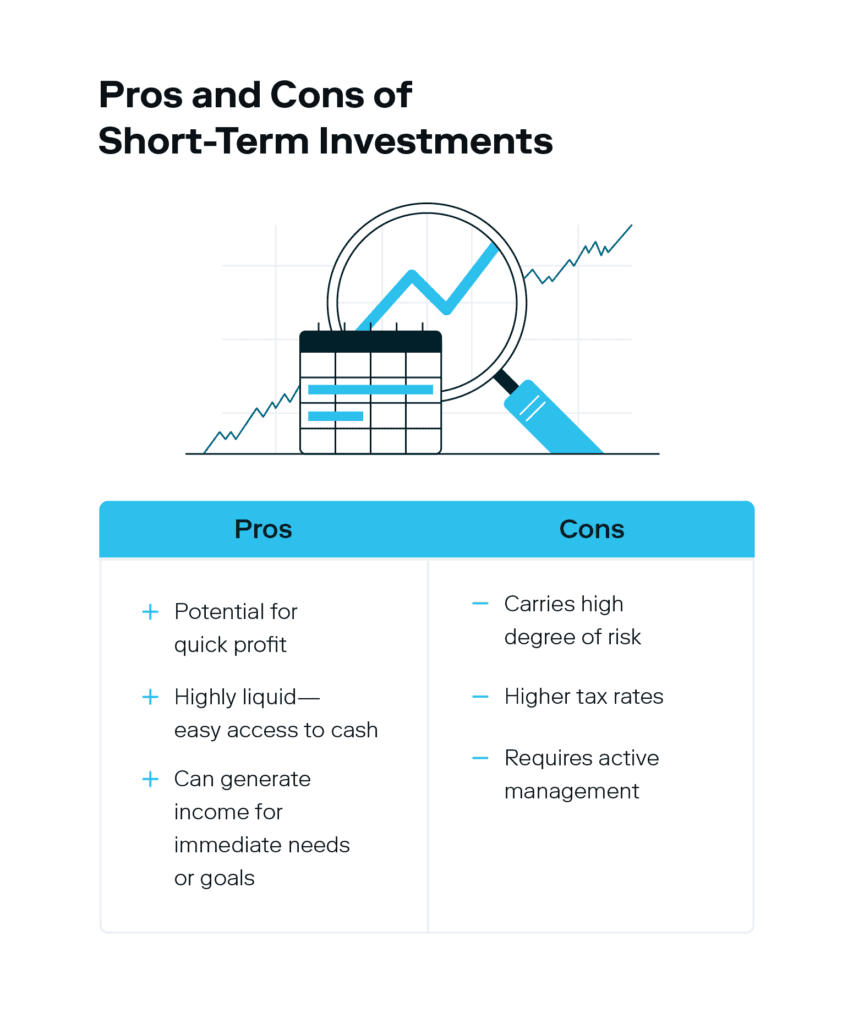
Short term investments are financial ventures that are designed to yield profits within a relatively short period, typically ranging from a few days to a few months. Unlike long-term investments, which aim for gradual growth over years, short term strategies focus on capitalizing on immediate market fluctuations and opportunities. The appeal lies in the potential for quick gains, but it's crucial to understand that these investments often come with higher risks.
Before diving into specific strategies, it's essential to assess your risk tolerance. Short term investing is not for the faint of heart. It requires a stomach for volatility and the ability to make quick decisions. Consider your financial goals, the amount you're willing to risk, and the timeframe you're working with. This self-assessment will help you choose the strategies that align best with your circumstances.
Popular Short Term Investment Strategies
Several strategies cater to those seeking quick profits. Here are some of the most popular, along with their potential benefits and risks:
Day Trading
Day trading involves buying and selling assets within the same trading day. The goal is to profit from small price movements that occur throughout the day. This strategy requires constant monitoring of the market and a deep understanding of technical analysis. Day traders often use leverage to amplify their potential gains, but this also magnifies their losses.
Pros: Potential for high returns in a short period, no overnight risk.
Cons: Extremely risky, requires significant time commitment, high stress levels, substantial capital needed to start.
Swing Trading
Swing trading aims to capture profits from short-term "swings" in price. Traders hold positions for a few days or weeks, capitalizing on price momentum. Swing trading requires less constant monitoring than day trading but still demands a good understanding of technical analysis and market trends.
Pros: Less time-consuming than day trading, potential for decent returns, opportunities to learn technical analysis.
Cons: Requires technical analysis skills, risk of overnight gaps, potential for whipsaws (false signals).
Options Trading
Options trading involves buying and selling contracts that give the holder the right, but not the obligation, to buy or sell an underlying asset at a specific price (the strike price) on or before a specific date (the expiration date). Options can be used for speculation, hedging, or income generation. They offer significant leverage, meaning a small price movement in the underlying asset can result in a large profit or loss.
Pros: High leverage, potential for significant profits with limited capital, various strategies for different market conditions.
Cons: Highly complex, significant risk of losing entire investment, requires thorough understanding of options pricing and strategies, time decay (options lose value as they approach expiration).
Cryptocurrency Trading
Cryptocurrencies, such as Bitcoin and Ethereum, are known for their high volatility, making them attractive for short term traders. Cryptocurrency trading involves buying and selling these digital assets on cryptocurrency exchanges. The market operates 24/7, offering constant trading opportunities.
Pros: High potential returns, 24/7 trading, relatively low barriers to entry.
Cons: Extremely volatile, unregulated market, risk of scams and hacks, requires understanding of blockchain technology.
Forex Trading (Currency Trading)
Forex trading involves buying and selling currencies with the aim of profiting from fluctuations in exchange rates. The forex market is the largest and most liquid financial market in the world, offering numerous trading opportunities. Forex traders often use leverage to amplify their potential gains.
Pros: High liquidity, 24/5 trading, potential for high returns with leverage.
Cons: High leverage can lead to significant losses, requires understanding of global economics and geopolitical events, volatile market.
Investing in Penny Stocks
Penny stocks are shares of small public companies that trade at very low prices, typically below $5 per share. These stocks are highly speculative and volatile, offering the potential for rapid gains but also carrying a significant risk of losses.
Pros: Potential for high percentage gains, low initial investment.
Cons: Extremely risky, limited liquidity, susceptible to manipulation, high risk of losing entire investment.
Key Considerations for Short Term Investing
Before engaging in any short term investment strategy, consider these crucial factors:
Risk Management
Risk management is paramount. Always use stop-loss orders to limit potential losses. Diversify your investments to spread risk across different assets. Never invest more than you can afford to lose.
Technical Analysis
Technical analysis involves studying historical price charts and using technical indicators to identify potential trading opportunities. A solid understanding of technical analysis is crucial for most short term trading strategies.
Market Knowledge
Stay informed about market news and events that could impact your investments. Understand the factors that drive price movements in the assets you are trading.
Discipline and Emotional Control
Short term trading can be emotionally challenging. It's crucial to maintain discipline and avoid making impulsive decisions based on fear or greed. Stick to your trading plan and don't let emotions cloud your judgment.
Liquidity
Ensure that the assets you are trading are liquid, meaning they can be easily bought and sold without significantly affecting the price. Illiquid assets can be difficult to exit quickly, potentially leading to losses.
Transaction Costs
Factor in transaction costs, such as brokerage fees and commissions, when evaluating potential investments. High transaction costs can eat into your profits, especially with frequent trading.
Tools and Resources for Short Term Investors
Numerous tools and resources can help short term investors make informed decisions:
Trading Platforms
Choose a reputable trading platform that offers real-time data, charting tools, and order execution capabilities. Examples include TD Ameritrade, Interactive Brokers, and Robinhood.
Financial News Websites
Stay updated on market news and events by following reputable financial news websites, such as Bloomberg, Reuters, and CNBC.
Technical Analysis Software
Utilize technical analysis software to identify potential trading opportunities and analyze price charts. Examples include TradingView and MetaTrader.
Educational Resources
Continuously educate yourself about short term investing strategies and market dynamics. Numerous books, articles, and online courses are available.
Disclaimer
Investing in financial markets involves risk, and past performance is not indicative of future results. The information provided in this article is for educational purposes only and should not be considered financial advice. Consult with a qualified financial advisor before making any investment decisions.

0 Comments