
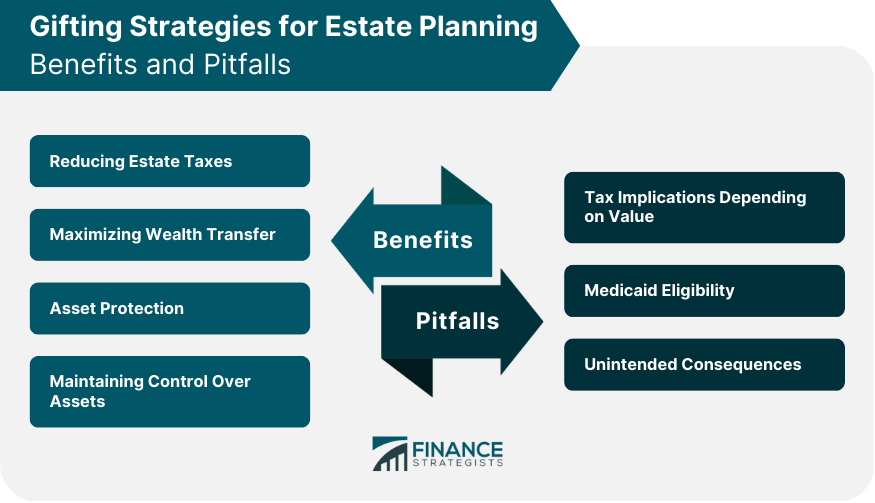
Retirement Planning: The Power of Strategic Gifting
Retirement planning is more than just saving money; it's about strategically managing your assets to ensure a comfortable and secure future. While traditional savings and investments are crucial, incorporating smart gifting strategies can significantly enhance your retirement plan, offering potential tax benefits and helping loved ones along the way. This article explores various gifting strategies you can use to bolster your retirement plan and leave a lasting legacy.
Understanding the Basics of Gifting and Retirement
Before diving into specific strategies, it's essential to understand the fundamental principles of gifting in the context of retirement planning. The primary goal is to transfer assets out of your estate while minimizing taxes and maximizing the impact of your gifts. This can involve gifting to family members, charities, or trusts, each with its own set of rules and potential advantages.
The Annual Gift Tax Exclusion
The annual gift tax exclusion is a powerful tool for reducing your taxable estate. In 2024, you can gift up to $18,000 per individual without incurring gift tax or needing to report the gift to the IRS. This means a married couple can gift up to $36,000 to each individual annually. Over time, these annual gifts can substantially reduce the size of your estate, potentially lowering estate taxes upon your passing. This strategy is particularly effective when gifting to multiple beneficiaries, such as children, grandchildren, and other family members.
For example, a couple with three children and five grandchildren could gift $36,000 to each of them annually, totaling $288,000. This not only provides financial assistance to loved ones but also significantly reduces the estate's value over time.
Gifting Appreciated Assets
Gifting appreciated assets, such as stocks, real estate, or artwork, can be a tax-efficient way to transfer wealth. When you gift an appreciated asset, the recipient inherits your cost basis. This means that if they sell the asset later, they will be responsible for paying capital gains taxes on the appreciation from your original purchase price. However, this can still be beneficial in certain situations.
Why Gift Appreciated Assets?
There are several reasons why gifting appreciated assets might be a smart strategy:
- Lower Tax Bracket: If the recipient is in a lower tax bracket than you, they may pay less in capital gains taxes when they eventually sell the asset.
- Tax Diversification: By transferring assets to multiple individuals, you can diversify the tax burden across different tax situations.
- Charitable Donations: Gifting appreciated assets directly to a qualified charity allows you to deduct the fair market value of the asset from your income taxes, potentially avoiding capital gains taxes altogether.
Funding Education with 529 Plans
529 plans are tax-advantaged savings plans designed for education expenses. While technically not a "gift" in the traditional sense, contributing to a 529 plan for a child or grandchild is a powerful way to support their future education while potentially reducing your taxable estate. Contributions to a 529 plan are considered completed gifts and qualify for the annual gift tax exclusion. Some states even offer state tax deductions for contributions to their 529 plans.
Benefits of 529 Plans
Here are some key benefits of using 529 plans as part of your retirement planning gifting strategy:
- Tax-Free Growth: Earnings within a 529 plan grow tax-free, and withdrawals are tax-free when used for qualified education expenses.
- Flexibility: If the beneficiary doesn't need the funds for education, the account can be transferred to another eligible family member.
- Estate Planning Benefits: Contributions to a 529 plan are considered completed gifts and are removed from your taxable estate. You can even front-load a 529 plan with up to five years' worth of annual gift tax exclusions, as long as you elect to treat the contribution as if it were made evenly over five years.
Setting Up Trusts for Future Generations
Trusts are legal arrangements that allow you to transfer assets to beneficiaries while maintaining some control over how those assets are managed. There are various types of trusts that can be used for retirement planning and gifting, each with its own set of features and benefits.
Irrevocable Life Insurance Trusts (ILITs)
An Irrevocable Life Insurance Trust (ILIT) is a type of trust designed to hold a life insurance policy. The primary benefit of an ILIT is that it can remove the life insurance proceeds from your taxable estate. When you die, the life insurance proceeds are paid to the trust, which can then be used to benefit your heirs according to the terms of the trust. This can provide significant estate tax savings.
Grantor Retained Annuity Trusts (GRATs)
A Grantor Retained Annuity Trust (GRAT) is an irrevocable trust where you, the grantor, receive a fixed annuity payment for a specified period. At the end of the term, the remaining assets in the trust are transferred to your beneficiaries. If the assets in the trust appreciate at a rate higher than the IRS's Section 7520 rate (a benchmark interest rate), the excess appreciation is transferred to your beneficiaries tax-free.
Qualified Personal Residence Trusts (QPRTs)
A Qualified Personal Residence Trust (QPRT) is an irrevocable trust that allows you to transfer your home to your beneficiaries while continuing to live in it for a specified term. At the end of the term, ownership of the home transfers to your beneficiaries. This can be a valuable estate planning tool, as it removes the value of your home from your taxable estate. You will need to pay fair market rent to your beneficiaries to continue living in the home after the term expires.
Charitable Gifting Strategies
Incorporating charitable giving into your retirement plan can provide both personal satisfaction and potential tax benefits. There are several ways to donate to charity while optimizing your retirement plan.
Qualified Charitable Distributions (QCDs)
If you are age 70 ½ or older, you can make a Qualified Charitable Distribution (QCD) directly from your IRA to a qualified charity. QCDs can be used to satisfy your required minimum distribution (RMD) and are excluded from your taxable income. This can be a particularly effective strategy for retirees who do not need their RMD for living expenses.
Donating Appreciated Securities
Donating appreciated securities, such as stocks or bonds, directly to a qualified charity allows you to avoid paying capital gains taxes on the appreciation. You can also deduct the fair market value of the securities from your income taxes, up to certain limitations. This can be a more tax-efficient way to donate than selling the securities and donating the cash proceeds.
The Importance of Professional Advice
Retirement planning and gifting strategies can be complex, and it's essential to seek professional advice from a qualified financial advisor, estate planning attorney, or tax professional. They can help you assess your individual circumstances, develop a personalized plan, and ensure that you are complying with all applicable laws and regulations. A professional can also help you navigate the complexities of trusts, taxes, and estate planning to maximize the benefits of your gifting strategies.

0 Comments