
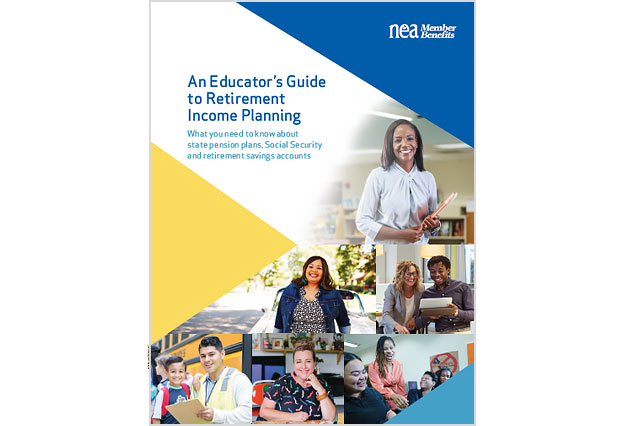
Retirement Planning for Teachers: Securing Your Future
For teachers, shaping young minds is a calling, a passion, and a career. However, amidst the daily demands of lesson planning, grading papers, and nurturing students, it's easy to overlook a crucial aspect of your future: retirement planning. A well-thought-out retirement plan is essential for ensuring financial security and a comfortable lifestyle after years of dedicated service. This guide provides a comprehensive overview of retirement planning specifically tailored for teachers.
Understanding Your Pension Plan
Many teachers benefit from defined-benefit pension plans, which guarantee a specific monthly income upon retirement based on factors like years of service and salary. Understanding the intricacies of your pension plan is the first step in effective retirement planning.
Key Aspects of Your Pension Plan
Here are some key aspects to investigate regarding your pension plan:
- Vesting Period: How long do you need to work to be eligible for full benefits?
- Benefit Calculation: How is your monthly retirement income calculated? What is the formula used?
- Early Retirement Options: Are there options for retiring early, and what are the associated penalties or reductions in benefits?
- Survivor Benefits: What happens to your pension if you pass away before or after retirement? Does your spouse receive benefits?
- Cost of Living Adjustments (COLAs): Will your pension income be adjusted for inflation over time?
Contact your pension plan administrator or human resources department to obtain a copy of your plan documents and address any questions you may have. Don't hesitate to ask for clarification on any aspect that is unclear.
Exploring Supplemental Retirement Savings: 403(b) Plans
While a pension provides a solid foundation, relying solely on it might not be sufficient to achieve your desired retirement lifestyle. This is where supplemental retirement savings plans, such as 403(b) plans, come into play.
What is a 403(b) Plan?
A 403(b) plan is a retirement savings plan similar to a 401(k), but it's specifically designed for employees of public schools and certain non-profit organizations. These plans offer tax advantages to encourage saving for retirement.
Benefits of Contributing to a 403(b)
- Tax-Deferred Growth: Your contributions and any earnings grow tax-deferred, meaning you don't pay taxes until you withdraw the money in retirement.
- Potential Employer Matching: Some school districts offer matching contributions, essentially providing "free money" towards your retirement savings.
- Investment Options: 403(b) plans typically offer a range of investment options, such as mutual funds, annuities, and target-date funds.
- Flexibility: You can often choose the amount you want to contribute and adjust it as your financial situation changes.
Choosing the Right 403(b) Investments
Selecting the right investments within your 403(b) plan is crucial for maximizing your returns and achieving your retirement goals. Consider the following factors:
- Risk Tolerance: How comfortable are you with market fluctuations? Younger teachers with a longer time horizon can typically afford to take on more risk.
- Investment Goals: What are your retirement income needs? A more aggressive investment strategy may be necessary to achieve higher returns.
- Expense Ratios: Pay attention to the expense ratios of the investment options. Lower expense ratios mean more of your money goes towards investment returns.
- Diversification: Diversify your investments across different asset classes, such as stocks, bonds, and real estate, to reduce risk.
Consider consulting with a financial advisor to help you choose the right investment strategy for your 403(b) plan.
Estimating Your Retirement Expenses
A realistic assessment of your future expenses is a critical component of retirement planning. Understanding how much money you'll need each month will help you determine if your pension and supplemental savings will be sufficient.
Factors to Consider When Estimating Expenses
- Housing: Will you continue to own your home, or will you downsize or move to a different location?
- Healthcare: Healthcare costs tend to increase in retirement. Factor in potential medical expenses, including insurance premiums, co-pays, and prescription drugs.
- Travel and Leisure: Do you plan to travel extensively or pursue hobbies that require significant expenses?
- Taxes: Consider the impact of taxes on your retirement income. Your pension and 403(b) withdrawals will likely be subject to income tax.
- Inflation: Account for inflation, which erodes the purchasing power of your money over time.
Use online retirement calculators or work with a financial advisor to create a detailed retirement budget.
Creating a Financial Plan and Seeking Professional Advice
Retirement planning can be complex, and it's often beneficial to seek professional guidance from a qualified financial advisor. A financial advisor can help you:
- Assess your financial situation: Analyze your assets, liabilities, income, and expenses.
- Develop a personalized retirement plan: Create a roadmap to achieve your retirement goals.
- Choose the right investments: Select appropriate investment options for your 403(b) and other accounts.
- Manage your investments: Monitor your portfolio and make adjustments as needed.
- Navigate complex financial decisions: Provide guidance on Social Security claiming strategies, tax planning, and estate planning.
When choosing a financial advisor, look for someone who is a Certified Financial Planner (CFP) and has experience working with teachers and other public employees.
Staying Informed and Making Adjustments
Retirement planning is an ongoing process. It's important to stay informed about changes in your pension plan, investment options, and tax laws. Review your financial plan regularly and make adjustments as needed to ensure you're on track to achieve your retirement goals.
By taking proactive steps to plan for retirement, teachers can secure their financial future and enjoy a well-deserved retirement after years of dedicated service.

0 Comments