
Why Smart Homes are the Future of Real Estate Investing
The real estate landscape is constantly evolving, and one of the most significant shifts we're seeing is the rise of smart homes. These aren't just trendy gadgets; they represent a fundamental change in how people interact with their living spaces. For real estate investors, understanding and embracing smart home technology is no longer optional—it's crucial for maximizing returns and staying ahead of the curve.
Smart homes, equipped with devices that automate tasks and provide remote control over various functions, are becoming increasingly desirable to renters and buyers alike. From enhanced security and energy efficiency to increased convenience and entertainment options, smart home features offer a compelling value proposition that can significantly boost property values and rental income.
Understanding Smart Home Technology
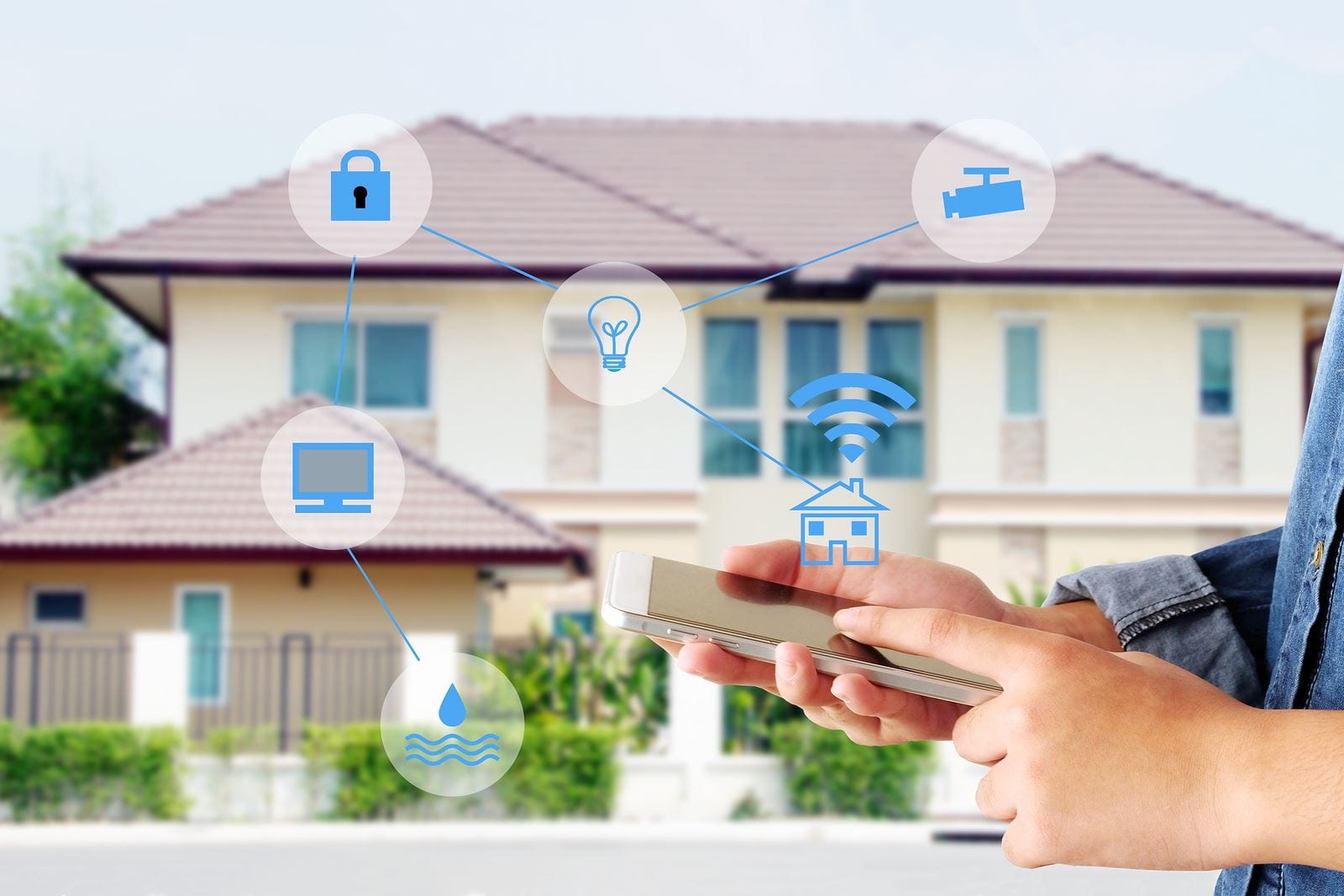
Before diving into the investment strategies, it's essential to understand what constitutes a smart home and the various technologies involved. A smart home is essentially a residence equipped with devices that can be controlled remotely, often through a smartphone app or voice command. These devices are interconnected and can automate various tasks, improving convenience, security, and energy efficiency.
Key Smart Home Features to Consider:
- Smart Security Systems: These include features like smart locks, security cameras (indoor and outdoor), motion sensors, and alarm systems that can be controlled remotely and provide real-time notifications.
- Smart Lighting: Smart bulbs and lighting systems allow homeowners or tenants to control the brightness, color, and on/off schedules remotely, often with voice commands.
- Smart Thermostats: These devices learn heating and cooling preferences and automatically adjust the temperature to optimize comfort and energy savings.
- Smart Appliances: Refrigerators, ovens, washing machines, and dryers can be connected to the internet, allowing for remote control, monitoring, and even predictive maintenance.
- Smart Entertainment Systems: This includes features like voice-controlled speakers, smart TVs, and multi-room audio systems that seamlessly integrate into the home.
- Smart Irrigation Systems: For properties with gardens, smart irrigation systems can automatically adjust watering schedules based on weather conditions and soil moisture levels, saving water and reducing maintenance.
Benefits of Investing in Smart Homes
Investing in smart homes offers a multitude of benefits for real estate investors. These advantages extend beyond simply attracting tenants or buyers; they contribute to long-term profitability and property value appreciation.
Increased Property Value
Smart home features can significantly increase the value of a property. Potential buyers and renters are often willing to pay a premium for homes that offer the convenience, security, and energy efficiency of smart technology. A well-equipped smart home can stand out in a competitive market and command a higher price.
Attracting High-Quality Tenants
Smart homes are particularly appealing to tech-savvy millennials and Gen Z renters who value convenience and innovation. By investing in smart home features, you can attract a higher quality tenant base, reducing vacancy rates and increasing rental income. Tenants who appreciate the benefits of smart technology are often more likely to renew their leases.
Reduced Operating Costs
Smart home technology can help reduce operating costs for landlords. Smart thermostats, for example, can automatically adjust the temperature when the property is vacant, saving on energy bills. Smart irrigation systems can reduce water consumption, and smart security systems can help prevent theft and vandalism. These cost savings can significantly impact the bottom line.
Enhanced Property Management
Smart home devices can streamline property management tasks. Landlords can remotely monitor the property's security, temperature, and water usage, allowing them to identify potential problems early on. Smart locks can also simplify access management, making it easier to grant entry to maintenance personnel or prospective tenants.
Strategies for Real Estate Investing in Smart Homes
There are various strategies for incorporating smart home technology into your real estate investments. The best approach will depend on your budget, target market, and investment goals.
Renovating Existing Properties
One common strategy is to renovate existing properties with smart home features. This can involve upgrading appliances, installing smart thermostats, adding smart security systems, and integrating smart lighting. When renovating, it's essential to focus on features that will provide the most value to your target market. Research which smart home technologies are most in-demand in your area and prioritize those upgrades.
Building New Smart Homes
Another option is to build new smart homes from the ground up. This allows you to integrate smart technology seamlessly into the design of the property. You can work with architects and builders who specialize in smart home construction to create homes that are both functional and technologically advanced.
Targeting Specific Demographics
Consider targeting specific demographics with your smart home investments. For example, you might focus on building or renovating properties for families with young children, incorporating features like smart baby monitors and smart home security systems. Alternatively, you could target older adults with features like voice-controlled assistants and smart medical alert systems.
Choosing the Right Smart Home Technology
Selecting the right smart home technology is crucial for maximizing your return on investment. Focus on choosing reliable, user-friendly devices that are compatible with each other. Consider the long-term costs of maintenance and upgrades, and choose products that are likely to remain supported by the manufacturer for years to come. Research different brands and read reviews to ensure you are investing in high-quality products.
Potential Challenges and Considerations
While investing in smart homes offers numerous benefits, it's essential to be aware of potential challenges and considerations.
Cost
Smart home technology can be expensive, and the initial investment can be a significant barrier for some investors. However, it's important to view smart home upgrades as a long-term investment that will pay off in the form of increased property value, higher rental income, and reduced operating costs.
Security Concerns
Smart home devices can be vulnerable to hacking and cyberattacks. It's important to take steps to protect the security of your smart home network, such as using strong passwords, regularly updating software, and installing a firewall. Educate tenants about the importance of cybersecurity and provide them with resources to protect their own devices.
Technical Issues
Smart home devices can sometimes experience technical glitches or compatibility issues. It's important to have a plan in place for troubleshooting these problems. Consider hiring a smart home technician who can provide support and maintenance services.
Privacy Concerns
Some tenants may be concerned about the privacy implications of smart home technology. Be transparent about the data that is being collected by smart home devices and explain how that data is being used. Provide tenants with options to control their own data and privacy settings.
The Future of Smart Home Investing
The smart home market is expected to continue to grow rapidly in the coming years. As technology advances and prices come down, smart home features will become even more commonplace in residential properties. Real estate investors who embrace this trend and incorporate smart home technology into their portfolios will be well-positioned to succeed in the future.

0 Comments