
Understanding Inflation and Its Impact on Real Estate
Inflation, the rate at which the general level of prices for goods and services is rising, significantly impacts various sectors of the economy, and real estate is no exception. Understanding how inflation affects the real estate market is crucial for making informed investment decisions. During inflationary periods, the purchasing power of money decreases, meaning the same amount of money buys fewer goods and services. This can lead to increased costs for construction materials, labor, and property maintenance, ultimately affecting property values and rental rates.
One of the primary ways inflation impacts real estate is through rising interest rates. To combat inflation, central banks often increase interest rates, making borrowing more expensive. This can dampen demand for housing as mortgages become less affordable, potentially leading to a slowdown in price appreciation or even price corrections in some markets. However, real estate can also act as a hedge against inflation, as rents and property values tend to increase alongside rising prices, providing a potential buffer against the eroding effects of inflation.
Real Estate as an Inflation Hedge
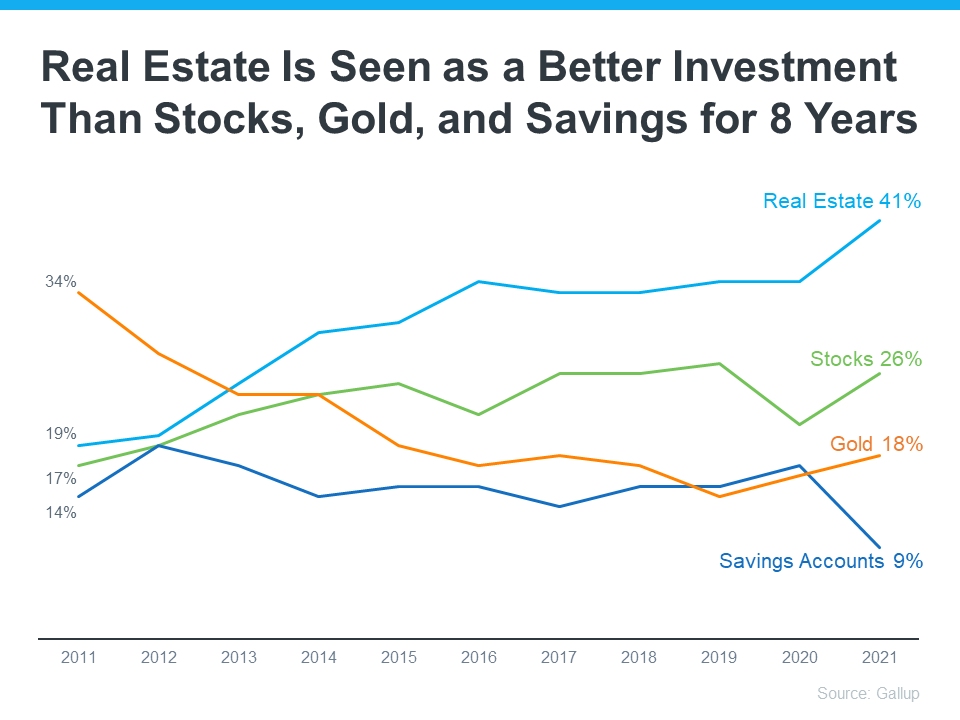
Real estate is often considered a tangible asset, meaning its value is derived from its physical existence. Unlike paper assets like stocks and bonds, real estate has intrinsic value that can withstand inflationary pressures. As the cost of goods and services increases, so too does the value of real estate, particularly if the property generates income through rental payments. This makes real estate an attractive investment option during periods of high inflation.
Furthermore, rental income can provide a steady stream of cash flow that keeps pace with inflation. Landlords can adjust rental rates to reflect the increasing cost of living, ensuring that their income remains aligned with inflationary pressures. This ability to adjust rental rates is a significant advantage of real estate investing during inflation, as it helps to maintain the real value of the investment.
Different Types of Real Estate and Their Performance During Inflation
Not all types of real estate perform equally well during inflationary periods. Some sectors are more resilient and offer better protection against inflation than others. Here's a brief overview of how different types of real estate tend to perform:
- Residential Real Estate: Generally, residential real estate holds its value well during inflation. As mentioned earlier, rental income can be adjusted to keep pace with rising prices. Demand for housing remains relatively constant, even during economic downturns, as people always need a place to live.
- Commercial Real Estate: Commercial properties like office buildings, retail spaces, and industrial warehouses can also be good inflation hedges, particularly if lease agreements include clauses that allow for rent increases tied to inflation indices. However, the performance of commercial real estate can be more sensitive to economic conditions than residential real estate.
- Agricultural Land: Agricultural land can be an excellent inflation hedge, as the demand for food remains constant regardless of economic conditions. Rising food prices translate into higher income for farmers, which can then be reflected in the value of agricultural land.
- REITs (Real Estate Investment Trusts): REITs are companies that own, operate, or finance income-producing real estate. Investing in REITs can provide exposure to the real estate market without the need to directly own property. REITs can offer diversification and liquidity, but their performance can be influenced by broader market trends and interest rate fluctuations.
Strategies for Real Estate Investing During Inflation
Successfully navigating the real estate market during inflation requires a strategic approach. Here are some key strategies to consider:
Focus on Cash Flow
Prioritize properties that generate strong cash flow. Look for properties in high-demand areas with solid rental potential. A positive cash flow helps to offset the increased costs associated with inflation and provides a buffer against potential economic downturns. Carefully analyze potential rental income and operating expenses to ensure that the property is financially viable.
Consider Shorter-Term Leases
Shorter-term leases allow for more frequent rent adjustments, enabling landlords to keep pace with inflation more effectively. While longer-term leases provide stability, they may not offer the flexibility needed to adjust rental rates in a rapidly changing economic environment. Evaluate the pros and cons of different lease durations based on your specific investment goals and market conditions.
Manage Debt Wisely
Be cautious about taking on excessive debt during inflationary periods. Rising interest rates can make debt more expensive, potentially impacting your cash flow and profitability. Consider fixed-rate mortgages to lock in a consistent interest rate and protect yourself from future rate increases. Avoid adjustable-rate mortgages, as they can become significantly more expensive as interest rates rise.
Invest in Value-Add Properties
Value-add properties offer the potential to increase rental income through renovations and improvements. By upgrading a property, you can justify higher rental rates and attract higher-quality tenants. This strategy can be particularly effective during inflationary periods, as it allows you to increase your income potential while also improving the value of your investment.
Diversify Your Portfolio
Diversification is a key principle of sound investing, and it applies to real estate as well. Consider diversifying your portfolio across different property types, locations, and investment strategies. This can help to mitigate risk and improve your overall returns. For example, you might invest in a mix of residential, commercial, and agricultural properties in different geographic regions.
Risks to Consider
While real estate can be a valuable asset during inflation, it's essential to be aware of the potential risks involved:
- Rising Interest Rates: As mentioned earlier, rising interest rates can make mortgages more expensive and dampen demand for housing. This can lead to a slowdown in price appreciation or even price corrections in some markets.
- Economic Recession: Inflation can sometimes lead to economic recession, which can negatively impact the real estate market. During a recession, unemployment rates tend to rise, which can reduce demand for housing and commercial space.
- Increased Operating Expenses: Inflation can also lead to increased operating expenses for property owners, such as property taxes, insurance, and maintenance costs. These increased expenses can eat into your cash flow and reduce your profitability.
- Vacancy Rates: During inflationary periods, tenants may struggle to afford rent increases, which can lead to higher vacancy rates. Vacant properties generate no income, which can negatively impact your cash flow.
By understanding the risks and rewards of real estate investing during inflation, you can make informed decisions and position yourself for success. Careful planning, strategic investing, and diligent management are essential for navigating the challenges and opportunities presented by an inflationary environment.

0 Comments