
Understanding the Landscape of Insurance Risk Management
The insurance industry inherently deals with risk. From assessing the likelihood of a car accident to predicting the impact of a natural disaster, understanding and managing risk is paramount to the success and stability of any insurance company. Consequently, insurance risk management is a critical function, and senior leadership roles in this area are highly sought after and strategically important.
These roles are not just about avoiding losses; they're about identifying opportunities, optimizing capital allocation, and ensuring the long-term viability of the organization. They involve a deep understanding of actuarial science, finance, regulatory compliance, and the broader economic environment.
Key Senior Leadership Roles in Insurance Risk Management
The specific titles and responsibilities may vary across different insurance companies, but some common senior leadership roles within insurance risk management include:
Chief Risk Officer (CRO)
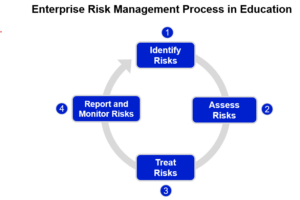
The CRO is typically the highest-ranking risk management executive within an insurance organization. They are responsible for developing and implementing the overall risk management strategy, overseeing all aspects of risk identification, assessment, mitigation, and monitoring. The CRO reports directly to the CEO and often sits on the executive committee, ensuring that risk considerations are integrated into all major business decisions.
A CRO's responsibilities include:
- Developing and implementing the enterprise risk management (ERM) framework
- Identifying and assessing key risks, including strategic, operational, financial, and regulatory risks
- Developing and implementing risk mitigation strategies
- Monitoring and reporting on risk exposures
- Ensuring compliance with relevant regulations
- Providing leadership and guidance to the risk management team
- Communicating risk-related information to the board of directors and senior management
Head of Actuarial Risk Management
This role focuses specifically on the actuarial aspects of risk management. The Head of Actuarial Risk Management oversees the development and validation of actuarial models, the assessment of insurance liabilities, and the management of underwriting risks. They work closely with the actuarial team to ensure that pricing and reserving practices are sound and that the company is adequately capitalized to meet its obligations.
Key responsibilities include:
- Overseeing the development and validation of actuarial models
- Assessing the adequacy of insurance reserves
- Managing underwriting risks
- Ensuring compliance with actuarial standards of practice
- Providing actuarial support to other departments, such as underwriting and finance
Head of Operational Risk Management
Operational risk management focuses on the risks associated with a company's internal processes, systems, and people. The Head of Operational Risk Management is responsible for identifying, assessing, and mitigating operational risks, such as fraud, errors, and system failures. They work to improve the efficiency and effectiveness of internal controls and to minimize the potential for operational losses.
This leader is typically responsible for:
- Developing and implementing the operational risk management framework
- Identifying and assessing operational risks
- Developing and implementing risk mitigation strategies
- Monitoring and reporting on operational risk exposures
- Ensuring compliance with relevant regulations and internal policies
Head of Investment Risk Management
Insurance companies invest significant amounts of capital to generate returns and meet their obligations to policyholders. The Head of Investment Risk Management is responsible for overseeing the risks associated with the company's investment portfolio. This includes managing market risk, credit risk, and liquidity risk. They work closely with the investment team to ensure that the portfolio is aligned with the company's risk appetite and that appropriate risk management controls are in place.
Responsibilities often include:
- Developing and implementing the investment risk management framework
- Identifying and assessing investment risks
- Developing and implementing risk mitigation strategies
- Monitoring and reporting on investment risk exposures
- Ensuring compliance with relevant regulations and internal policies
Chief Compliance Officer (CCO)
While not strictly a risk management role, the CCO plays a crucial role in mitigating regulatory and legal risks. They are responsible for ensuring that the company complies with all applicable laws and regulations. This includes developing and implementing compliance programs, conducting internal audits, and investigating potential compliance violations. The CCO often works closely with the risk management team to identify and address regulatory risks.
The CCO's responsibilities encompass:
- Developing and implementing compliance programs
- Conducting internal audits
- Investigating potential compliance violations
- Ensuring compliance with all applicable laws and regulations
Skills and Qualifications for Senior Insurance Risk Management Roles
To succeed in senior leadership roles in insurance risk management, individuals typically need a combination of technical skills, leadership abilities, and industry experience. Some key skills and qualifications include:
Strong Analytical and Problem-Solving Skills
Risk management involves analyzing large amounts of data, identifying patterns, and developing solutions to complex problems. Senior leaders need to be able to think critically and make sound judgments based on incomplete information.
Deep Understanding of Insurance Principles
A thorough understanding of insurance products, underwriting practices, and actuarial science is essential. This includes knowledge of different types of insurance risks, such as property and casualty, life and health, and specialty lines.
Experience with Risk Management Frameworks
Familiarity with enterprise risk management (ERM) frameworks, such as COSO and ISO 31000, is highly valued. Senior leaders need to be able to develop and implement risk management frameworks that are tailored to the specific needs of the organization.
Excellent Communication and Interpersonal Skills
Risk management professionals need to be able to communicate effectively with a wide range of stakeholders, including senior management, the board of directors, regulators, and employees. They need to be able to explain complex concepts in a clear and concise manner and to build consensus around risk management strategies.
Leadership and Management Skills
Senior leaders need to be able to lead and motivate teams, delegate tasks effectively, and provide guidance and support to their staff. They also need to be able to manage projects and meet deadlines.
Relevant Education and Certifications
A bachelor's degree in a related field, such as actuarial science, finance, economics, or business administration, is typically required. Advanced degrees, such as a master's degree or MBA, are often preferred. Professional certifications, such as the Chartered Enterprise Risk Analyst (CERA), the Financial Risk Manager (FRM), or the Professional Risk Manager (PRM), can also enhance career prospects.
The Future of Insurance Risk Management
The insurance industry is constantly evolving, and risk management is becoming increasingly complex. Emerging technologies, such as artificial intelligence and blockchain, are creating new opportunities and challenges for risk managers. Regulatory requirements are also becoming more stringent, requiring insurance companies to invest in robust risk management systems and processes.
As a result, the demand for skilled and experienced risk management professionals is expected to continue to grow in the coming years. Senior leadership roles in insurance risk management will become even more critical as companies strive to navigate the evolving risk landscape and maintain their competitive advantage.
Finding Senior Leadership Roles
Senior insurance risk management roles are often filled through executive search firms specializing in the insurance and financial services industries. Networking within the industry, attending conferences, and actively participating in professional organizations can also help individuals identify potential opportunities. Online job boards, such as LinkedIn and Indeed, are also valuable resources for finding senior-level positions.

0 Comments