
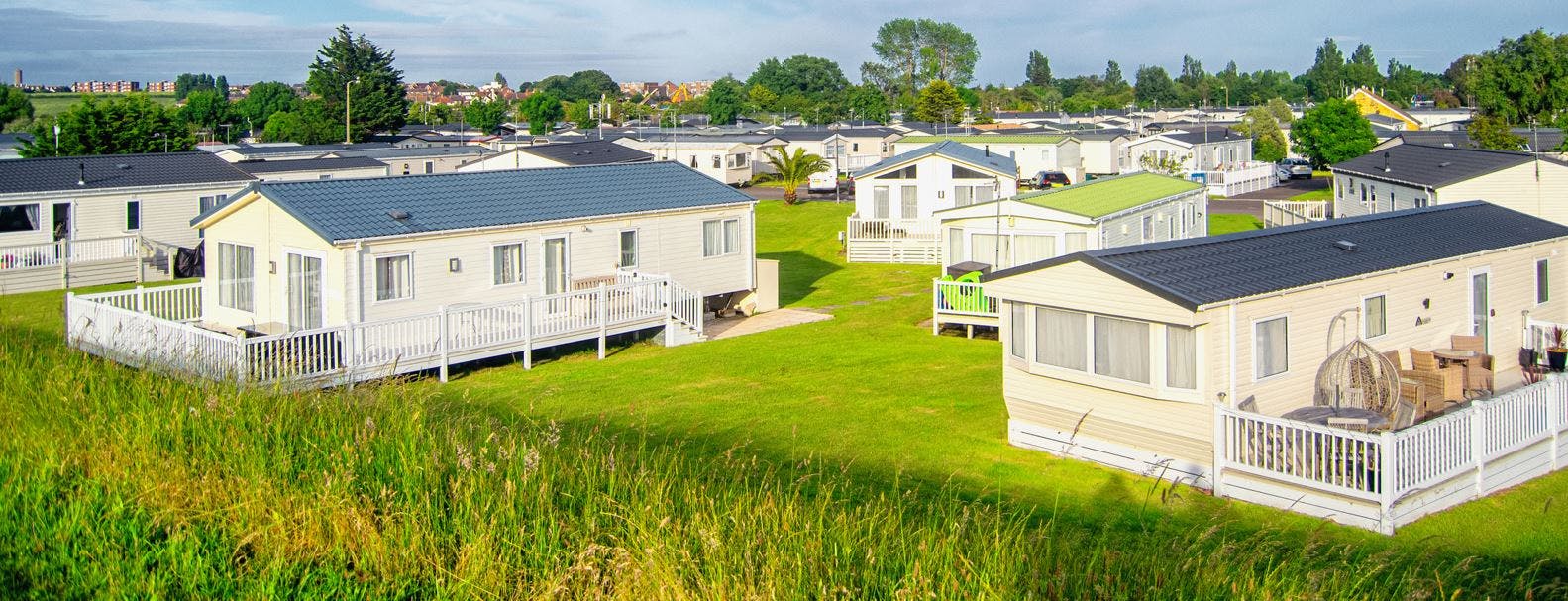
Why Invest in Mobile Home Parks?
Mobile home park investing, often overlooked in the broader real estate market, presents a compelling opportunity for savvy investors. While traditionally viewed as a less glamorous sector, mobile home parks (MHPs) offer a unique combination of stability, high cash flow potential, and a relatively low barrier to entry compared to other commercial real estate ventures. The demand for affordable housing continues to rise, making MHPs an increasingly attractive investment option.
Understanding the Mobile Home Park Business Model
The core of the mobile home park business model lies in land ownership. Investors purchase the land and infrastructure within the park, while residents typically own their individual mobile homes. They then pay lot rent to the park owner for the use of the land, utilities, and common area maintenance. This distinction between land ownership and home ownership is crucial to understanding the investment dynamics.
Key Revenue Streams
The primary source of revenue for MHP owners is lot rent. However, additional income streams can be generated through:
- Utility billing (water, sewer, trash)
- Late fees
- Storage fees
- Vending machines
- Laundry facilities
- Submetering of utilities
Benefits of Investing in Mobile Home Parks
Investing in mobile home parks offers several distinct advantages:
High Cash Flow
MHPs generally boast higher cash flow compared to other real estate investments like apartments or single-family homes. The lower operating expenses, particularly in terms of turnover costs, contribute to this higher profitability. Residents typically own their homes, reducing the landlord's burden of property maintenance and repairs.
Stable Occupancy Rates
Mobile home parks tend to have high occupancy rates due to the shortage of affordable housing options. Moving a mobile home is a significant undertaking, making residents less likely to relocate frequently. This translates to greater stability and predictable income for the park owner.
Lower Turnover Costs
As residents own their homes, the landlord is not responsible for the costs associated with tenant turnover, such as painting, cleaning, and repairs. This significantly reduces operating expenses and increases profitability.
Scalability
Once you understand the fundamentals of MHP management, scaling your portfolio becomes relatively straightforward. You can leverage your existing knowledge and systems to acquire and manage multiple parks, increasing your overall returns.
Essential Service
Mobile home parks provide an essential service by offering affordable housing to a large segment of the population. This makes them less susceptible to economic downturns compared to discretionary spending businesses.
Challenges of Investing in Mobile Home Parks
While MHPs offer significant potential, it's important to be aware of the challenges involved:
Management Intensive
Effective management is crucial for the success of an MHP investment. This includes rent collection, enforcing park rules, maintaining infrastructure, and addressing resident concerns. While professional property management is an option, it can eat into your profit margins.
Due Diligence is Critical
Thorough due diligence is essential before investing in any MHP. This includes inspecting the property, reviewing financial records, assessing the local market, and understanding zoning regulations. Neglecting due diligence can lead to costly surprises down the road.
Stigma and Perception
Mobile home parks sometimes face negative stereotypes and perceptions. This can impact property values and make it more challenging to attract financing or secure permits.
Infrastructure Costs
Maintaining the park's infrastructure, such as roads, water lines, and sewer systems, can be expensive. It's crucial to budget for these costs and conduct regular inspections to identify potential problems early on.
Financing Challenges
Securing financing for MHP investments can sometimes be more challenging than for other types of real estate. Lenders may perceive MHPs as riskier investments, requiring higher down payments and interest rates. However, specialized lenders are increasingly active in the MHP market.
Finding and Evaluating Mobile Home Park Investments
Sourcing Deals
Finding suitable MHP investment opportunities requires proactive effort. Common sources include:
- Real estate brokers specializing in commercial properties
- Online listing platforms (e.g., LoopNet, Crexi)
- Direct marketing to park owners
- Networking with other investors
- Attending industry events
Due Diligence Checklist
A comprehensive due diligence process should include the following:
- Financial Review: Analyze historical income and expenses, occupancy rates, rent rolls, and financial statements.
- Physical Inspection: Assess the condition of the park's infrastructure, including roads, utilities, and common areas.
- Market Analysis: Research the local market, including demographics, employment rates, and competition.
- Legal Review: Examine the park's title, permits, zoning regulations, and any existing legal issues.
- Environmental Assessment: Conduct an environmental assessment to identify any potential contamination or liabilities.
- Tenant Interviews: Speak with residents to gauge their satisfaction with the park and identify any potential problems.
Strategies for Increasing MHP Value
Raising Rents
Increasing lot rents is a primary way to boost the value of an MHP. However, it's important to do so strategically and ethically, considering market conditions and resident affordability. Gradual rent increases are typically more palatable than large, sudden jumps.
Improving Occupancy
Filling vacant lots is another effective way to increase revenue. This can be achieved through marketing efforts, offering incentives to new residents, or partnering with mobile home dealers.
Reducing Expenses
Identifying and reducing unnecessary expenses can significantly improve profitability. This may involve renegotiating vendor contracts, implementing energy-efficient measures, or streamlining management processes.
Upgrading Infrastructure
Investing in infrastructure improvements, such as new roads, utilities, or landscaping, can enhance the park's appeal and attract higher-quality residents.
Adding Amenities
Adding amenities, such as playgrounds, swimming pools, or community centers, can improve resident satisfaction and increase the park's competitive advantage.
Financing Mobile Home Park Investments
Conventional Loans
Conventional loans are available from banks and other financial institutions. These typically require a strong credit history and a significant down payment.
SBA Loans
Small Business Administration (SBA) loans can be used to finance MHP acquisitions. These loans offer favorable terms and lower down payments, but they come with specific eligibility requirements.
Commercial Mortgage-Backed Securities (CMBS)
CMBS loans are a type of commercial mortgage that is securitized and sold to investors. These loans can offer attractive interest rates, but they often come with complex terms and conditions.
Private Lending
Private lenders, such as individuals or investment firms, may be willing to provide financing for MHP acquisitions. These loans typically come with higher interest rates and shorter terms than conventional loans.
Seller Financing
Seller financing is a type of financing in which the seller of the property provides the loan to the buyer. This can be a good option if you're unable to obtain financing from other sources.

0 Comments