
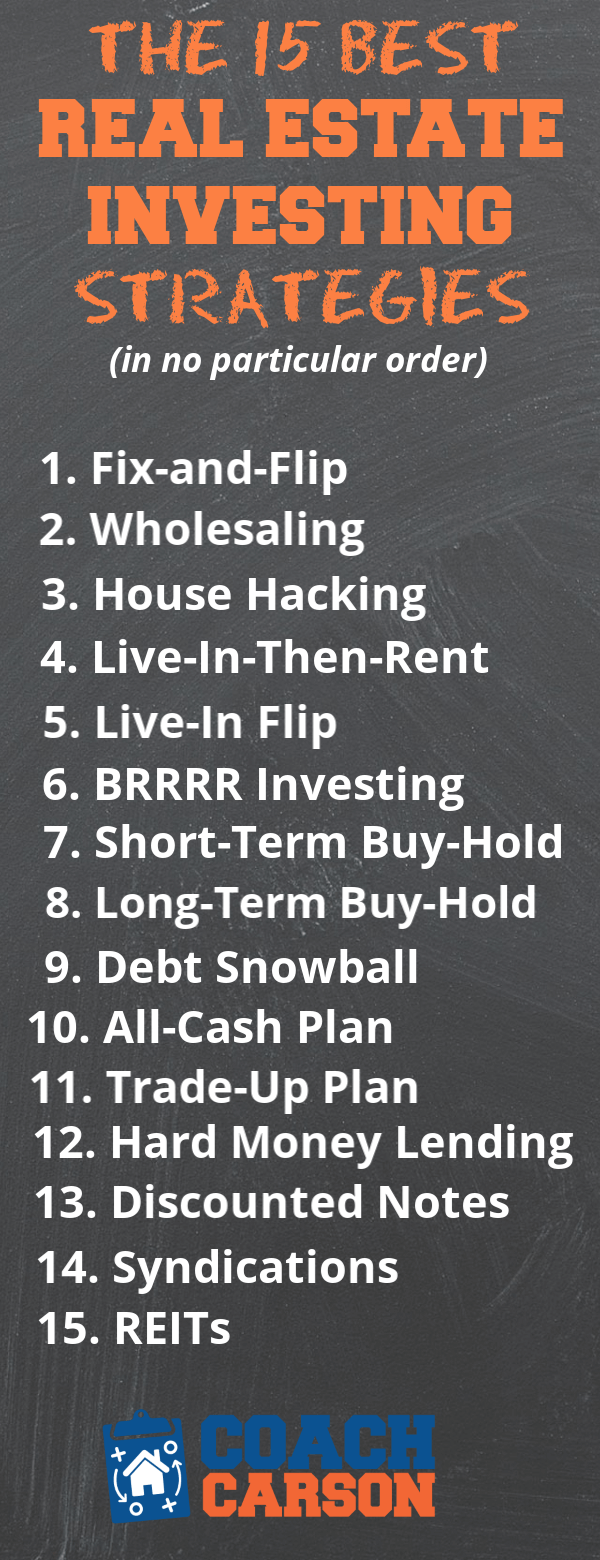
Understanding Wholesaling Real Estate
Wholesaling real estate is an investment strategy where an investor (the wholesaler) contracts with a seller to purchase a property. The wholesaler then finds an interested buyer and assigns the contract to them. The wholesaler profits from the difference between the contracted price with the seller and the assignment fee paid by the buyer. This strategy is popular because it requires little to no capital investment, making it accessible to many aspiring real estate investors. The key to successful wholesaling lies in identifying undervalued properties and quickly connecting them with motivated buyers.
Essential Investment Strategies for Wholesaling Success
Several strategies can be employed to maximize profitability and efficiency in wholesaling real estate. Here's a look at some of the most effective approaches:
1. The Direct Mail Strategy
Direct mail involves sending targeted letters or postcards to potential sellers. This strategy is particularly effective for reaching homeowners who may be facing financial difficulties, dealing with inherited properties, or simply motivated to sell quickly. Crafting compelling copy that highlights the benefits of a quick, cash offer is crucial. Tracking your results meticulously allows you to refine your mailing lists and messaging for optimal ROI. Look for properties with visible signs of neglect or distress to increase your chances of finding motivated sellers.
2. Driving for Dollars
Driving for dollars is a boots-on-the-ground approach where you physically drive around neighborhoods looking for distressed or vacant properties. Signs of distress include overgrown lawns, boarded-up windows, peeling paint, and other indicators of neglect. Once you identify a potential property, research the owner's contact information and reach out to them with a direct offer. This strategy requires time and effort but can yield high-quality leads that your competitors might miss. Document your findings with photos and detailed notes to build a comprehensive database of potential deals.
3. Networking and Building Relationships
Real estate is a relationship-driven business. Networking with other investors, real estate agents, contractors, and lenders can provide valuable leads and insights. Attend local real estate meetups, join online forums, and actively participate in the real estate community. Building strong relationships can lead to referrals, joint ventures, and access to off-market deals. A strong network can also provide valuable support and guidance as you navigate the complexities of wholesaling.
4. Leveraging Online Marketing
In today's digital age, online marketing is essential for generating leads and finding buyers. Create a website or landing page to showcase your services and attract potential sellers and buyers. Utilize social media platforms like Facebook, Instagram, and LinkedIn to connect with your target audience and promote your deals. Consider running targeted online ads to reach homeowners in specific geographic areas. Search Engine Optimization (SEO) is crucial to ensuring your website ranks highly in search engine results, making it easier for potential clients to find you. Focus on keywords like "sell my house fast," "cash home buyer," and "we buy houses" in your content and website copy.
5. Utilizing List Brokers and Data Providers
List brokers and data providers offer access to targeted lists of potential sellers based on various criteria, such as absentee owners, high-equity properties, and tax delinquencies. These lists can save you time and effort by providing a pre-qualified pool of leads. While these lists come at a cost, they can be a worthwhile investment if used strategically. Segment your lists based on specific criteria and tailor your marketing messages accordingly to maximize your response rates.
6. Mastering the Art of Negotiation
Successful wholesaling hinges on your ability to negotiate effectively with both sellers and buyers. With sellers, aim to secure the property at the lowest possible price while still addressing their needs and concerns. With buyers, focus on highlighting the property's potential and justifying your assignment fee. Practice your negotiation skills and be prepared to walk away from deals that don't meet your profit goals. Understanding the seller's motivation is key to crafting a win-win agreement.
7. Focusing on Specific Niches
Consider specializing in a particular niche within the real estate market. This could include focusing on foreclosures, probate properties, or fixer-uppers. By specializing, you can develop expertise in a specific area and become known as a go-to wholesaler for that type of property. This can also help you attract more targeted leads and build stronger relationships with buyers who are specifically interested in that niche.
8. Building a Buyer's List
A strong buyer's list is crucial for quickly assigning your contracts and generating profits. Cultivate relationships with cash buyers, rehabbers, and other investors who are actively looking for properties. Keep your buyer's list updated with their specific criteria and investment preferences. When you find a property that meets their needs, you can quickly contact them and secure an assignment fee. A well-maintained buyer's list is one of the most valuable assets a wholesaler can possess.
9. Cold Calling and Text Messaging
While often perceived as intrusive, cold calling and text messaging can be effective strategies for reaching potential sellers directly. Develop a script that is concise, professional, and focused on addressing the seller's needs. Be prepared to handle objections and answer questions about the wholesaling process. Compliance with relevant regulations, such as the Telephone Consumer Protection Act (TCPA), is essential. Consider using a phone system with features like call recording and call tracking to monitor your performance and improve your results.
10. Partnering with Real Estate Agents
While it might seem counterintuitive, partnering with real estate agents can be a valuable source of leads. Many agents have access to off-market properties or know about homeowners who are motivated to sell quickly. Offer to pay a referral fee to agents who bring you deals that you can wholesale. Building strong relationships with agents can expand your reach and provide access to a wider range of opportunities.

0 Comments