
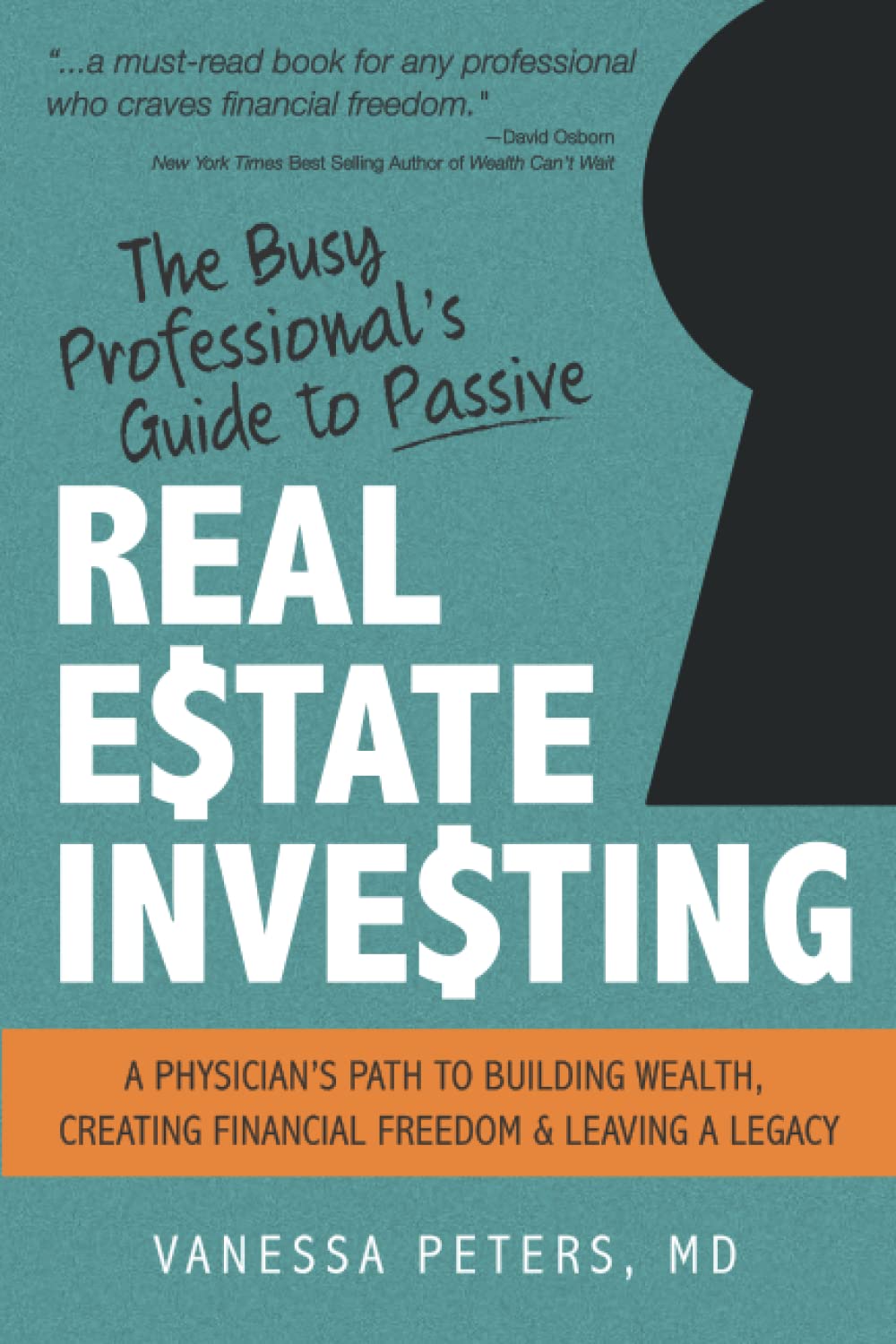
Building a Lasting Financial Legacy: Investment Strategies for Future Generations
Leaving a financial legacy is about more than just accumulating wealth; it's about ensuring your values and financial security extend beyond your lifetime, benefiting future generations. This requires a thoughtful and strategic approach to investing, focusing on long-term growth, preservation of capital, and efficient wealth transfer. Let's explore some key investment strategies to help you build a lasting financial legacy.
Understanding Your Legacy Goals
Before diving into specific investment strategies, it's crucial to define what you want your financial legacy to achieve. Consider the following questions:
- Who do you want to benefit from your legacy? (e.g., children, grandchildren, charities)
- What specific goals do you want your legacy to support? (e.g., education, healthcare, entrepreneurship)
- What values do you want to pass on alongside your wealth? (e.g., financial responsibility, philanthropy)
Answering these questions will help you tailor your investment strategy to align with your specific legacy goals.
Long-Term Investment Strategies
Diversified Portfolio Allocation
A cornerstone of any successful long-term investment strategy is diversification. Spreading your investments across various asset classes, such as stocks, bonds, real estate, and commodities, can help mitigate risk and enhance potential returns. The specific allocation will depend on your risk tolerance, time horizon, and legacy goals. For example, a younger individual with a longer time horizon might allocate a larger portion of their portfolio to stocks, while someone closer to retirement might favor a more conservative allocation with a higher percentage of bonds.
Investing in Growth Stocks
Growth stocks are shares of companies that are expected to grow their earnings at a faster rate than the average company. While they can be more volatile than value stocks, they offer the potential for significant capital appreciation over the long term. Consider investing in companies with strong competitive advantages, innovative products or services, and a proven track record of growth. Researching sectors with high growth potential, such as technology, healthcare, and renewable energy, can be beneficial.
Real Estate Investments
Real estate can be a valuable component of a financial legacy, providing both income and appreciation potential. Consider investing in rental properties, commercial real estate, or REITs (Real Estate Investment Trusts). Rental properties can generate a steady stream of income, while commercial real estate can offer higher returns but also comes with greater risk. REITs provide a liquid and diversified way to invest in real estate without directly owning property.
Dividend-Paying Stocks
Dividend-paying stocks are shares of companies that regularly distribute a portion of their profits to shareholders. These stocks can provide a steady stream of income, which can be reinvested to further grow your portfolio or used to fund specific legacy goals. Look for companies with a history of consistently paying and increasing dividends, as this indicates financial stability and a commitment to shareholder value.
Investing in Businesses
For entrepreneurs, investing in their own business or other promising startups can be a powerful way to build a financial legacy. This can involve reinvesting profits back into the business to fuel growth, acquiring other companies, or mentoring and supporting the next generation of business leaders. However, this strategy also carries significant risk, so it's crucial to conduct thorough due diligence and have a solid business plan.
Wealth Preservation Strategies
Tax-Efficient Investing
Minimizing taxes is essential for preserving wealth and maximizing the amount available to pass on to future generations. Consider utilizing tax-advantaged accounts, such as 401(k)s, IRAs, and 529 plans, to shield your investments from taxes. Also, be mindful of capital gains taxes when selling investments and consider strategies such as tax-loss harvesting to offset gains with losses.
Estate Planning
A comprehensive estate plan is crucial for ensuring that your assets are distributed according to your wishes and that your legacy is protected. This includes creating a will, establishing trusts, and designating beneficiaries for your accounts. A will outlines how your assets will be distributed after your death, while trusts can provide more control over how and when your assets are distributed. Working with an estate planning attorney can help you create a plan that meets your specific needs and goals.
Life Insurance
Life insurance can provide a financial safety net for your loved ones in the event of your death. It can be used to cover expenses such as funeral costs, debts, and living expenses, as well as to provide a source of income for your beneficiaries. Consider purchasing a life insurance policy that is sufficient to meet your family's needs and to help them maintain their standard of living.
Long-Term Care Insurance
Long-term care expenses can be a significant drain on your assets, potentially jeopardizing your financial legacy. Long-term care insurance can help cover the costs of assisted living, nursing home care, and home healthcare, protecting your assets and ensuring that your loved ones are not burdened with these expenses. Consider purchasing a long-term care insurance policy while you are still relatively young and healthy, as premiums tend to increase with age.
Wealth Transfer Strategies
Gifting Strategies
Gifting assets to your loved ones during your lifetime can be a tax-efficient way to reduce your estate and pass on wealth to future generations. The IRS allows you to gift up to a certain amount each year without incurring gift taxes. You can also make gifts for specific purposes, such as education or healthcare, without incurring gift taxes. Consult with a tax advisor to determine the most tax-efficient gifting strategies for your situation.
Trusts
Trusts are legal arrangements that allow you to transfer assets to a trustee, who manages the assets for the benefit of your beneficiaries. There are various types of trusts, each with its own advantages and disadvantages. Some common types of trusts include revocable trusts, irrevocable trusts, and charitable trusts. Trusts can provide greater control over how your assets are distributed and can also help minimize estate taxes.
Family Limited Partnerships (FLPs)
Family Limited Partnerships (FLPs) are legal entities that allow you to transfer assets, such as real estate or business interests, to your family members while retaining control over the assets. FLPs can also provide significant estate tax benefits, as they allow you to discount the value of the assets for gift and estate tax purposes. However, FLPs are complex legal structures and should only be established with the advice of an experienced attorney and tax advisor.
Charitable Giving
Incorporating charitable giving into your financial legacy can be a meaningful way to support causes that you care about and to leave a positive impact on the world. You can donate cash, stock, real estate, or other assets to charities. Charitable donations are generally tax-deductible, which can help reduce your taxable income and estate taxes. Consider establishing a charitable foundation or donor-advised fund to manage your charitable giving.
Regular Review and Adjustments
Building a financial legacy is an ongoing process that requires regular review and adjustments. Market conditions, tax laws, and your personal circumstances can all change over time, so it's important to periodically reassess your investment strategy and estate plan. Consult with a financial advisor and estate planning attorney to ensure that your legacy plan remains aligned with your goals and that you are taking advantage of all available opportunities to preserve and transfer your wealth.

0 Comments