
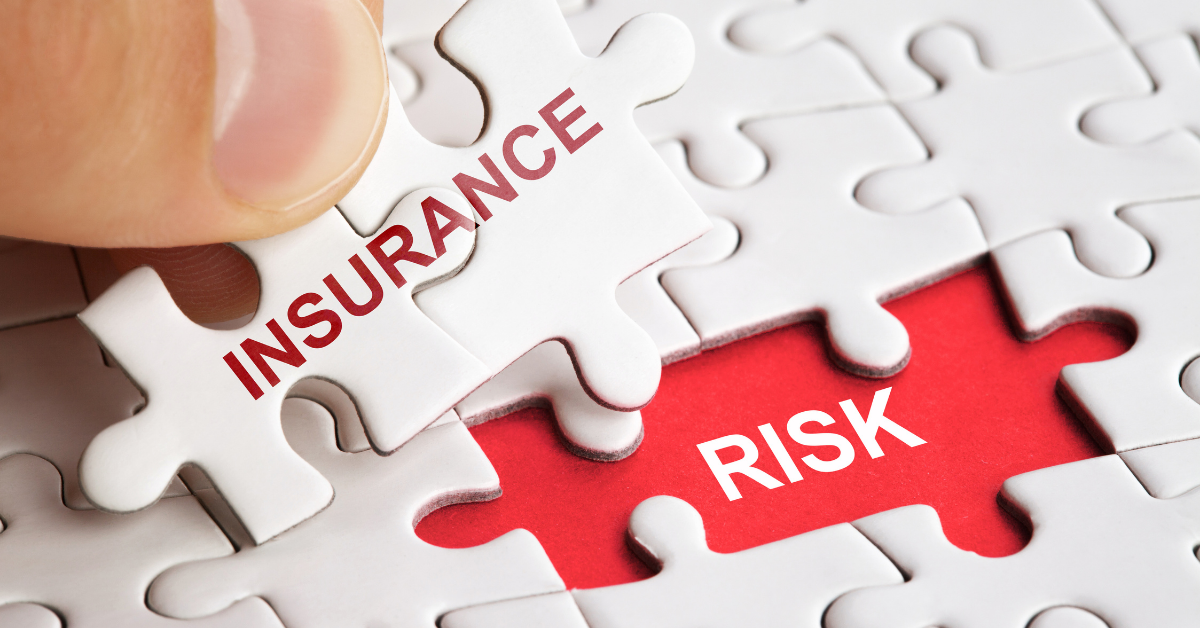
Understanding Insurance Risk Management
Insurance risk management is a critical process for insurance companies, ensuring their long-term solvency and profitability. It involves identifying, assessing, and mitigating various risks that can impact an insurer's financial stability and operational efficiency. A robust insurance risk management framework is essential for navigating the complex and ever-changing landscape of the insurance industry.
The Importance of a Strategic Risk Management Plan
A strategic risk management plan provides a structured approach to managing risks across the entire insurance organization. It aligns risk management activities with the company's overall strategic objectives, ensuring that risk-taking is deliberate and consistent with its risk appetite. Without a well-defined plan, insurance companies are vulnerable to unforeseen events and potential financial losses. A strategic risk management plan helps insurers:
- Identify potential threats to their business.
- Assess the likelihood and impact of these threats.
- Develop strategies to mitigate or transfer these risks.
- Monitor the effectiveness of risk management controls.
- Improve decision-making by providing a clear understanding of risks and opportunities.
Key Components of a Strategic Risk Management Plan
A comprehensive strategic risk management plan for insurance companies typically includes the following key components:
1. Risk Identification
The first step is to identify all potential risks that could affect the insurer's business. This includes both internal and external risks. Internal risks may include operational inefficiencies, inadequate underwriting practices, or weak internal controls. External risks may include changes in regulations, economic downturns, natural disasters, and emerging technologies. Common categories of risks in the insurance industry include:
- Underwriting Risk: The risk of losses arising from inadequate pricing, inaccurate risk assessment, or changes in claims patterns.
- Credit Risk: The risk of losses arising from the failure of counterparties to meet their financial obligations.
- Market Risk: The risk of losses arising from changes in market conditions, such as interest rates, equity prices, and foreign exchange rates.
- Operational Risk: The risk of losses arising from inadequate or failed internal processes, people, and systems, or from external events.
- Liquidity Risk: The risk of not being able to meet financial obligations when they fall due.
- Reputational Risk: The risk of damage to the insurer's reputation, which can negatively impact its business.
- Strategic Risk: The risk of making poor strategic decisions that can jeopardize the company's long-term success.
- Compliance Risk: The risk of failing to comply with applicable laws and regulations.
2. Risk Assessment
Once risks have been identified, the next step is to assess their likelihood and impact. This involves determining the probability of each risk occurring and the potential financial or operational consequences if it does occur. Risk assessment can be qualitative or quantitative. Qualitative assessment involves using expert judgment to assess the likelihood and impact of risks, while quantitative assessment involves using statistical models and historical data to estimate the potential financial losses associated with each risk. A common approach is to use a risk matrix that plots the likelihood of a risk against its impact, allowing for prioritization of risk management efforts.
3. Risk Mitigation
After assessing the risks, the next step is to develop strategies to mitigate or transfer them. Risk mitigation involves taking actions to reduce the likelihood or impact of a risk. This can include implementing new controls, improving existing processes, or purchasing insurance. Risk transfer involves shifting the risk to another party, such as through reinsurance or hedging. Common risk mitigation strategies include:
- Risk Avoidance: Deciding not to engage in activities that carry a high level of risk.
- Risk Reduction: Implementing controls to reduce the likelihood or impact of a risk.
- Risk Sharing: Transferring a portion of the risk to another party, such as through reinsurance.
- Risk Acceptance: Accepting the risk and developing a contingency plan to deal with it if it occurs.
4. Risk Monitoring and Reporting
Risk management is an ongoing process that requires continuous monitoring and reporting. This involves tracking key risk indicators, monitoring the effectiveness of risk management controls, and reporting on risk exposures to senior management and the board of directors. Regular reporting allows for timely identification of emerging risks and adjustments to the risk management plan as needed. Key performance indicators (KPIs) related to risk management should be tracked and reported to ensure that risk management activities are aligned with the company's strategic objectives. For example, KPIs might include the number of underwriting errors, the percentage of claims that are successfully defended, or the level of compliance with regulatory requirements.
5. Governance and Oversight
Effective risk management requires strong governance and oversight. This includes establishing clear roles and responsibilities for risk management, creating a risk management committee, and ensuring that the board of directors is actively involved in overseeing the risk management process. A strong risk culture is essential for fostering a risk-aware environment where employees understand their roles in managing risks and are encouraged to report potential issues. The risk management function should be independent of the business units it oversees to ensure objectivity and avoid conflicts of interest.
Integrating Strategic Risk Management into Insurance Operations
Integrating strategic risk management into insurance operations requires a collaborative effort across all departments. This includes underwriting, claims, actuarial, finance, and IT. Each department should be responsible for identifying and managing the risks within its area of responsibility. Regular communication and coordination between departments are essential for ensuring that risks are managed effectively across the organization. For example:
- The underwriting department should focus on identifying and mitigating underwriting risks, such as inadequate pricing and inaccurate risk assessment.
- The claims department should focus on managing claims risks, such as fraudulent claims and excessive claims costs.
- The actuarial department should focus on assessing and managing actuarial risks, such as inaccurate reserving and inadequate pricing.
- The finance department should focus on managing financial risks, such as credit risk, market risk, and liquidity risk.
- The IT department should focus on managing technology risks, such as cyber security threats and system failures.
Utilizing Technology in Insurance Risk Management
Technology plays an increasingly important role in insurance risk management. Advanced analytics, artificial intelligence (AI), and machine learning (ML) can be used to improve risk assessment, detect fraud, and optimize pricing. Data analytics can be used to identify patterns and trends in claims data, which can help insurers to better understand and manage their risks. AI and ML can be used to automate risk assessment processes, improve the accuracy of risk models, and detect fraudulent claims. Real-time monitoring systems can be used to track key risk indicators and provide early warnings of potential problems. Cloud-based solutions can provide insurers with access to scalable and cost-effective risk management tools. However, it's important to note that technology is just a tool, and it's only as effective as the people who use it. Insurers need to invest in training and development to ensure that their employees have the skills and knowledge to use these technologies effectively.
The Future of Insurance Risk Management
The future of insurance risk management is likely to be characterized by increased automation, greater use of data analytics, and a focus on emerging risks. Insurers will need to adapt to new technologies and changing market conditions to remain competitive. Emerging risks, such as climate change, cyber security threats, and pandemics, will require insurers to develop new risk management strategies. Collaboration and data sharing will become increasingly important for managing these complex and interconnected risks. Insurers that embrace innovation and invest in risk management will be best positioned to succeed in the future.

0 Comments