
The Growing Burden of Student Loan Debt
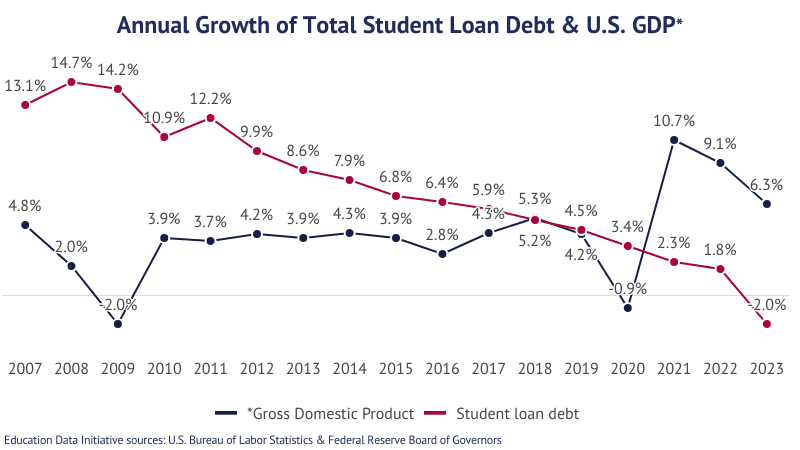
Student loan debt in the United States has reached staggering levels, impacting millions of individuals and potentially hindering overall economic growth. Understanding the complexities of this issue is crucial for policymakers, educators, and borrowers alike. The sheer magnitude of outstanding student loan debt warrants a closer examination of its multifaceted effects on the economy.
How Student Loan Debt Affects Economic Growth
The impact of student loan debt on economic growth is a complex and debated topic. While education is generally considered a driver of economic progress, the debt incurred to finance it can have several negative consequences. Here's a breakdown of the key ways student loan debt can hinder economic growth:
Reduced Consumer Spending
One of the most significant ways student loan debt impacts the economy is by curtailing consumer spending. Graduates burdened with substantial loan payments have less disposable income to spend on goods and services. This reduction in consumer spending can ripple through various sectors, including retail, entertainment, and housing. When a large segment of the population is forced to prioritize debt repayment over discretionary spending, overall economic activity slows down.
For example, a young professional earning a modest salary might delay purchasing a new car, postpone travel plans, or even struggle to afford basic necessities due to the pressure of student loan payments. This reduced demand can lead to lower sales for businesses and slower economic growth overall. The effect is amplified as more and more graduates enter the workforce with significant debt obligations.
Delayed Homeownership
Homeownership is a major driver of economic growth, contributing to wealth creation, local investment, and overall financial stability. However, student loan debt can significantly delay or even prevent young adults from becoming homeowners. The burden of loan payments makes it difficult to save for a down payment and qualify for a mortgage. Lenders often view high debt-to-income ratios negatively, making it challenging for borrowers with student loan debt to secure a home loan.
The decline in homeownership rates among younger generations can have long-term consequences for the housing market and the broader economy. It can also exacerbate wealth inequality, as homeownership has historically been a primary means of building wealth for many families.
Impact on Entrepreneurship
Entrepreneurship is vital for innovation, job creation, and economic dynamism. However, student loan debt can discourage young people from starting their own businesses. The fear of taking on additional financial risk, coupled with the pressure of repaying existing loans, can deter aspiring entrepreneurs from pursuing their dreams. Starting a business often requires significant upfront investment, and the availability of capital is crucial for success. Individuals burdened with student loan debt may be less likely to secure funding or take the necessary risks to launch a new venture.
This chilling effect on entrepreneurship can stifle innovation and limit the potential for new businesses to contribute to economic growth. A vibrant entrepreneurial ecosystem is essential for creating jobs, developing new technologies, and fostering a competitive economy.
Career Choices and Underemployment
Student loan debt can influence career choices, often pushing graduates towards higher-paying jobs, even if those jobs are not aligned with their passions or skills. This can lead to underemployment, where individuals are working in jobs that don't fully utilize their education or abilities. While a higher salary might help with debt repayment, it can also result in lower job satisfaction and reduced productivity. The economy suffers when talented individuals are not working in roles that maximize their potential.
Furthermore, the pressure to repay loans can discourage graduates from pursuing careers in public service, non-profit organizations, or other fields that offer lower salaries but contribute significantly to society. This can create a shortage of skilled workers in essential sectors and hinder social progress.
Reduced Savings and Investment
Student loan debt can significantly reduce the ability of individuals to save for retirement or invest in other assets. Saving and investing are crucial for long-term financial security and contribute to overall economic growth by providing capital for businesses and infrastructure projects. When a large portion of income is allocated to debt repayment, there is less money available for savings and investments, which can have a negative impact on the economy over time.
This lack of savings can also make individuals more vulnerable to financial shocks, such as job loss or unexpected medical expenses. A strong savings rate is essential for building a resilient economy that can withstand economic downturns.
The Broader Economic Implications
Beyond the individual level, the aggregate effect of student loan debt can have significant macroeconomic consequences. The sheer volume of outstanding debt can create systemic risks and potentially contribute to economic instability. While student loan debt is not directly comparable to the housing crisis of 2008, its growing prevalence and potential for default warrant careful monitoring.
Furthermore, the burden of student loan debt can exacerbate existing inequalities in society. Students from low-income backgrounds are often forced to borrow more to finance their education, and they may face greater challenges in repaying their loans after graduation. This can perpetuate cycles of poverty and limit economic mobility.
Addressing the Student Loan Debt Crisis
Addressing the student loan debt crisis requires a multifaceted approach involving policymakers, educational institutions, and borrowers. Some potential solutions include:
Increased Funding for Higher Education
Investing in public universities and community colleges can help reduce tuition costs and make higher education more accessible to students from all backgrounds. This can lessen the need for students to borrow large amounts of money to finance their education.
Loan Forgiveness Programs
Expanding and improving loan forgiveness programs, such as Public Service Loan Forgiveness (PSLF), can provide relief to borrowers working in essential fields and encourage them to pursue careers that benefit society. Streamlining the application process and addressing the shortcomings of existing programs is crucial for ensuring their effectiveness.
Income-Driven Repayment Plans
Income-driven repayment (IDR) plans can help borrowers manage their loan payments by tying them to their income and family size. This can prevent borrowers from defaulting on their loans and provide them with more financial flexibility.
Financial Literacy Education
Providing students with financial literacy education can help them make informed decisions about borrowing and managing their debt. Understanding the terms of their loans and developing sound financial habits can reduce the risk of default and improve their long-term financial well-being.
Reforming the Student Loan System
Comprehensive reform of the student loan system is needed to address the root causes of the debt crisis. This could include measures such as capping interest rates, simplifying the repayment process, and holding institutions accountable for student outcomes.

0 Comments