
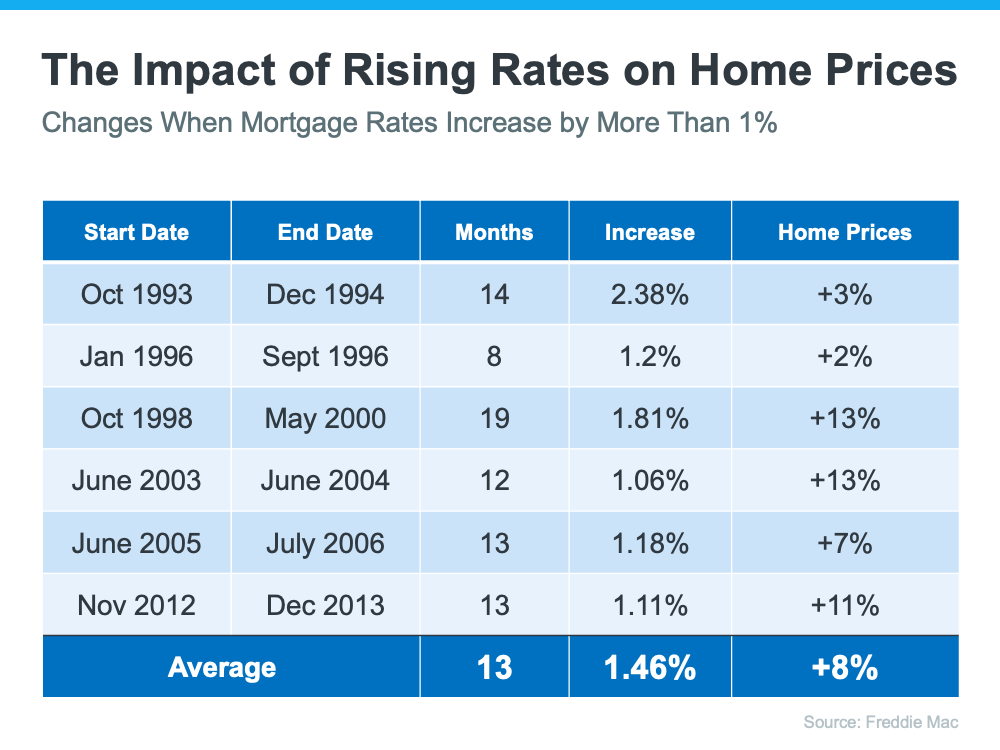
Understanding the Relationship Between Interest Rates and the Housing Market
The housing market is a complex ecosystem influenced by various economic factors, and interest rates play a pivotal role. Rising interest rates, specifically, can have a significant impact on affordability, demand, and overall market dynamics. Understanding this relationship is crucial for both prospective homebuyers and current homeowners.
How Rising Interest Rates Affect Home Affordability
One of the most direct impacts of rising interest rates is on home affordability. When interest rates increase, the cost of borrowing money also goes up. This directly translates to higher mortgage payments for homebuyers. Even a small increase in interest rates can significantly impact the total amount paid over the life of a mortgage loan.
The Math Behind Mortgage Payments and Interest Rates
Consider this example: a $300,000 mortgage at a 3% interest rate has a significantly lower monthly payment than the same mortgage at a 6% interest rate. This difference in monthly payments can price many potential buyers out of the market, reducing demand.
Furthermore, rising rates can also affect how much a potential buyer can qualify for. Lenders consider debt-to-income ratios when approving mortgage applications. Higher mortgage payments due to increased interest rates can push borrowers beyond their affordability limits, preventing them from obtaining the necessary financing.
Impact on Housing Demand
As affordability decreases, so does demand. Rising interest rates tend to cool down the housing market by discouraging potential buyers. Fewer people are willing or able to purchase homes when borrowing costs are high. This reduced demand can lead to several consequences.
Slower Home Sales
With fewer buyers in the market, homes tend to stay on the market longer. The number of days a property is listed before being sold increases, reflecting a slowdown in sales activity. This can create a more balanced market, shifting power from sellers to buyers.
Price Adjustments
Reduced demand often leads to price adjustments. Sellers may be forced to lower their asking prices to attract potential buyers. In some cases, this can lead to a decline in home values, particularly in markets that were previously experiencing rapid price appreciation. However, the extent of price declines varies depending on factors such as local market conditions and housing supply.
Impact on Housing Supply
While rising interest rates primarily affect demand, they can also indirectly influence housing supply. Here’s how:
Reduced New Construction
Higher interest rates can make it more expensive for developers to finance new construction projects. This can lead to a decrease in the number of new homes being built, potentially exacerbating existing housing shortages in some areas. Developers might postpone or cancel projects if they anticipate lower demand and reduced profitability due to rising interest rates.
Existing Homeowners' Decisions
Some existing homeowners may be hesitant to sell their homes when interest rates are rising, especially if they have locked in a low mortgage rate. They might choose to stay in their current homes rather than face the prospect of obtaining a new mortgage at a higher rate. This can further limit the supply of homes available for sale, potentially mitigating the effects of reduced demand on prices.
Regional Variations in Impact
The impact of rising interest rates on the housing market can vary significantly across different regions. Factors such as local economic conditions, population growth, and housing supply levels can influence how severely a particular market is affected.
High-Cost Markets
Markets with already high housing costs, such as major metropolitan areas, tend to be more sensitive to changes in interest rates. Even a small increase in mortgage rates can significantly impact affordability in these areas, potentially leading to a more pronounced slowdown in sales and price declines.
Markets with Strong Population Growth
Markets experiencing strong population growth may be more resilient to the effects of rising interest rates. Increased demand driven by population growth can help offset the impact of higher borrowing costs, potentially preventing significant price declines.
Markets with Limited Housing Supply
Markets with limited housing supply may also be less affected by rising interest rates. A shortage of available homes can help support prices, even in the face of reduced demand. In these areas, prices may not decline as sharply as in markets with a more balanced supply and demand dynamic.
Long-Term Implications
The long-term implications of rising interest rates on the housing market are complex and depend on various factors, including the overall economic outlook and the Federal Reserve's monetary policy decisions.
Market Correction vs. Housing Crash
It's important to distinguish between a market correction and a housing crash. A market correction typically involves a moderate decline in home values after a period of rapid appreciation. This is a normal part of the economic cycle and doesn't necessarily indicate a long-term problem. A housing crash, on the other hand, involves a more severe and prolonged decline in home values, often triggered by a combination of factors, such as excessive speculation and lax lending standards.
Opportunities for Buyers
Rising interest rates can create opportunities for some buyers. As demand cools and prices stabilize or decline, buyers may have more negotiating power and a wider selection of homes to choose from. They may also be able to find better deals on properties that have been on the market for a longer period.
The Role of the Federal Reserve
The Federal Reserve plays a crucial role in managing interest rates and influencing the housing market. The Fed's decisions regarding monetary policy can have a significant impact on mortgage rates and overall economic conditions. By raising or lowering interest rates, the Fed aims to maintain price stability and promote full employment.
Strategies for Navigating a Rising Interest Rate Environment
Whether you are a prospective homebuyer or a current homeowner, there are strategies you can employ to navigate a rising interest rate environment.
For Homebuyers
Consider these strategies if you're looking to buy a home:
- Shop around for the best mortgage rates: Different lenders offer different rates, so it's essential to compare options and find the most favorable terms.
- Consider an adjustable-rate mortgage (ARM): While ARMs come with some risk, they may offer a lower initial interest rate than fixed-rate mortgages.
- Increase your down payment: A larger down payment can reduce the amount you need to borrow, lowering your monthly payments.
- Improve your credit score: A higher credit score can qualify you for a lower interest rate.
For Homeowners
Consider these strategies if you already own a home:
- Refinance your mortgage: If interest rates drop, consider refinancing your mortgage to a lower rate.
- Accelerate your mortgage payments: Paying extra on your mortgage can help you pay it off faster and save on interest costs.
- Consider renting out your property: If you are thinking of moving, renting out your current home can provide a source of income and help you cover your mortgage payments.

0 Comments