
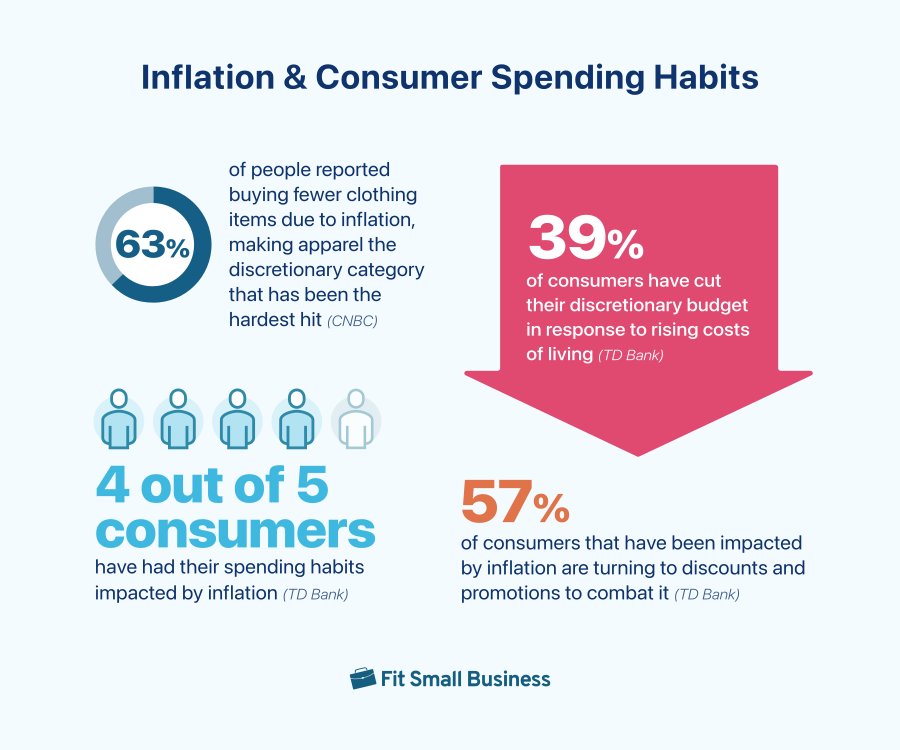
Understanding the Inflationary Landscape in 2024
Inflation, the rate at which the general level of prices for goods and services is rising, has significantly impacted consumer spending habits in 2024. Understanding the drivers and effects of inflation is crucial for businesses and individuals alike to navigate the current economic environment. Several factors contribute to inflationary pressures, including supply chain disruptions, increased energy costs, and rising demand. These factors collectively erode purchasing power, forcing consumers to make difficult choices about how they allocate their resources.
The Shift in Consumer Priorities
As inflation rises, consumers are forced to re-evaluate their spending priorities. Discretionary spending, which includes non-essential items like entertainment, dining out, and vacations, often takes the biggest hit. Consumers become more price-sensitive and seek out ways to save money on essential goods and services. This shift in priorities has far-reaching consequences for various sectors of the economy.
Cutting Back on Non-Essentials
One of the most immediate effects of inflation is a reduction in spending on non-essential items. Consumers are more likely to choose less expensive alternatives or simply forgo purchases altogether. This trend impacts businesses that rely on discretionary spending, such as restaurants, movie theaters, and retailers selling non-essential goods. Marketing strategies need to adapt to this new reality, focusing on value and affordability.
Focusing on Value and Necessity
With rising prices, consumers are increasingly focused on getting the best value for their money. They are more likely to shop around for deals, compare prices, and switch to cheaper brands. This focus on value also extends to essential goods and services, such as groceries and utilities. Consumers may reduce their consumption of these items or seek out ways to conserve resources, such as using less energy or water.
Changes in Grocery Shopping Behavior
Grocery shopping is a necessity, but even here, inflation is driving significant changes in consumer behavior. Consumers are becoming more strategic in their grocery shopping habits, seeking out ways to minimize their spending without sacrificing their nutritional needs.
Trading Down to Store Brands
One common strategy is to trade down from name-brand products to store brands or generic alternatives. Store brands typically offer comparable quality at a lower price, making them an attractive option for budget-conscious consumers. This shift in consumer preference puts pressure on name-brand manufacturers to justify their higher prices and offer competitive deals.
Bulk Buying and Stockpiling
Some consumers are turning to bulk buying and stockpiling as a way to save money in the long run. By purchasing large quantities of non-perishable items when they are on sale, consumers can reduce their overall grocery bill. However, this strategy requires careful planning and storage to avoid waste. Also, it can exacerbate supply chain issues in times of high demand.
Increased Use of Coupons and Loyalty Programs
The use of coupons and loyalty programs is also on the rise as consumers seek out additional savings. Many grocery stores offer digital coupons and loyalty programs that provide discounts and rewards to regular customers. These programs can be an effective way for consumers to save money on their grocery purchases, and for retailers to retain customer loyalty.
The Impact on Travel and Leisure
The travel and leisure industries are particularly vulnerable to the effects of inflation. As disposable income shrinks, consumers are more likely to cut back on vacations, entertainment, and other discretionary activities.
Staycations and Local Tourism
Instead of traveling to far-off destinations, many consumers are opting for staycations or local tourism. Staycations involve exploring attractions and activities within their own city or region, reducing travel costs and accommodation expenses. Local tourism supports local businesses and provides a more affordable alternative to traditional vacations.
Postponing or Canceling Travel Plans
For some consumers, the rising cost of travel may force them to postpone or cancel their travel plans altogether. This can have a significant impact on the travel industry, particularly airlines, hotels, and tour operators. Businesses in this sector need to adapt to the changing demand by offering flexible booking options and competitive pricing.
The Rise of Value-Oriented Retailers
In an inflationary environment, value-oriented retailers like discount stores and thrift shops tend to thrive. Consumers are increasingly drawn to these retailers in search of lower prices and greater affordability.
Increased Foot Traffic at Discount Stores
Discount stores are experiencing increased foot traffic as consumers seek out bargains on a wide range of products. These stores often offer a variety of private-label brands and closeout items at significantly lower prices than traditional retailers. Their ability to offer competitive prices makes them an attractive option for budget-conscious shoppers.
The Growing Popularity of Thrift Shops
Thrift shops and consignment stores are also gaining popularity as consumers look for ways to save money on clothing, furniture, and other household items. These stores offer a sustainable and affordable alternative to buying new products, appealing to both budget-conscious shoppers and environmentally conscious consumers.
Long-Term Implications for Consumer Spending
The changes in consumer spending habits driven by inflation are likely to have long-term implications for the economy. Businesses need to understand these trends and adapt their strategies accordingly to remain competitive in the evolving marketplace.
The Need for Adaptability
Businesses that can adapt to the changing needs and preferences of consumers will be best positioned to succeed in an inflationary environment. This includes offering value-driven products and services, providing excellent customer service, and embracing innovative marketing strategies. Companies that fail to adapt may struggle to maintain their market share.
The Importance of Financial Literacy
Increased financial literacy is crucial for consumers to navigate the challenges of inflation. Understanding budgeting, saving, and investing can help consumers make informed decisions about their finances and protect their purchasing power. Governments, schools, and community organizations can play a role in promoting financial literacy and empowering consumers to manage their money effectively.
The Role of Government Policy
Government policies can also play a significant role in mitigating the impact of inflation on consumer spending. Measures such as tax cuts, stimulus checks, and price controls can provide temporary relief to consumers. However, it is important to consider the long-term effects of these policies on the economy as a whole. Sustainable solutions to inflation require a comprehensive approach that addresses the underlying causes of rising prices.

0 Comments