
The Financial Industry: A Prime Target for Cybercrime
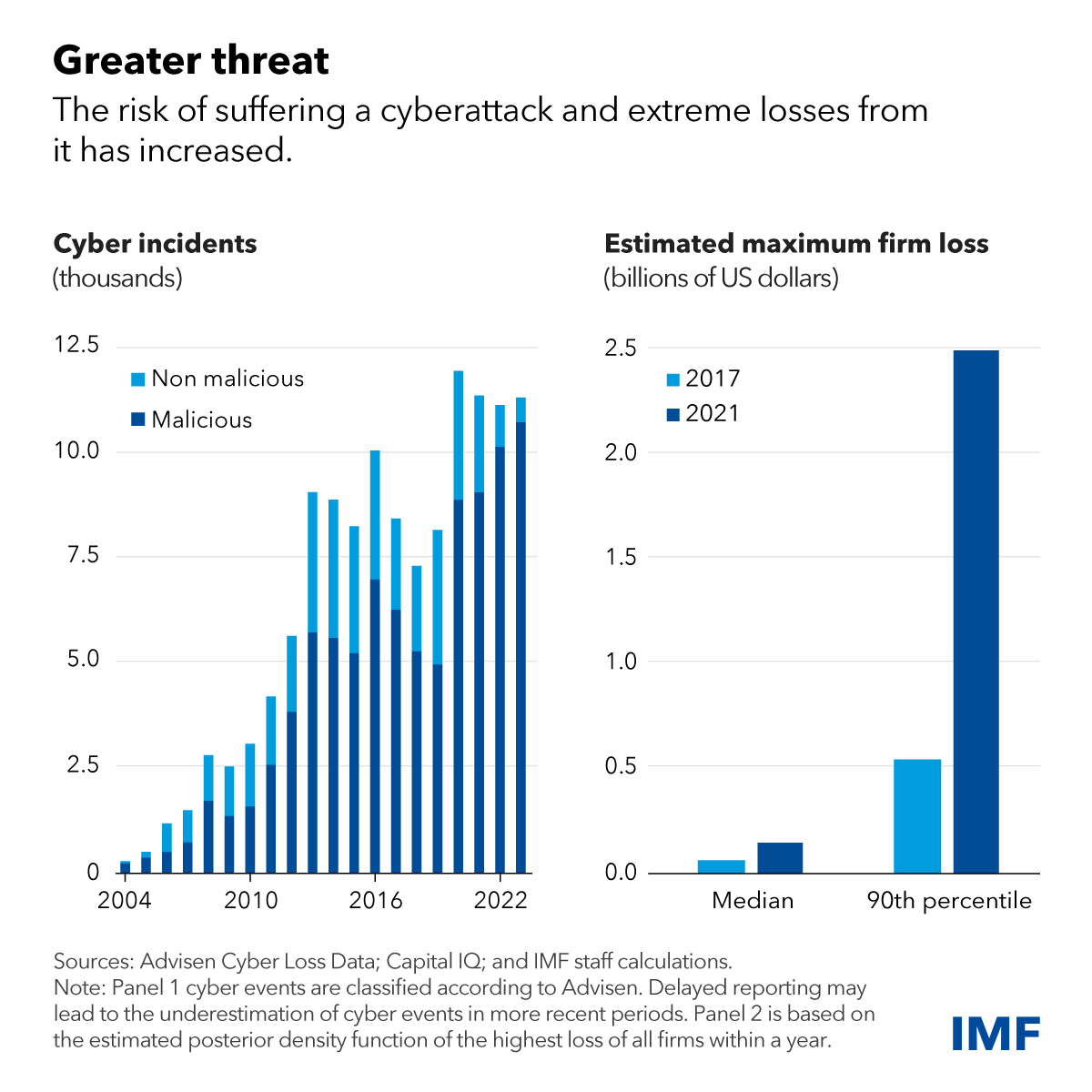
The financial industry, encompassing banks, investment firms, insurance companies, and other financial institutions, is a highly attractive target for cybercriminals. This is due to the vast amounts of sensitive data they hold, including customer financial information, transaction records, and proprietary algorithms. The potential financial gain from a successful cyberattack is immense, making the financial sector a constant battleground in the digital age.
Types of Cybersecurity Threats Facing the Financial Sector
The financial industry faces a diverse range of cybersecurity threats, each with its own unique characteristics and potential impact. Understanding these threats is crucial for developing effective security measures.
Malware Attacks
Malware, short for malicious software, encompasses a wide variety of threats, including viruses, worms, Trojans, and ransomware. These malicious programs can infiltrate financial systems through various means, such as phishing emails, infected websites, or compromised software. Once inside, malware can steal sensitive data, disrupt operations, or even encrypt entire systems, demanding a ransom for their release. The financial damage caused by malware attacks can be substantial, including direct financial losses, reputational damage, and regulatory fines.
Phishing and Social Engineering
Phishing attacks involve deceiving individuals into divulging sensitive information, such as usernames, passwords, and credit card details. Cybercriminals often use sophisticated techniques, such as creating fake websites that mimic legitimate financial institutions or sending emails that appear to be from trusted sources. Social engineering takes phishing a step further by manipulating individuals into performing actions that compromise security. This can involve impersonating IT staff, exploiting trust, or leveraging emotional triggers. The human element is often the weakest link in cybersecurity, making phishing and social engineering highly effective attack vectors.
Distributed Denial-of-Service (DDoS) Attacks
DDoS attacks overwhelm a target system with a flood of traffic, rendering it unavailable to legitimate users. Cybercriminals often use botnets, networks of compromised computers, to launch DDoS attacks. These attacks can disrupt online banking services, payment processing systems, and other critical financial infrastructure. While DDoS attacks don't typically involve data theft, they can cause significant financial losses due to service disruptions, reputational damage, and the cost of mitigating the attack.
Insider Threats
Insider threats originate from within the organization, either intentionally or unintentionally. Malicious insiders may steal sensitive data for personal gain or to sabotage the organization. Negligent insiders, on the other hand, may inadvertently compromise security through carelessness or lack of awareness. Insider threats can be difficult to detect and prevent, as insiders often have legitimate access to sensitive systems and data. Robust access controls, employee training, and monitoring systems are essential for mitigating insider threats.
Advanced Persistent Threats (APTs)
APTs are sophisticated, long-term cyberattacks that target specific organizations or industries. These attacks are typically carried out by highly skilled and well-resourced attackers, often with nation-state backing. APTs often involve multiple stages, including reconnaissance, infiltration, lateral movement, and data exfiltration. They are designed to remain undetected for extended periods, allowing attackers to steal sensitive data or disrupt operations. Defending against APTs requires a proactive and layered security approach, including threat intelligence, advanced detection technologies, and incident response capabilities.
The Impact of Cybersecurity Breaches on Financial Institutions
The consequences of a successful cybersecurity breach can be devastating for financial institutions, impacting their financial stability, reputation, and customer trust.
Financial Losses
Cybersecurity breaches can result in significant financial losses for financial institutions. These losses can stem from direct theft of funds, fraudulent transactions, the cost of incident response and remediation, regulatory fines, and legal settlements. The financial impact can be particularly severe for smaller institutions that may lack the resources to recover from a major breach.
Reputational Damage
A cybersecurity breach can severely damage a financial institution's reputation. Customers may lose trust in the institution's ability to protect their financial information, leading to account closures and loss of business. Reputational damage can be long-lasting and difficult to repair, even after the breach has been contained.
Regulatory Scrutiny and Fines
Financial institutions are subject to strict regulations regarding data security and privacy. A cybersecurity breach can trigger regulatory investigations and result in significant fines and penalties. Regulators may also require institutions to implement costly remediation measures to address security vulnerabilities.
Operational Disruptions
Cybersecurity breaches can disrupt critical financial operations, such as online banking, payment processing, and trading systems. These disruptions can lead to customer dissatisfaction, lost revenue, and damage to the institution's ability to serve its customers.
Erosion of Customer Trust
Customer trust is essential for the success of any financial institution. A cybersecurity breach can erode customer trust, leading to account closures, loss of business, and negative publicity. Rebuilding customer trust after a breach can be a long and challenging process.
Mitigating Cybersecurity Risks in the Financial Industry
Financial institutions must take proactive steps to mitigate cybersecurity risks and protect their systems and data. This requires a comprehensive and layered security approach that addresses all aspects of the threat landscape.
Implementing Strong Security Controls
Strong security controls are essential for preventing and detecting cyberattacks. These controls should include firewalls, intrusion detection systems, anti-malware software, and data encryption. Access controls should be implemented to restrict access to sensitive systems and data to authorized personnel only. Multi-factor authentication should be used to verify the identity of users accessing critical systems.
Employee Training and Awareness
Employee training and awareness programs are crucial for educating employees about cybersecurity threats and best practices. Employees should be trained to recognize phishing emails, social engineering attacks, and other common threats. They should also be trained on how to handle sensitive data securely and report suspicious activity.
Threat Intelligence and Monitoring
Threat intelligence and monitoring are essential for staying ahead of emerging threats. Financial institutions should subscribe to threat intelligence feeds to receive information about new malware, vulnerabilities, and attack techniques. They should also implement monitoring systems to detect suspicious activity on their networks and systems.
Incident Response Planning
A well-defined incident response plan is essential for responding effectively to cybersecurity breaches. The plan should outline the steps to be taken to contain the breach, investigate the cause, and restore systems and data. It should also include communication protocols for notifying customers, regulators, and other stakeholders.
Regular Security Assessments and Audits
Regular security assessments and audits are essential for identifying vulnerabilities and ensuring that security controls are effective. These assessments should be conducted by independent security experts who can provide an objective evaluation of the institution's security posture.
Collaboration and Information Sharing
Collaboration and information sharing are essential for improving cybersecurity across the financial industry. Financial institutions should share threat intelligence and best practices with each other and with government agencies. This collaboration can help to prevent and mitigate cyberattacks and improve the overall security of the financial system.

0 Comments