
Understanding the Simple IRA for Early Retirement
Planning for early retirement requires careful consideration of various retirement savings options. One such option, the Simple IRA (Savings Incentive Match Plan for Employees), can be a powerful tool for accelerating your retirement timeline. This article will explore how a Simple IRA works, its advantages, and strategies for leveraging it to achieve early retirement.
What is a Simple IRA?
A Simple IRA is a retirement savings plan that allows both employees and employers to contribute to traditional IRAs (Individual Retirement Accounts) set up for the employees. It's particularly attractive to small businesses, including self-employed individuals, because it's relatively easy to set up and administer compared to more complex retirement plans like 401(k)s.
Key Features of a Simple IRA
- Easy to Establish: Setting up a Simple IRA is straightforward and involves minimal paperwork.
- Employer Contributions: Employers are required to contribute to employees' Simple IRAs, either through a matching contribution or a non-elective contribution.
- Employee Contributions: Employees can choose to contribute a portion of their salary to their Simple IRA.
- Tax Advantages: Contributions are typically tax-deductible, meaning they reduce your taxable income in the year they are made. Investment earnings grow tax-deferred until retirement.
- Portability: Funds in a Simple IRA are generally portable, meaning you can transfer them to another retirement account if you change jobs.
Benefits of Using a Simple IRA for Early Retirement
A Simple IRA can be a valuable asset in your early retirement strategy due to several key benefits:
Tax-Advantaged Growth
The tax-deferred growth within a Simple IRA allows your investments to compound over time without being reduced by taxes each year. This can significantly boost your retirement savings, especially if you start contributing early and consistently.
Employer Contributions
The required employer contributions, whether matching or non-elective, effectively provide "free money" that can accelerate your retirement savings. Maximizing your contributions to take full advantage of the employer match is a crucial step in planning for early retirement.
Flexibility and Control
You have control over how your Simple IRA funds are invested, allowing you to tailor your investment strategy to your risk tolerance and retirement goals. A diverse portfolio can help maximize returns while mitigating risk.
Catch-Up Contributions
If you're age 50 or older, you can make catch-up contributions to your Simple IRA, allowing you to save even more each year and further accelerate your progress toward early retirement.
Strategies for Maximizing Your Simple IRA for Early Retirement
To effectively use a Simple IRA for early retirement, consider these strategies:
Maximize Contributions
Contribute the maximum allowable amount each year. This includes both your contributions and taking full advantage of the employer match or non-elective contribution. Check the IRS guidelines for the annual contribution limits.
Choose the Right Investments
Carefully select your investments based on your risk tolerance and time horizon. Consider a diversified portfolio that includes stocks, bonds, and other asset classes. If you have a longer time horizon (i.e., you are planning for retirement many years in the future), you may be able to tolerate more risk in exchange for potentially higher returns.
Take Advantage of Catch-Up Contributions (If Eligible)
If you're age 50 or older, make catch-up contributions to further boost your retirement savings. These extra contributions can make a significant difference in your ability to retire early.
Consider a Roth Conversion (With Caution)
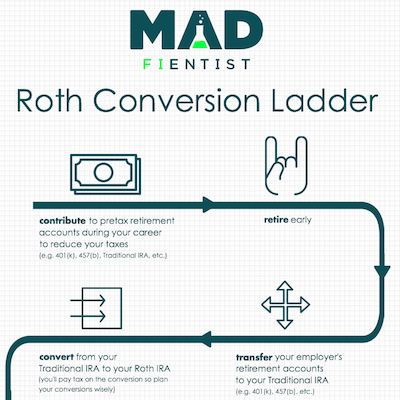
While a Simple IRA is generally pre-tax, you may consider converting some or all of your Simple IRA funds to a Roth IRA. This would involve paying taxes on the converted amount, but future withdrawals from the Roth IRA would be tax-free. This strategy can be beneficial if you anticipate being in a higher tax bracket in retirement. Consult with a tax advisor before making any Roth conversions, as it can have significant tax implications.
Minimize Fees
Pay attention to the fees associated with your Simple IRA, such as administrative fees and investment management fees. High fees can erode your returns over time. Look for low-cost investment options and negotiate fees with your financial institution if possible.
Understand Withdrawal Rules and Penalties
Familiarize yourself with the rules and penalties associated with withdrawing funds from your Simple IRA before retirement age. Generally, withdrawals before age 59 1/2 are subject to a 10% penalty, in addition to regular income taxes. However, there are some exceptions to the penalty, such as for qualified medical expenses or disability. Early withdrawals will significantly impact your ability to retire early, so avoid them if possible.
Plan Your Retirement Budget
Estimate your expenses in retirement and determine how much income you'll need to cover them. This will help you determine how much you need to save in your Simple IRA and other retirement accounts to achieve your early retirement goals. Consider inflation and potential healthcare costs when estimating your expenses.
Seek Professional Advice
Consider consulting with a financial advisor who can help you develop a personalized retirement plan that incorporates your Simple IRA and other financial assets. A financial advisor can provide guidance on investment strategies, tax planning, and withdrawal strategies.
Alternatives to a Simple IRA for Early Retirement
While a Simple IRA can be a useful tool, it's important to consider other retirement savings options as well:
Traditional IRA
A Traditional IRA offers tax-deferred growth and may be a good option if you're not eligible for a Simple IRA or if you prefer more control over your investments.
Roth IRA
A Roth IRA offers tax-free withdrawals in retirement, which can be beneficial if you anticipate being in a higher tax bracket in retirement. However, contributions to a Roth IRA are not tax-deductible.
401(k) Plan
If your employer offers a 401(k) plan, it may be a better option than a Simple IRA, especially if the employer offers a generous matching contribution. 401(k) plans often have higher contribution limits than Simple IRAs.
Taxable Investment Accounts
Taxable investment accounts can provide flexibility and liquidity, as you can withdraw funds at any time without penalty. However, investment earnings are subject to taxes each year, which can reduce your overall returns.
Conclusion
While not included in the original request, careful planning and consistent effort are crucial for successful early retirement. A Simple IRA, when used strategically, can be a valuable component of your retirement savings strategy. By maximizing contributions, choosing the right investments, and understanding the rules and regulations, you can leverage a Simple IRA to accelerate your progress toward early retirement and achieve your financial goals. Remember to consult with a financial advisor to develop a personalized retirement plan that meets your specific needs and circumstances.

0 Comments