
Understanding Identity Theft: What it is and Why it Matters
Identity theft occurs when someone steals your personal information, such as your Social Security number, credit card details, or bank account information, and uses it without your permission. They might use this information to open new accounts, file taxes, get medical treatment, or even commit crimes – all in your name. The consequences of identity theft can be devastating, ranging from damaged credit scores and financial losses to legal troubles and emotional distress. Protecting yourself from identity theft is crucial in today's digital age, where personal information is constantly being collected and shared online.
Recognizing the Signs of Identity Theft
Often, you might not realize you're a victim of identity theft until the damage is done. That's why it's important to be vigilant and recognize the warning signs. Here are some common indicators that your identity may have been compromised:
- Unexplained Credit Card Charges: Review your credit card statements regularly for any transactions you don't recognize.
- Missing Bills or Mail: If you suddenly stop receiving bills or other important mail, it could be a sign that someone has changed your address.
- Denied Credit Applications: Being denied credit unexpectedly could indicate that someone has opened accounts in your name.
- Calls from Debt Collectors: Receiving calls from debt collectors for debts you don't owe is a major red flag.
- Errors on Your Credit Report: Regularly check your credit report for any inaccuracies, such as accounts you didn't open or incorrect personal information.
Safeguarding Your Personal Information: Essential Steps
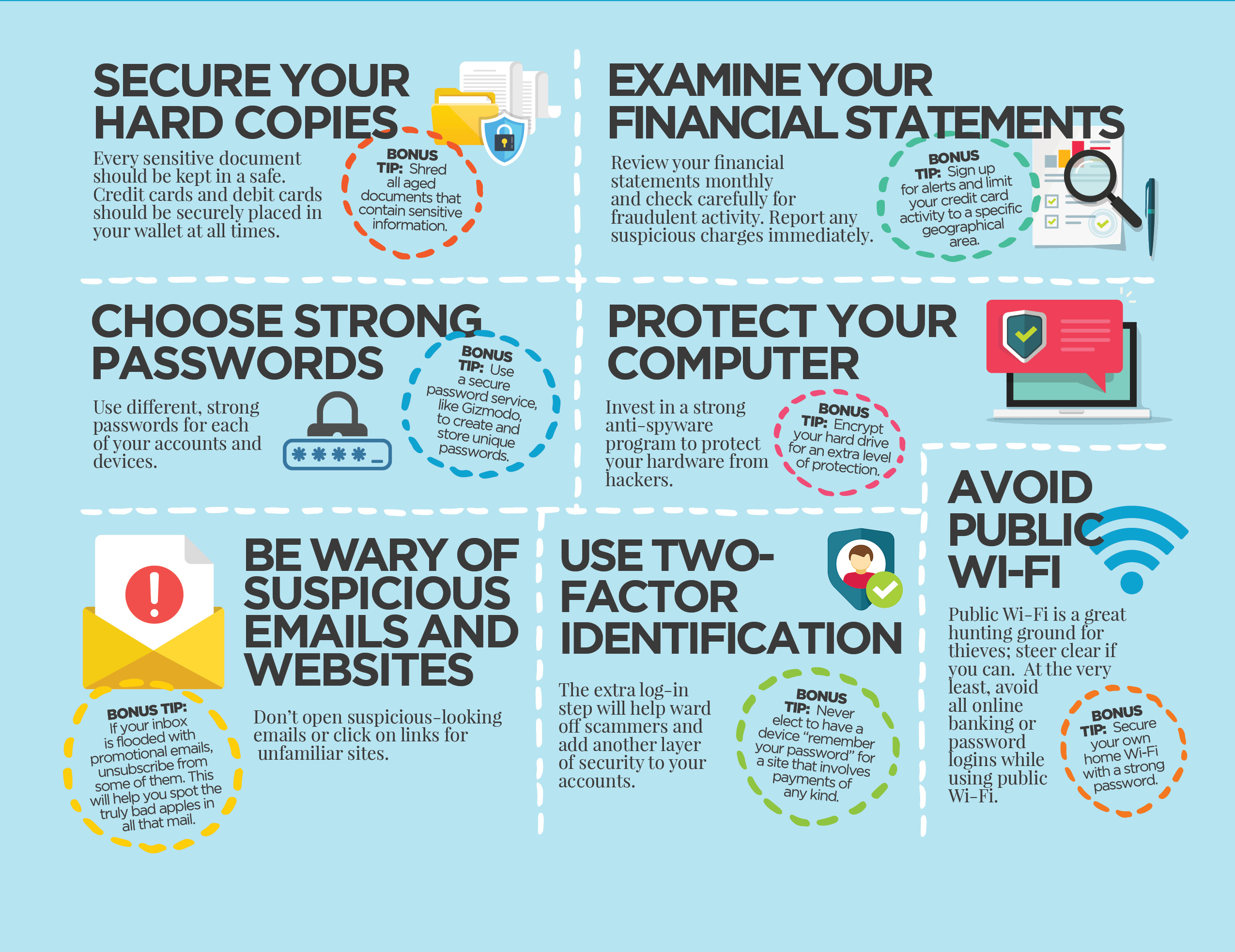
Protecting your personal information requires a multi-faceted approach. Here are some essential steps you can take to minimize your risk of becoming an identity theft victim:
Protecting Your Social Security Number (SSN)
Your Social Security number is a key piece of information for identity thieves. Treat it with utmost care and avoid sharing it unless absolutely necessary. Do not carry your Social Security card in your wallet. Only provide your SSN when required by legitimate institutions, such as your employer or bank, and always ask why it's needed and how it will be protected.
Securing Your Financial Accounts
Financial accounts are prime targets for identity thieves. Take these precautions to protect your bank accounts and credit cards:
- Use Strong Passwords: Create strong, unique passwords for all your online accounts. Avoid using easily guessable passwords like your birthday or pet's name. Use a combination of uppercase and lowercase letters, numbers, and symbols.
- Enable Two-Factor Authentication (2FA): Whenever possible, enable two-factor authentication on your accounts. This adds an extra layer of security by requiring a second verification code in addition to your password.
- Monitor Your Accounts Regularly: Regularly check your bank and credit card statements for any unauthorized transactions. Report any suspicious activity immediately.
- Shred Financial Documents: Before discarding any financial documents, such as bank statements, credit card offers, or tax returns, shred them thoroughly.
Protecting Yourself Online
The internet is a breeding ground for identity theft. Be cautious about the information you share online and take steps to protect your online security:
- Be Wary of Phishing Scams: Phishing scams are emails or text messages that try to trick you into revealing personal information. Be suspicious of any unsolicited emails or messages that ask for your personal details. Never click on links or open attachments from unknown senders.
- Use a Secure Wi-Fi Connection: Avoid using public Wi-Fi networks for sensitive transactions, such as online banking or shopping. These networks are often unsecured and can be easily intercepted by hackers. Use a Virtual Private Network (VPN) to encrypt your internet traffic.
- Keep Your Software Updated: Regularly update your computer's operating system, web browser, and antivirus software. These updates often include security patches that protect against the latest threats.
- Be Careful What You Share on Social Media: Avoid sharing too much personal information on social media. Identity thieves can use this information to answer security questions or impersonate you.
Protecting Your Mail and Physical Documents
Traditional mail is still a target for identity thieves. Take steps to protect your mail and physical documents:
- Use a Secure Mailbox: If possible, use a locking mailbox to prevent thieves from stealing your mail.
- Collect Your Mail Promptly: Don't let your mail pile up in your mailbox. Collect it as soon as possible after it's delivered.
- Shred Unnecessary Documents: Shred any documents that contain personal information, such as credit card offers, bank statements, or medical bills.
- Store Important Documents Securely: Keep important documents, such as your Social Security card, birth certificate, and passport, in a safe and secure location.
What to Do If You Suspect Identity Theft
If you suspect that you've been a victim of identity theft, take immediate action to minimize the damage:
Contact the Credit Bureaus
Contact the three major credit bureaus – Equifax, Experian, and TransUnion – and place a fraud alert on your credit report. This will make it more difficult for identity thieves to open new accounts in your name.
File a Police Report
File a police report with your local law enforcement agency. This can be helpful in documenting the identity theft and can be required by some creditors or institutions.
Contact Your Bank and Credit Card Companies
Contact your bank and credit card companies to report any unauthorized transactions or suspicious activity. They may be able to close your accounts and issue new ones.
File a Complaint with the Federal Trade Commission (FTC)
File a complaint with the Federal Trade Commission (FTC) at IdentityTheft.gov. The FTC can provide you with resources and guidance on how to recover from identity theft.
Change Your Passwords
Change the passwords for all your online accounts, especially those that contain sensitive information, such as your email, bank, and social media accounts.
Staying Vigilant: Ongoing Protection Against Identity Theft
Protecting yourself from identity theft is an ongoing process. Stay vigilant and continue to monitor your credit report, bank accounts, and online activity for any signs of fraud. By taking these steps, you can significantly reduce your risk of becoming a victim of identity theft and protect your financial well-being.

0 Comments