
Why Negotiating a Lower Credit Card Interest Rate Matters
High credit card interest rates can significantly impact your financial well-being. Even if you pay your balance on time each month, a high APR (Annual Percentage Rate) can make it difficult to pay down debt, especially if you're only making minimum payments. Negotiating a lower interest rate can save you hundreds, even thousands, of dollars in the long run and help you become debt-free faster. Understanding how to approach this negotiation is crucial for managing your finances effectively.
Preparing for the Negotiation: Know Your Numbers
Before you pick up the phone or draft an email, it's important to gather some key information. This will strengthen your position and demonstrate to the credit card company that you're a responsible customer.
Check Your Credit Score and Credit Report
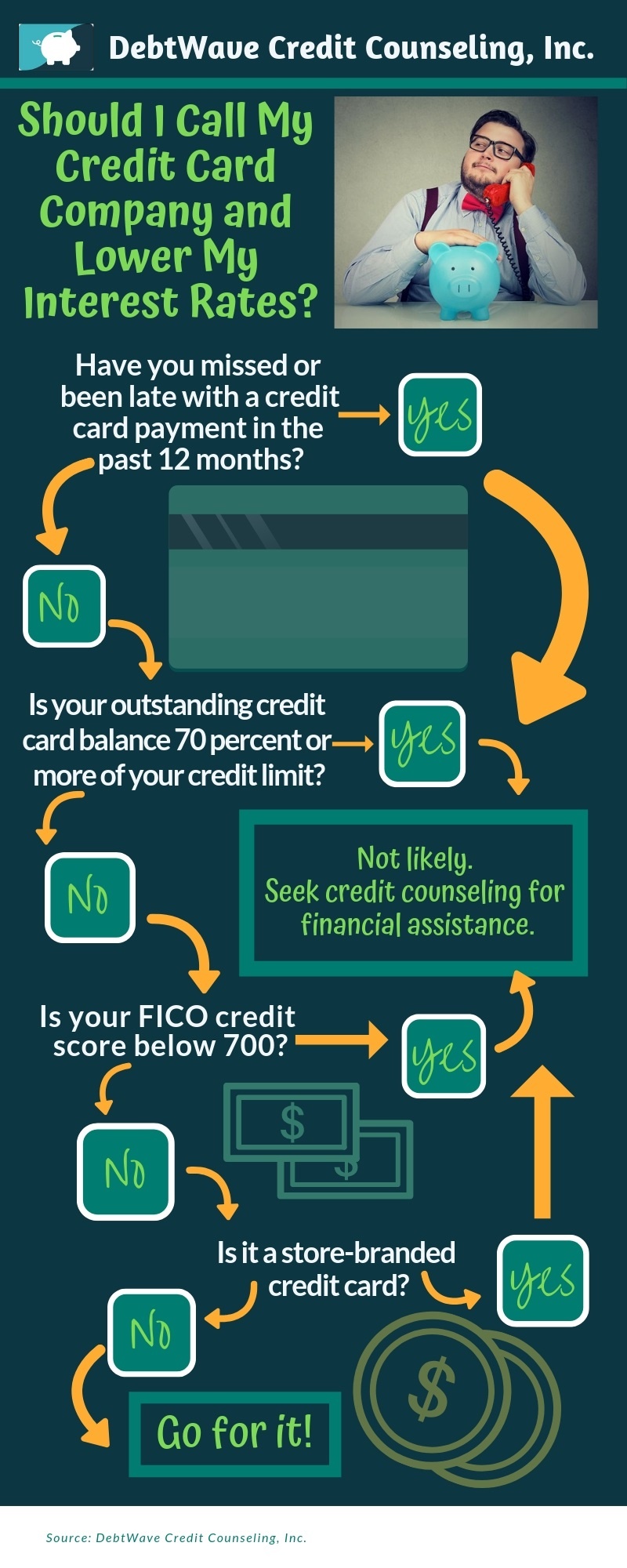
Your credit score is a major factor in determining your creditworthiness. A good to excellent credit score (typically 670 or higher) significantly increases your chances of success. Obtain your credit report from all three major credit bureaus (Equifax, Experian, and TransUnion) and review them carefully for any errors. Disputing and correcting errors can improve your score and give you more leverage.
Assess Your Credit Card Usage and Payment History
Credit card companies value customers who use their cards responsibly and consistently make on-time payments. Review your credit card statements for the past year or two. A history of timely payments and consistent usage, even if you carry a balance, shows that you're a reliable customer. Highlight this positive behavior when you speak with the representative.
Research Average Interest Rates
Knowing the average interest rates for credit cards similar to yours gives you a benchmark for negotiation. Websites like Bankrate, Credit Karma, and NerdWallet provide information on average APRs based on credit score and card type. Having this information readily available demonstrates that you've done your homework and are serious about securing a better rate.
Know Your Current APR
This seems obvious, but double-check your current APR. It’s usually stated on your monthly statement. You need to know what you’re trying to improve!
Strategies for Negotiating a Lower Interest Rate
Now that you're prepared, it's time to contact your credit card company. Here are several effective strategies to use during the negotiation:
Call Your Credit Card Company
The most direct approach is to call the customer service number on the back of your credit card. Be polite and professional, and explain that you're calling to request a lower interest rate. Start by stating your reason for calling and expressing your loyalty as a customer.
Highlight Your Positive Payment History
Emphasize your history of making on-time payments and being a responsible cardholder. Mention how long you've been a customer and how much you value their services. For example, you could say, "I've been a loyal customer for five years and have always made my payments on time. I'm calling to see if it's possible to lower my interest rate."
Mention Competing Offers
If you've received offers from other credit card companies with lower interest rates, use them as leverage. Let the representative know that you're considering switching to a card with a more competitive APR. Be prepared to provide details of the offers, such as the interest rate and any associated fees.
Be Prepared to Transfer Your Balance
Suggesting you're willing to transfer your balance to a different card can be a powerful negotiating tactic. The credit card company doesn't want to lose your business, especially if you carry a balance. Say something like, "I'm considering transferring my balance to a card with a lower APR. I'd prefer to stay with your company, but the interest rate is a significant factor."
Ask for a Temporary Promotional Rate
If a permanent reduction isn't possible, inquire about a temporary promotional rate. Some credit card companies offer introductory APRs for a limited time. Even a temporary reduction can provide some relief and help you pay down your balance faster.
Be Persistent and Polite
Negotiating takes patience. If the first representative is unwilling to help, don't give up. Politely ask to speak to a supervisor or a different representative. Sometimes, a different person may be more willing to consider your request. Remember to remain polite and respectful throughout the conversation, even if you're feeling frustrated.
Document Everything
Keep a record of all your conversations with the credit card company, including the date, time, representative's name, and the details of the discussion. This documentation can be helpful if you need to follow up or escalate the issue. If you reach an agreement, ask for written confirmation of the new interest rate.
What to Do If Your Negotiation Fails
Sometimes, despite your best efforts, the credit card company may be unwilling to lower your interest rate. In this case, consider these alternative options:
Balance Transfer Credit Card
Apply for a balance transfer credit card with a 0% introductory APR. This can give you a period of time to pay down your balance without accruing interest. Be sure to compare fees and interest rates after the introductory period ends.
Debt Consolidation Loan
A debt consolidation loan can combine multiple debts into a single loan with a lower interest rate. This can simplify your payments and potentially save you money. However, be sure to compare interest rates and fees before taking out a loan.
Credit Counseling
If you're struggling to manage your debt, consider seeking help from a non-profit credit counseling agency. They can provide guidance on budgeting, debt management, and negotiating with creditors.
Pay Down Your Balance Aggressively
Even if you can't lower your interest rate, you can still save money by paying down your balance as quickly as possible. Make extra payments whenever you can and try to pay more than the minimum amount due each month.
Maintaining a Good Credit Score After Negotiation
After successfully negotiating a lower interest rate, it's important to maintain a good credit score to ensure you continue to receive favorable terms in the future.
Make On-Time Payments
Continue to make all your payments on time, every time. Payment history is the most important factor in your credit score.
Keep Your Credit Utilization Low
Credit utilization is the amount of credit you're using compared to your total credit limit. Aim to keep your credit utilization below 30%. For example, if you have a credit card with a $1,000 limit, try to keep your balance below $300.
Monitor Your Credit Report Regularly
Continue to monitor your credit report for errors and signs of fraud. You can obtain a free credit report from each of the three major credit bureaus once a year.

0 Comments