
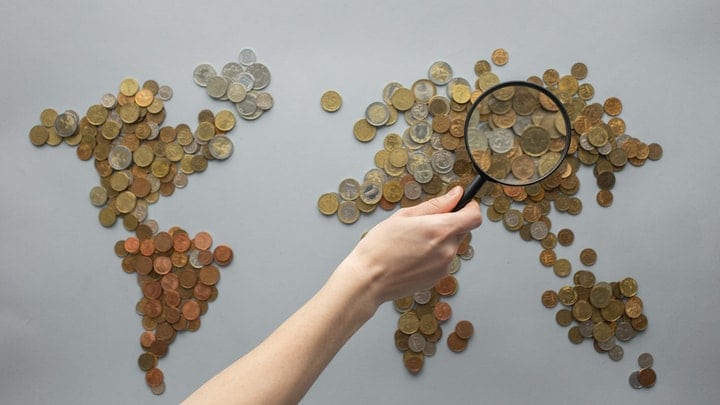
Planning Your Travel Budget: The Foundation for Financial Success
Traveling abroad is an enriching experience, but without careful planning, it can quickly become a financial burden. The key to enjoying your trip without stressing about money is to establish a realistic and detailed travel budget. This is the cornerstone of responsible financial management while exploring new cultures and destinations.
Estimating Your Expenses: A Detailed Breakdown
Before you even book your flights, start by estimating all potential expenses. This includes:
- Flights: Use flight comparison websites to find the best deals. Remember to factor in baggage fees.
- Accommodation: Research different types of accommodation (hostels, hotels, Airbnb) and compare prices.
- Food: Consider the cost of meals. Will you be eating out every day, or will you prepare some of your own food?
- Transportation: Local transportation costs can vary significantly. Research public transport options and their prices. Also factor in airport transfers.
- Activities and Sightseeing: List the activities you want to do and their associated costs. Look for free activities and discounts.
- Visas and Travel Insurance: Don't forget about visa fees and comprehensive travel insurance.
- Miscellaneous Expenses: Allocate a buffer for unexpected expenses, such as souvenirs, laundry, or medical emergencies.
Use a spreadsheet or budgeting app to keep track of your estimated expenses. Be realistic and err on the side of caution when estimating costs.
Setting a Realistic Daily Budget
Once you have a rough estimate of your total trip cost, divide it by the number of days you'll be traveling to determine your daily budget. This daily budget will be your guide for managing your spending while abroad. Try to stick to it as closely as possible.
Choosing the Right Payment Methods: Cash, Cards, and More
Selecting the right payment methods is crucial for convenient and cost-effective transactions while traveling. Each option has its pros and cons, so it's wise to diversify your approach.
The Role of Cash: When and How Much to Carry
While credit and debit cards are widely accepted, carrying some local currency is essential. Cash is useful for:
- Small purchases at local markets or street vendors.
- Tipping in restaurants and hotels.
- Transportation in areas where card payments are not common.
- Avoiding foreign transaction fees on smaller purchases.
However, avoid carrying large amounts of cash, as it can make you a target for theft. Use ATMs to withdraw local currency as needed, but be aware of potential ATM fees. Notify your bank of your travel plans to avoid having your card blocked.
Credit and Debit Cards: Convenience with Caution
Credit and debit cards offer convenience and security, but it's essential to use them wisely.
- Choose cards with no foreign transaction fees: These fees can add up quickly, so opt for cards that waive them.
- Be aware of ATM fees: Some ATMs charge high fees for withdrawals, especially international ones.
- Use your credit card for larger purchases: Credit cards often offer purchase protection and fraud protection.
- Monitor your transactions regularly: Check your online banking statements frequently for any unauthorized transactions.
- Inform your bank of your travel plans: This will prevent your card from being flagged for suspicious activity.
Consider getting a travel credit card that offers travel rewards or points that can be redeemed for future trips.
Travel Money Cards: A Pre-Loaded Option
Travel money cards are prepaid cards that can be loaded with different currencies. They offer a convenient way to manage your spending and lock in exchange rates. However, be aware of potential fees, such as loading fees, unloading fees, and inactivity fees. Compare different travel money card options to find the best deal.
Tracking Your Expenses: Staying on Top of Your Spending
Keeping track of your expenses while traveling is crucial for staying within your budget. It allows you to identify areas where you're overspending and make adjustments as needed.
Using Budgeting Apps: Digital Solutions for Financial Control
Numerous budgeting apps can help you track your expenses while traveling. These apps allow you to:
- Record your expenses in different currencies.
- Categorize your spending.
- Set budget limits.
- Generate reports to analyze your spending habits.
Popular budgeting apps include Mint, YNAB (You Need a Budget), and TravelSpend. Choose an app that suits your needs and preferences.
Maintaining a Simple Spreadsheet: A Low-Tech Alternative
If you prefer a more traditional approach, you can use a simple spreadsheet to track your expenses. Create columns for date, description, category, currency, amount, and exchange rate. This method allows you to have complete control over your data and customize the spreadsheet to your specific needs.
Reviewing Your Spending Regularly: Identifying Trends and Adjustments
Regardless of the method you choose, it's essential to review your spending regularly. This will help you identify trends and make adjustments to your budget as needed. For example, if you're consistently overspending on food, you may need to find cheaper alternatives or cook your own meals more often.
Saving Money While Traveling: Practical Tips and Tricks
There are many ways to save money while traveling abroad without sacrificing your experience. By implementing a few simple strategies, you can stretch your budget further and enjoy your trip even more.
Accommodation Hacks: Finding Affordable Places to Stay
Accommodation is often one of the biggest expenses when traveling. Here are some tips for finding affordable places to stay:
- Consider hostels: Hostels offer budget-friendly accommodation, especially for solo travelers.
- Look for Airbnb deals: Airbnb can be a great option for longer stays or for groups of travelers.
- Travel during the off-season: Accommodation prices are typically lower during the off-season.
- Stay outside the city center: Accommodation prices are often lower in the suburbs or surrounding areas.
- Look for free accommodation options: Consider Couchsurfing or house-sitting.
Food and Drink Savings: Eating Well on a Budget
Food and drinks can also add up quickly. Here are some tips for saving money on food and drinks:
- Cook your own meals: If your accommodation has a kitchen, cook your own meals to save money.
- Eat at local restaurants: Local restaurants are often cheaper than touristy restaurants.
- Take advantage of free breakfasts: If your accommodation offers free breakfast, take advantage of it.
- Pack snacks: Pack snacks to avoid buying expensive snacks on the go.
- Drink tap water: If the tap water is safe to drink, fill up your water bottle to avoid buying bottled water.
Transportation Savings: Getting Around Affordably
Transportation costs can also be significant. Here are some tips for saving money on transportation:
- Use public transport: Public transport is often cheaper than taxis or rental cars.
- Walk or bike: Walking or biking is a great way to explore a city and save money on transportation.
- Consider overnight buses or trains: Overnight buses or trains can save you money on accommodation and transportation.
- Look for transportation passes: Many cities offer transportation passes that can save you money on multiple trips.
- Avoid airport taxis: Airport taxis are often more expensive than other transportation options.
Free Activities and Entertainment: Enjoying the Best Things in Life Without Spending a Fortune
Many cities offer free activities and entertainment options. Here are some ideas:
- Visit free museums and art galleries: Many museums and art galleries offer free admission on certain days or times.
- Explore parks and gardens: Parks and gardens are a great place to relax and enjoy nature.
- Attend free events: Many cities host free events, such as concerts, festivals, and markets.
- Go for a walk or hike: Walking or hiking is a great way to explore a new area and get some exercise.
- People-watch: People-watching is a free and entertaining activity.
Emergency Funds and Backup Plans: Preparing for the Unexpected
Even with careful planning, unexpected events can occur while traveling. It's essential to have an emergency fund and backup plans in place to handle unforeseen circumstances.
Setting Aside an Emergency Fund: A Safety Net for Unexpected Costs
Before you leave for your trip, set aside an emergency fund to cover unexpected costs, such as medical emergencies, lost luggage, or flight cancellations. Aim to save at least 10-20% of your total trip budget for emergencies.
Having Backup Payment Options: Ensuring Access to Funds
In addition to your primary payment methods, have backup payment options in case your cards are lost or stolen. Consider bringing a second credit card or a prepaid debit card. Also, make sure you have access to online banking so you can transfer funds if needed.
Knowing Who to Contact in Case of Emergency: Essential Information at Your Fingertips
Before you leave for your trip, gather important contact information, such as:
- Your bank's customer service number.
- Your insurance provider's contact information.
- The local emergency number (e.g., 911 in the US, 112 in Europe).
- The contact information for your embassy or consulate.
Keep this information readily available, both in your phone and in a physical copy.

0 Comments