
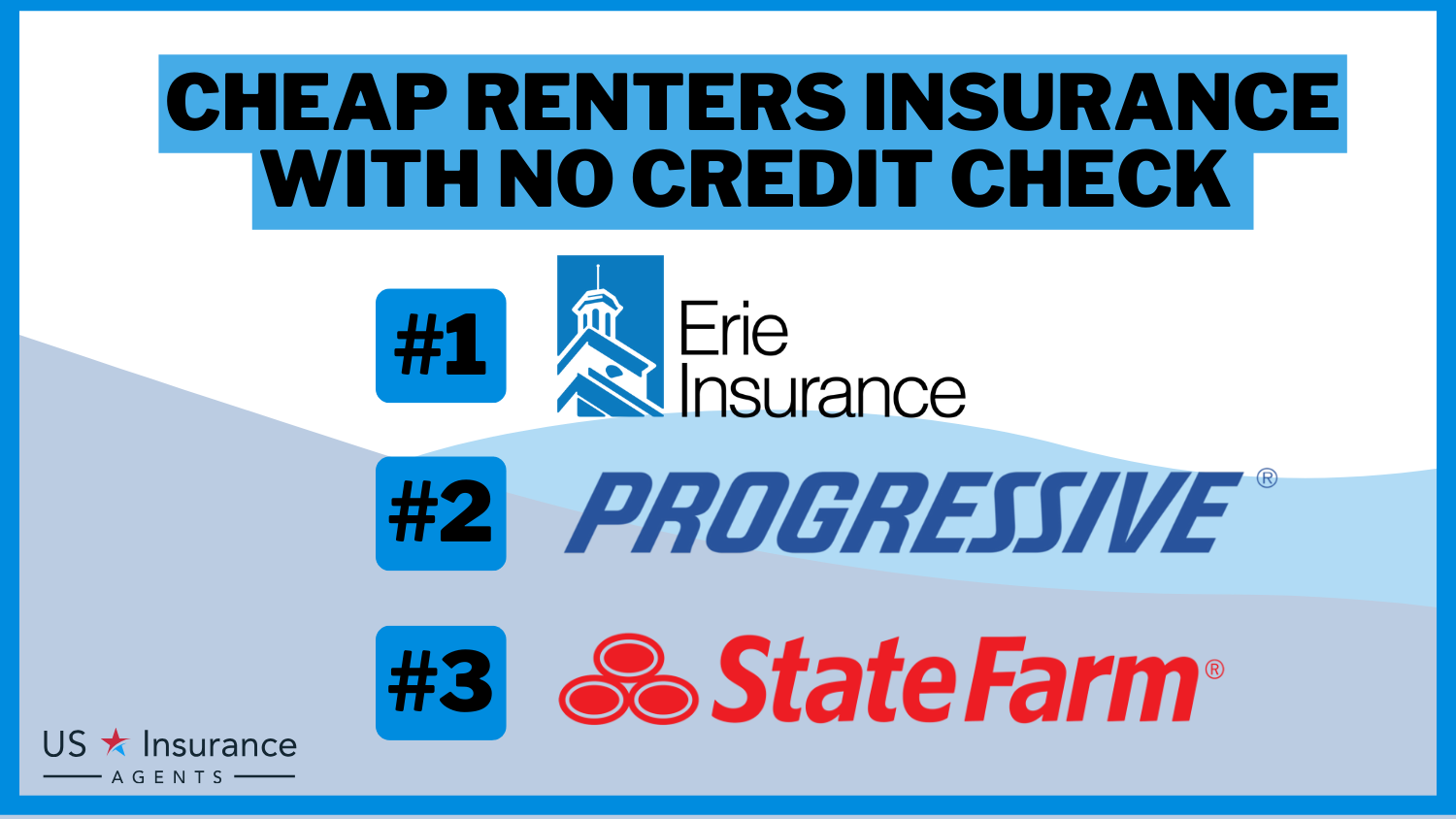
Understanding Renters Insurance and Why You Need It
Renters insurance is a vital safety net for anyone renting an apartment, condo, or house. It protects your personal belongings from covered perils like fire, theft, vandalism, and water damage. While your landlord's insurance covers the building itself, it doesn't extend to your possessions. Imagine a fire destroying everything you own – without renters insurance, you'd be responsible for replacing all of it out of pocket. Renters insurance provides peace of mind and financial security, allowing you to recover quickly in the event of an unforeseen incident.
Beyond protecting your belongings, renters insurance also offers liability coverage. This protects you if someone gets injured in your rental unit and you're found liable. It can cover medical expenses and legal fees, potentially saving you from significant financial hardship.
The Impact of Credit Score on Renters Insurance Premiums
Many insurance companies use credit scores as a factor in determining renters insurance premiums. They argue that credit history is an indicator of responsibility and the likelihood of filing a claim. A lower credit score can often translate to higher premiums, as insurers perceive you as a higher risk.
However, having no credit history is different from having bad credit. While some insurers might still charge slightly higher rates for those with no credit, the impact is generally less severe than having a poor credit score. The good news is that you can still obtain affordable renters insurance even without an established credit history.
Strategies for Finding Cheap Renters Insurance With No Credit
Don't despair if you have no credit history! Here's a detailed guide on how to find cheap renters insurance:
1. Shop Around and Compare Quotes
This is the most crucial step. Don't settle for the first quote you receive. Obtain quotes from multiple insurance companies to compare prices and coverage options. Online comparison tools can be helpful, but also consider contacting independent insurance agents who can provide quotes from various insurers.
2. Consider Bundling Your Insurance Policies
If you have other insurance policies, such as auto insurance, inquire about bundling them with renters insurance. Many insurance companies offer significant discounts when you bundle multiple policies together. This can be a great way to save money, even with no credit history.
3. Increase Your Deductible
Your deductible is the amount you pay out of pocket before your insurance coverage kicks in. Opting for a higher deductible can lower your monthly premiums. However, make sure you can comfortably afford the deductible if you need to file a claim. Carefully weigh the pros and cons before making this decision.
4. Look for Discounts
Many insurance companies offer various discounts that can help you lower your renters insurance premiums. Common discounts include:
- Security System Discount: If your rental unit has a security system, you may be eligible for a discount.
- Smoke Detector Discount: Having working smoke detectors can also qualify you for a discount.
- Student Discount: Some insurers offer discounts to students.
- Senior Citizen Discount: Seniors may also be eligible for discounts.
- Profession-Based Discounts: Some professions, like teachers, might qualify for discounts.
Be sure to ask about all available discounts when obtaining quotes.
5. Improve Your Home Security
Taking steps to improve the security of your rental unit can not only deter theft but also potentially lower your insurance premiums. Consider installing a deadbolt lock, reinforcing windows, and ensuring adequate lighting around your property. Document any security measures you take and inform your insurance company.
6. Focus on Coverage Needs, Not Just Price
While finding cheap renters insurance is important, don't sacrifice adequate coverage for the lowest possible price. Make sure the policy covers your personal belongings adequately and provides sufficient liability protection. Create a detailed inventory of your possessions to determine the appropriate coverage amount. Consider the replacement cost value (RCV) versus actual cash value (ACV). RCV pays for the cost of replacing your items with new ones, while ACV factors in depreciation.
7. Consider a Smaller, Local Insurance Company
Sometimes, smaller, local insurance companies are more flexible and may offer better rates to individuals with no credit history compared to larger national companies. Research local insurers in your area and get quotes from them.
8. Explore Government Assistance Programs
In some areas, government assistance programs may be available to help low-income individuals afford renters insurance. Research local programs and see if you qualify.
9. Pay Your Premiums On Time
While this doesn't directly help you *get* cheaper insurance initially, maintaining a good payment history with your insurer can potentially lead to lower rates upon renewal. Demonstrating responsibility and reliability is always beneficial.
Other Factors That Affect Renters Insurance Costs
Besides credit score, several other factors can influence your renters insurance premiums:
- Location: The location of your rental unit can affect the cost of insurance. Areas with higher crime rates or a greater risk of natural disasters typically have higher premiums.
- Coverage Amount: The amount of coverage you need for your personal belongings will impact the price.
- Deductible: As mentioned earlier, a higher deductible can lower your premiums.
- Claim History: If you have a history of filing insurance claims, you may pay higher premiums.
- Type of Coverage: Different types of coverage, such as replacement cost value versus actual cash value, will affect the cost.
- Pets: Owning certain breeds of dogs may increase your insurance premiums due to liability concerns.
How to Build Credit (and Potentially Lower Future Premiums)
While these strategies can help you get cheap renters insurance with no credit *now*, building a good credit history over time can lead to even lower premiums in the future. Here are some ways to establish credit:
- Secured Credit Card: A secured credit card requires you to deposit money as collateral. It's a good way to start building credit because it's less risky for the lender.
- Credit-Builder Loan: A credit-builder loan is a small loan that you pay back in installments. The lender reports your payments to the credit bureaus, helping you build credit.
- Become an Authorized User: Ask a trusted friend or family member with good credit to add you as an authorized user on their credit card. This can help you build credit as long as they use the card responsibly.
- Report Rent Payments: Some companies allow you to report your rent payments to the credit bureaus, which can help you build credit.
Remember that building credit takes time and consistency. Make sure to pay your bills on time and keep your credit utilization low (the amount of credit you're using compared to your credit limit).
Finding affordable renters insurance with no credit is definitely achievable. By following these strategies and taking the time to shop around, you can protect your belongings and yourself without breaking the bank. Good luck!

0 Comments